Rocking Horse Farm

Equestrian Facility in Plympton, Massachusetts
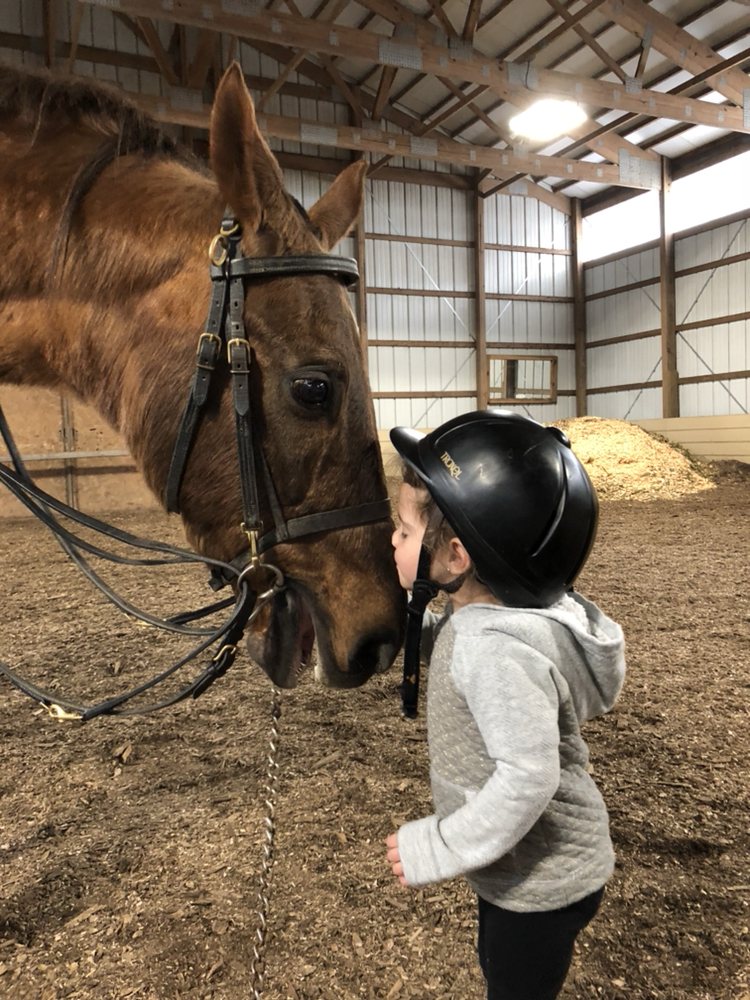
5(1 reviews)
(617) 947-105599 Palmer Rd, Plympton, MA 02367View on Yelp
Rocking Horse Farm - equestrian in Plympton, MA

Customer Reviews

5
out of 5
1 reviews

Based on Yelp ratings

Read reviews on Yelp

About Rocking Horse Farm

Rocking Horse Farm is located in Plympton, Massachusetts, a small town in Plymouth County set in the rural landscape of southeastern Massachusetts. Plympton sits between Kingston and Bridgewater, in an area where farmland and wooded terrain still define the character of the community. The farm carries a perfect 5.0 rating from its initial reviewer, a strong opening signal for riders in the area. With both horseback riding and boarding on offer, Rocking Horse Farm serves two distinct audiences: riders looking for instruction and horse owners searching for a trusted place to keep their animals.

Services

Horseback Riding
Horse Boarding

Services & Process

Rocking Horse Farm offers horseback riding and horse boarding, two services that together create a full-service equestrian environment. Riding instruction likely covers both beginners and intermediate students, with lessons structured to build skill progressively through proper foundational work. Horse boarding provides stall care, daily feeding, turnout, and routine health monitoring for owner-horses, giving local equestrians a nearby facility rather than trucking their animals across the county. Plympton's open land and proximity to Plymouth County conservation areas likely means trail access is part of what makes this farm appealing beyond the arena.

Service Area

Rocking Horse Farm serves Plympton and surrounding Plymouth County communities including Kingston, Halifax, Middleborough, Carver, and Pembroke. The South Shore region has a dedicated equestrian community, and riders from as far as Duxbury and Bridgewater find facilities like this worth the drive for quality boarding and instruction.

Frequently Asked Questions

What does full horse boarding include at a farm like Rocking Horse Farm?
Full board typically covers daily hay and grain feedings, stall cleaning, turnout into a paddock or pasture, and general observation of your horse's health. Some facilities include blanketing in colder months and basic grooming, while others charge extra, so it's worth confirming exactly what's included when you inquire.
Is Plympton a good area for trail riding?
Plymouth County has extensive wooded terrain and several conservation areas that support trail riding. Plympton's rural landscape, with its mix of farmland and forest, makes it one of the more naturally suited towns in southeastern Massachusetts for riding outside the arena.
How do I find out if my horse will be comfortable at a new boarding facility?
Visiting in person before committing is essential. Pay attention to how the current horses look and behave, how clean the stalls are, and whether the staff seems attentive and knowledgeable. A short trial period or a chance to bring your horse for a visit can also help both you and your animal adjust before a full commitment.
What's the difference between a lesson horse and a personal horse for riding instruction?
School horses are trained specifically to tolerate and support beginner and intermediate riders, with steady temperaments that allow students to focus on learning. Riding your own horse is appropriate once you have enough skill to communicate effectively and handle unexpected behavior without a lesson horse's built-in patience.
How does horseback riding benefit kids in a rural community like Plympton?
Kids who ride regularly develop responsibility through horse care routines, physical confidence through time in the saddle, and an emotional connection to animals that's hard to replicate in other activities. In a rural community like Plympton, where agricultural heritage is part of the local identity, riding also connects young people to that broader tradition.
What should horse owners look for in a boarding facility's emergency plan?
You want to know that the facility has a relationship with a local equine veterinarian, that staff are present or reachable at all hours, and that there's a clear protocol for colic, injury, or severe weather. Ask specifically how they handled past emergencies, since the answer will tell you a lot about how seriously they take horse welfare.

Is this your business?

Claim your listing to update your info and connect with customers.

Claim This Listing

More Equestrian Facilities