Windmill Lake Farm

Equestrian Facility in Rochester, Indiana
(574) 527-07651349 Monticello Rd, Rochester, IN 46975View on Yelp
Windmill Lake Farm - equestrian in Rochester, IN

About Windmill Lake Farm

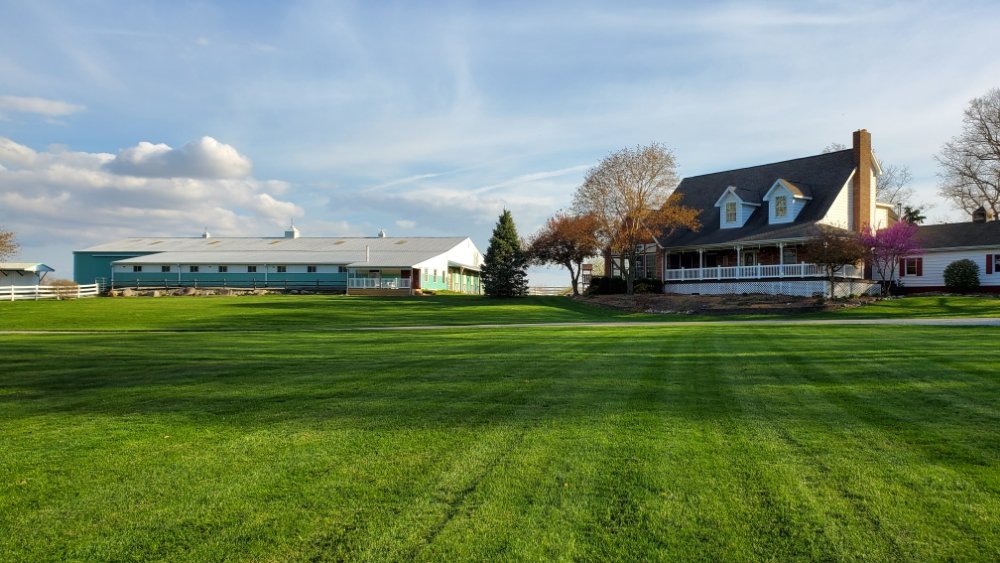
Windmill Lake Farm is located in Rochester, Indiana, the seat of Fulton County and a community surrounded by glacial lakes and flat farmland typical of north-central Indiana. Horse boarding in this part of the state benefits from open pasture space and a quieter rural environment that keeps horses calm and comfortable. Rochester sits along US-31 with reasonable access from communities across Fulton and surrounding counties, making this facility a practical option for area horse owners. The region's farming heritage means equine care is taken seriously here.

Services

Horse Boarding

Services & Process

Windmill Lake Farm focuses on horse boarding, providing horse owners with a dependable place to keep their animals with consistent daily care. Boarding services generally include morning and evening feeding, stall or pasture management, and routine health observation to catch problems early. Water supply is maintained throughout the day, which is critical in both Indiana's humid summers and cold winters when horses need constant hydration. Owners who can't visit daily trust boarding facilities like this one to be their eyes and ears, so clear communication between staff and owners is a core part of how the service works.

Service Area

Windmill Lake Farm serves horse owners in Rochester and across Fulton County, with clients also coming from nearby Pulaski, Cass, and Miami counties. The facility's position along the US-31 corridor makes it accessible from Logansport, Winamac, and Peru without requiring a long drive on rural back roads. Owners across north-central Indiana find Rochester a central and convenient boarding location.

Frequently Asked Questions

How do I know if a boarding facility is keeping my horse healthy?
Regular visits are your best tool, but a good boarding facility also communicates proactively when something changes with your horse. Ask upfront how they handle situations like a horse going off feed, showing lameness, or needing veterinary attention. Facilities with clear protocols and a habit of calling owners before small issues become big ones are the ones worth trusting.
What's the difference between full board and pasture board?
Full board typically means your horse lives in a stall with daily turnout, regular stall cleaning, and feeding managed by the facility. Pasture board means your horse lives outside in a shared or private pasture, usually with a run-in shed for weather protection, and is fed in the field. Pasture board costs less and works well for healthy, social horses that do better outdoors.
What happens if my horse gets sick or injured while I'm away?
A responsible boarding facility will contact you immediately and, depending on the severity, may call your designated veterinarian or an emergency vet if you're unreachable. Before moving your horse in, make sure the facility has your primary vet's contact information and written authorization to seek emergency care on your behalf if needed.
Can I bring my own farrier and veterinarian to the boarding facility?
Most boarding operations in Indiana allow and even prefer that owners maintain their own farrier and vet relationships rather than relying on whoever the farm uses by default. Just confirm the facility allows outside professionals on the property and coordinate scheduling in advance so there are no surprises on the day of an appointment.
How much does horse boarding typically cost in the Rochester, Indiana area?
Boarding costs in rural north-central Indiana vary based on the type of care and facilities offered. Basic pasture board can run from $150 to $250 per month, while full stall board with daily cleaning and feeding typically falls in the $300 to $500 range. Facilities with additional amenities like an indoor arena or trail access may charge more.
What should I look for when touring a boarding facility for the first time?
Pay attention to the overall cleanliness of the stalls and pastures, the condition of the fencing, and whether the horses on the property look healthy, well-fed, and calm. A crowded pasture with broken fencing or horses that look dull and lethargic are red flags. Also watch how the staff interacts with the horses during your visit.

Is this your business?

Claim your listing to update your info and connect with customers.

Claim This Listing

More Equestrian Facilities