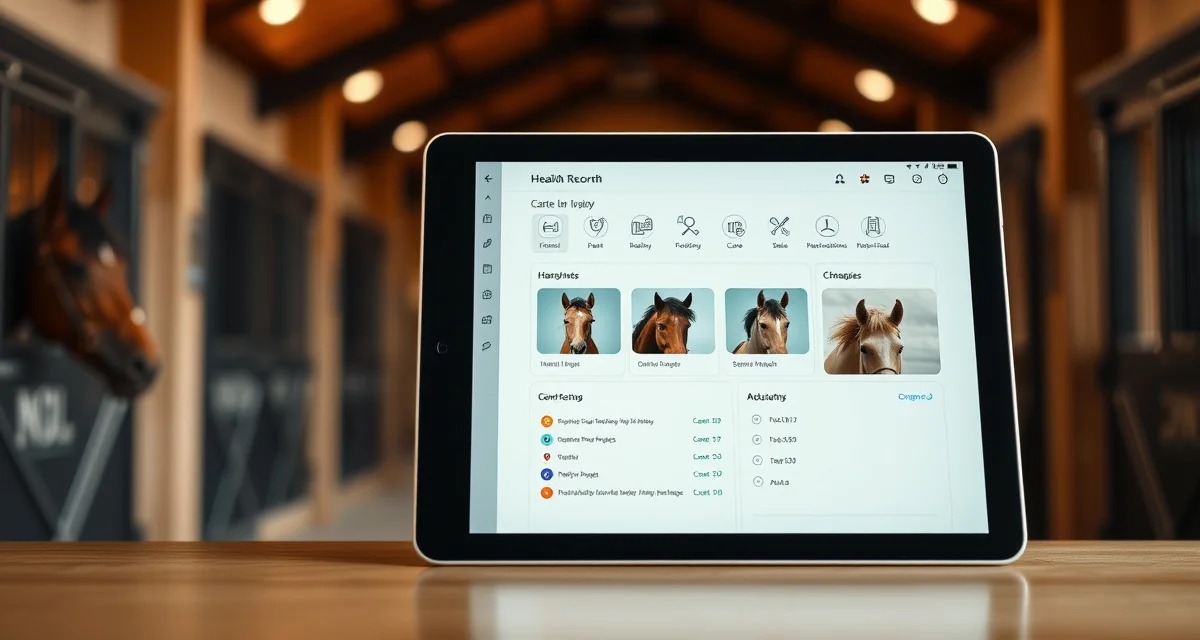
Building Comprehensive Horse Profiles
A comprehensive horse profile is the complete record of an individual animal in your care. It pulls together identity information, health records, care instructions, billing details, and owner information into a single reference that answers almost any question anyone might ask about that horse.
Why Comprehensive Profiles Matter
When your vet calls about a horse, you should be able to answer questions about its health history, current medications, and recent observations without putting the call on hold to search through notebooks.
When an owner asks about their horse's care, you should be able to describe recent observations, upcoming preventive care, and current management without guessing.
When a new staff member is assigned to care for a horse, they should be able to read that horse's profile and understand exactly how to care for it and what to watch for.
A comprehensive profile makes all of these interactions faster, more professional, and more accurate.
Profile Sections
Identity information. Name, breed, color, markings, sex, age or date of birth. Registration numbers and microchip or freeze brand number. Arrival date at your facility.
Ownership. Current owner name, contact information, billing arrangements, and any authorized agents such as trainers or family members who are permitted to make care decisions.
Physical baseline. Body condition score at arrival, photos from multiple angles, any physical features or conditions noted at intake. This is the baseline record that everything else is measured against.
Care instructions. Feed program in detail: what, how much, how often. Supplements, with doses and timing. Turnout group and schedule. Blanketing thresholds. Any special care requirements.
Health summary. Current health status, any active conditions, ongoing medications, and any conditions that affect how the horse is handled.
Preventive care record. Vaccine history with dates, coggins status, deworming log, dental history.
Veterinary visit history. All farm calls and emergency visits.
Medication log. Complete record of all medications administered during the horse's time at your facility.
Farrier history. Visit dates, services performed, hoof notes.
Health observations and incident log. The running record of daily observations and significant health events.
Billing notes. Any special billing arrangements or account notes.
Photos and Visual Documentation
Photos are an underused element of horse profiles. At intake, photos from both sides, from the front, and from behind document the horse's condition and any existing markings or physical features that identify it.
Ongoing photos serve a different purpose. A photo of a healed wound helps you explain to an owner what a scar that developed from an injury looks like now. A photo documenting a horse's condition at quarterly BCS checks makes the record more concrete than a numerical score alone.
Store photos within the horse's profile in your management system so they are linked to the record and accessible alongside other documentation.
Keeping Profiles Current
A profile is only useful if it is current. The care instructions from a horse's arrival date are not reliable six months later if the owner has made changes or the horse's health needs have evolved.
Build a habit of updating profiles on the day that changes occur. Feed change requested today: update the care instructions today. Farrier visit completed today: log it today. Medication prescribed today: enter it today.
BarnBeacon makes this practical by allowing updates from a mobile device at any time, which means records are updated in the moment rather than at the end of a busy day when details have already been forgotten.
Profile Access for Different Users
Different users need different levels of access to a horse's profile.
Staff need access to care instructions, current health status and active flags, and medication schedules. They do not necessarily need to see billing details.
Owners should have access to health records, preventive care status, and care instructions for their horse. They should not have access to other horses' profiles.
Your farm vet benefits from access to the full health record.
The billing information is internal to your operation.
Configure access levels in your management system so each user sees what they need without exposing information that should remain private. See horse owner portal for more on the owner-facing view of horse profiles.
FAQ
What is Building Comprehensive Horse Profiles?
A comprehensive horse profile is a centralized record for each horse in your care that consolidates identity information, health history, medications, care instructions, owner contact details, and billing arrangements into one accessible reference. Rather than maintaining scattered notebooks or separate systems, a complete profile gives barn managers, staff, and veterinarians a single source of truth for every question about an individual animal.
How much does Building Comprehensive Horse Profiles cost?
Building comprehensive horse profiles is a management practice, not a purchasable product with a fixed price. The cost depends on the barn management software you choose to maintain those profiles. Many platforms offer tiered pricing based on the number of horses or users. Some tools charge monthly per horse, while others offer flat-rate plans. The investment is typically offset quickly by time saved and errors avoided.
How does Building Comprehensive Horse Profiles work?
Building a comprehensive horse profile starts with entering core identity data — name, breed, age, markings, and registration numbers — then layering in health records, current medications, feeding and care instructions, and owner contact details. As the horse remains in your care, staff add observations, vet visits, farrier appointments, and billing notes. The profile becomes a living record that grows more useful over time with consistent updates.
What are the benefits of Building Comprehensive Horse Profiles?
Comprehensive horse profiles reduce errors, speed up communication, and improve the quality of care. Staff can care for any horse correctly without guessing or asking. Vets get accurate histories immediately. Owners receive confident, detailed updates. Billing disputes are easier to resolve with documented records. New staff onboard faster because the profile tells them exactly what each horse needs and what to watch for.
Who needs Building Comprehensive Horse Profiles?
Any facility housing horses for multiple owners or managing several animals benefits from comprehensive profiles. Boarding barns, training facilities, equine rescues, breeding operations, and veterinary practices all handle horses with complex individual needs and multiple stakeholders. Even small private barns with just a few horses benefit from organized records during emergencies, ownership changes, or when a regular caretaker is unavailable.
How long does Building Comprehensive Horse Profiles take?
The initial setup of a horse profile typically takes 20 to 45 minutes per horse, depending on how much historical information is available and how detailed the health and care sections are. After that, ongoing maintenance is incremental — logging a vet visit, updating a medication, or adding an observation takes just a few minutes. The upfront time investment pays off quickly through faster daily operations.
What should I look for when choosing Building Comprehensive Horse Profiles?
Look for a system that makes profiles easy to update in real time, ideally from a mobile device at the barn. The profile should link health records, owner contacts, and billing in one view rather than requiring you to navigate separate modules. Strong search and filtering, audit trails showing who updated what and when, and the ability to share relevant sections with vets or owners are all valuable features.
Is Building Comprehensive Horse Profiles worth it?
Yes. The time saved answering owner questions, briefing vets, and onboarding staff adds up quickly across even a modest-sized barn. More importantly, accurate profiles reduce the risk of medication errors, missed care tasks, and miscommunication during emergencies. For facilities managing horses on behalf of paying clients, professional record-keeping also builds trust and reduces liability. The effort to build good profiles is modest compared to the ongoing value they deliver.