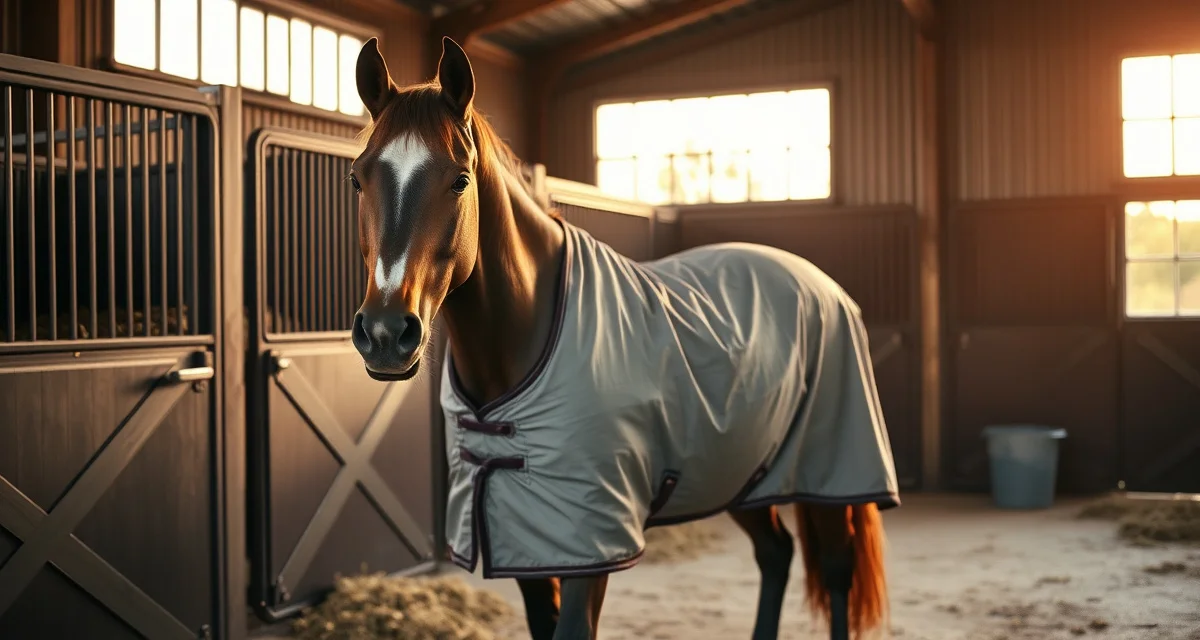
Blanketing Decision Tool for Horse Barn Managers
Incorrect blanketing causes 18% of skin conditions in stabled horses. Too heavy a blanket and a horse sweats, creating the damp environment that breeds rain rot and fungal infections. Too light and an older or clipped horse loses body condition fighting the cold.
TL;DR
- Blanketing decisions should be based on documented protocols tied to temperature thresholds, not individual staff judgment.
- A written blanket chart per horse prevents errors when multiple staff members cover different shifts.
- Removing blankets in warming weather is as important as applying them in cold weather to prevent overheating.
- Health checks during blanket changes are an opportunity to spot early signs of weight loss, skin issues, or injury.
- Digital care logs with timestamped entries create accountability and catch missed blanket changes before they become problems.
- BarnBeacon's staff task tools let managers set and track blanketing protocols for every horse on the property.
This blanketing decision tool for horse barn managers removes the guesswork. Input the variables below and get a clear blanket weight recommendation for each horse in your care.
Why Blanketing Decisions Go Wrong
Most barn managers work from a single rule: blanket when it drops below 40°F. That rule ignores clip level, age, body condition score, shelter access, and wind chill. A freshly clipped sport horse and a healthy unclipped draft horse standing in the same paddock have completely different thermoregulation needs.
Multiply that complexity across 20, 50, or 100 horses and the margin for error grows fast. Staff turnover makes it worse. A new groom who doesn't know that Paddock 4 holds two senior horses and a trace-clipped mare is a liability on a cold night.
How to Use This Tool
Step 1: Enter the Current or Forecasted Temperature
Use the overnight low, not the daytime high. Wind chill matters more than ambient temperature for horses in open-run shelters. If wind chill drops the effective temperature 10°F below the thermometer reading, calculate against the wind chill figure.
Step 2: Select the Horse's Clip Level
Choose from: unclipped, trace clip, hunter clip, or full clip. A full-clipped horse loses its primary insulation layer and needs a blanket at temperatures that an unclipped horse handles without any cover.
Step 3: Input Age and Health Status
Horses over 20 years old and horses with Cushing's disease (PPID) or significant weight loss have compromised thermoregulation. Flag these horses separately. They typically need one blanket weight heavier than the standard recommendation for their clip level.
Step 4: Note Shelter Access
A horse with access to a closed stall retains more body heat than one in a three-sided run-in. Adjust recommendations accordingly. Horses without shelter access in wet conditions need waterproof outer layers regardless of temperature.
Step 5: Read the Recommended Blanket Weight
The tool outputs one of four recommendations:
- No blanket (unclipped, healthy adult, above 50°F with shelter)
- Lightweight sheet or liner (100-150g fill, temperatures 40-50°F)
- Medium-weight blanket (200-300g fill, temperatures 20-40°F)
- Heavyweight blanket (400g+ fill, temperatures below 20°F or clipped horses below 40°F)
For a deeper breakdown of fill weights and when to layer, see our complete horse blanketing guide.
Blanketing Reference Chart
| Temp (°F) | Unclipped Adult | Trace Clip | Full Clip | Senior / PPID |
|-----------|----------------|------------|-----------|---------------|
| 50°F+ | No blanket | Sheet | Lightweight | Lightweight |
| 40-50°F | No blanket | Lightweight | Medium | Medium |
| 30-40°F | Sheet | Medium | Heavyweight | Heavyweight |
| 20-30°F | Lightweight | Heavyweight | Heavyweight + layer | Heavyweight + layer |
| Below 20°F | Medium | Heavyweight + layer | Heavyweight + layer | Consult vet |
Wind, rain, and individual body condition can shift any of these recommendations by one weight category. When in doubt, check the horse's chest and shoulders for sweat or chill rather than relying solely on temperature.
Managing Blanketing Across a Large Barn
A reference chart works for a single horse. It breaks down fast when you're managing 50 horses with different clip levels, turnout schedules, and health histories.
The practical solution is per-horse blanketing profiles stored in your barn management software. Each horse record should include clip status, age flag, shelter assignment, and the blanket weights currently in rotation. Your barn daily checklist should pull from those profiles so staff know exactly what goes on each horse before turnout.
What most tools lack is the connection between the weather forecast and those individual profiles. A barn manager still has to check the forecast, mentally apply it to each horse's profile, and communicate the right instructions to staff before the morning shift. That process fails when someone is sick, distracted, or new.
Automated Blanketing Alerts with BarnBeacon
BarnBeacon connects your local weather forecast directly to each horse's profile. When the overnight low is forecast to drop below the threshold you set for a specific horse, BarnBeacon sends an alert to the assigned staff member with the recommended blanket weight for that animal.
A full-clipped mare can have a different alert threshold than the unclipped gelding in the next stall. Senior horses can be flagged for earlier alerts. Staff receive a push notification or SMS before their shift starts, not after they've already turned horses out.
No other barn management platform currently offers temperature-triggered blanketing alerts tied to individual horse clip and age profiles. Most tools require a manager to manually generate a blanketing list each day. BarnBeacon generates it automatically based on the forecast.
This matters most during shoulder seasons, when temperatures swing 30°F between afternoon and overnight. Those are the conditions that produce the most blanketing errors and the skin conditions that follow.
What temperature does a horse need a blanket?
There is no single answer because clip level changes everything. A healthy, unclipped adult horse in good body condition can typically handle temperatures down to 20-30°F without a blanket, relying on its natural coat. A fully clipped horse may need a medium-weight blanket at 40°F. Always factor in wind chill, rain exposure, and the individual horse's age and health status.
How do I manage blanketing preferences for 50+ horses?
Store a blanketing profile for each horse in your barn management software, including clip level, age flag, shelter assignment, and current blanket inventory. Build a daily blanketing checklist that pulls from those profiles so any staff member can execute correctly without relying on memory. Reviewing and updating profiles at the start of each season prevents outdated information from causing errors.
Can barn software send automated blanketing alerts to staff?
Most barn management software cannot. Standard platforms let you store horse records but require a manager to manually check the forecast and communicate blanketing instructions each day. BarnBeacon is built specifically to close that gap, sending automatic alerts to staff based on the local forecast and each horse's individual profile, so the right blanket goes on the right horse without a manager having to intervene every cold night.
How do I create a blanketing protocol that works across multiple staff members?
An effective blanket protocol specifies the temperature thresholds for each blanket weight, documents each horse's individual preferences or sensitivities, and is accessible from every staff member's phone. Protocols that live only in the barn manager's head or on a single binder in the office fail during shift coverage. A digital care log where the previous shift documents what each horse is wearing gives the incoming staff an immediate status check without having to walk every stall before making decisions.
What health issues can improper blanketing cause?
Over-blanketing in mild weather is a common cause of overheating, which can lead to excessive sweating, dehydration, and in extreme cases heat stress. Under-blanketing horses that are clipped or have a low body condition score in cold weather increases their caloric demand and can contribute to weight loss. Blankets that are too heavy after a period of exercise trap heat when the horse is cooling down. Regular blanket checks during weather transitions, not just at temperature extremes, prevent most of these issues.
Should I charge extra for blanketing services at my boarding facility?
Blanketing is a service that many facilities include in full-care board pricing and others bill separately, particularly for horses with extensive blanket wardrobes requiring multiple daily changes. If you bill for blanketing separately, the charge and what it covers should be documented in the boarding contract. Logging each blanket change in a care system creates a record that supports the billing and helps resolve any disputes about whether the service was provided.
FAQ
What is Blanketing Decision Tool for Horse Barn Managers?
BarnBeacon's Blanketing Decision Tool is a structured protocol system that helps horse barn managers make consistent, documented blanketing decisions for every horse in their care. Rather than relying on individual staff judgment or a single temperature rule, it factors in variables like coat type, age, body condition, and weather to generate a clear blanket weight recommendation. It removes guesswork and ensures all staff follow the same standards across shifts.
How much does Blanketing Decision Tool for Horse Barn Managers cost?
BarnBeacon's Blanketing Decision Tool is available as part of the BarnBeacon barn management platform. Pricing depends on the plan you select, but the blanketing and staff task tools are included within the core subscription. There is no separate charge for the tool itself. Visit BarnBeacon.com for current pricing tiers and to find the plan that fits your barn's size and needs.
How does Blanketing Decision Tool for Horse Barn Managers work?
You input key variables for each horse — including temperature thresholds, clip level, age, and body condition — and the tool generates a blanket weight recommendation. Those recommendations are tied to written protocols that staff can follow without making judgment calls. BarnBeacon's task tracking layer lets managers assign and log blanket changes with timestamps, so nothing gets missed when shifts change or multiple staff are on property.
What are the benefits of Blanketing Decision Tool for Horse Barn Managers?
The primary benefit is consistency. Incorrect blanketing contributes to 18% of skin conditions in stabled horses, and most errors happen when staff apply different standards. A documented, per-horse protocol eliminates that variation. Secondary benefits include early health detection during blanket changes, accountability through timestamped logs, and reduced risk of overheating in warming weather — a commonly overlooked cause of rain rot and fungal infections.
Who needs Blanketing Decision Tool for Horse Barn Managers?
Any barn with multiple staff members or horses with varying needs — clipped horses, seniors, horses in hard work, or those prone to weight loss — will benefit most. If your barn runs on informal rules or relies on one experienced person making all blanket calls, you're exposed to gaps during shift changes or absences. The tool is especially valuable for boarding barns where owners have different expectations for each horse.
How long does Blanketing Decision Tool for Horse Barn Managers take?
Setting up the tool takes under an hour. You input each horse's individual variables once, and the system generates their protocol. Day-to-day use takes seconds per horse — staff check the recommendation, log the change, and move on. The time investment is minimal compared to the time spent managing skin conditions, weight loss, or owner complaints caused by inconsistent blanketing decisions.
What should I look for when choosing Blanketing Decision Tool for Horse Barn Managers?
Look for a tool that accounts for individual horse variables, not just ambient temperature. A good system handles clip level, age, body condition, and weather changes — not a single blanket threshold for the whole barn. You also want built-in logging so managers can verify changes were made. BarnBeacon combines the decision framework with staff task assignment and timestamped records, keeping the protocol and accountability in one place.
Is Blanketing Decision Tool for Horse Barn Managers worth it?
Yes, if you manage more than a handful of horses or run a multi-staff operation. The cost of one avoidable skin condition — vet fees, treatment time, owner friction — typically exceeds a full year of software access. Beyond the financial case, standardized blanketing protocols protect horses from both overcooling and overheating, and the health checks built into blanket changes give staff a daily touchpoint to catch early signs of illness or injury.
Sources
- University of Minnesota Extension Horse Program, equine thermoregulation and blanketing guidance
- American Association of Equine Practitioners (AAEP), horse health and preventive care standards
- Rutgers Equine Science Center, equine care and management resources
- Kentucky Equine Research, nutrition and environmental management for horses
Get Started with BarnBeacon
BarnBeacon's staff task tools let you set blanket protocols per horse, track completion with timestamps, and give every staff member on any shift the same clear instructions. Start a free trial to see how it works with your actual barn team and horse population.