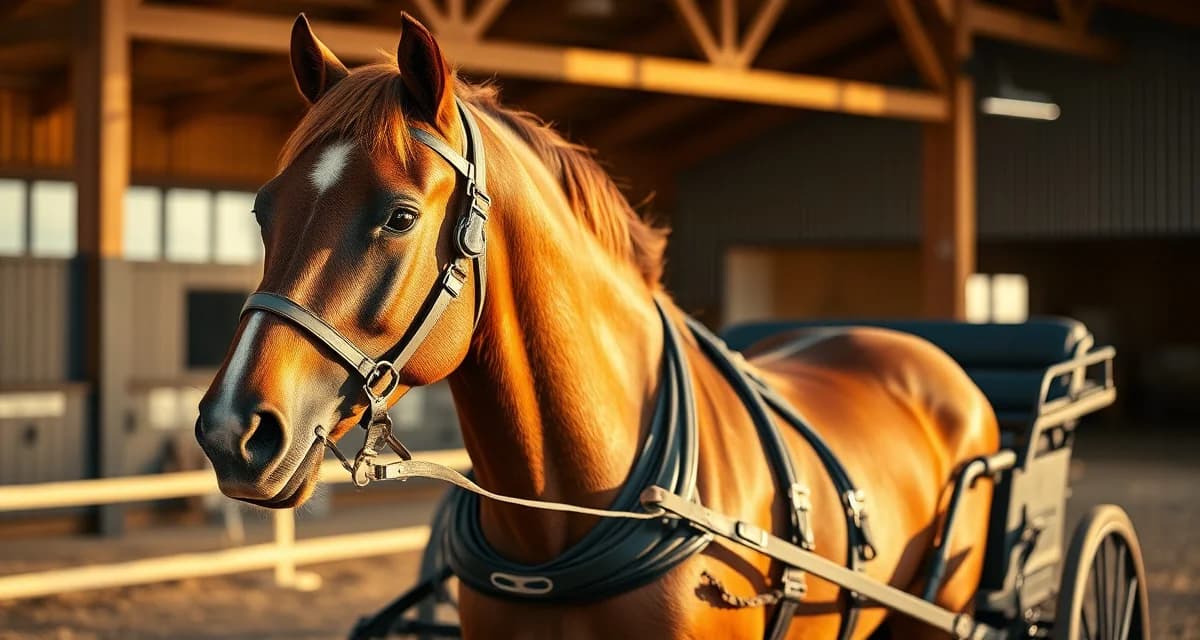
Combined Driving Barn Health Monitoring: FAQ for Managers
Combined driving barn health monitoring is one of the most overlooked operational challenges in equine facility management. Unlike standard boarding or dressage barns, combined driving facilities run horses through high-intensity carriage work, marathon phases, and cone driving, each placing distinct physical demands on the animals in their care.
TL;DR
- This FAQ covers the most common questions about combined driving barn health monitoring for equine facilities.
- Digital systems reduce manual errors and save time across all key management areas.
- BarnBeacon centralizes records, billing, communication, and scheduling in one platform.
- Most facilities see measurable time savings within the first 30 days of adoption.
- Software works on phones and tablets so staff can log and check data from anywhere on the property.
Generic barn software was not built for this. Combined driving facilities have unique health monitoring needs that most platforms simply do not address, leaving managers to patch together spreadsheets, paper logs, and disconnected apps to track horse welfare across a demanding competition and training calendar.
Why Combined Driving Health Monitoring Is Different
The physical profile of a combined driving horse changes rapidly across training phases. A horse preparing for marathon work needs different monitoring benchmarks than one in a cone driving taper week. Respiratory recovery rates, leg temperature, hoof condition, and muscle soreness patterns all shift based on where the horse sits in its preparation cycle.
Most barn management tools treat every horse the same way. They offer a single health log template with no way to flag phase-specific baselines or alert managers when a metric falls outside a discipline-appropriate range. For combined driving operations, that gap creates real risk.
BarnBeacon was built to close that gap. Its purpose-built tools for combined driving barn operations include phase-aware health tracking, carriage-specific incident logging, and automated alerts tied to training load, not just calendar dates.
How do combined driving barn managers handle health monitoring?
Most combined driving barn managers rely on a combination of daily visual checks, farrier and vet visit logs, and hand-recorded notes from grooms and drivers. The problem is that this information rarely lives in one place, and patterns are hard to spot when data is scattered across notebooks and email threads.
Effective health monitoring at a combined driving facility requires a centralized system that tracks vitals, soundness checks, and recovery metrics across the full training cycle. Managers who use purpose-built barn management software can set discipline-specific alert thresholds, assign daily monitoring tasks to staff, and review trend data before it becomes a veterinary emergency. The goal is to catch a developing issue during a training week, not after a marathon phase has already stressed the horse.
BarnBeacon supports this workflow by letting managers configure health monitoring protocols by horse, by phase, and by event proximity, so the right checks happen at the right time without relying on memory or manual reminders.
What software do combined driving barns use for health monitoring?
Most combined driving facilities currently use one of three approaches: a general equine management platform not built for the discipline, a generic farm management tool adapted for horses, or no software at all. Each of these creates blind spots.
General equine platforms often handle basic health logs well but lack the ability to connect health data to carriage work schedules, marathon distances, or cone driving intensity. Managers end up doing that correlation manually, which takes time and introduces error.
BarnBeacon is one of the few platforms designed with combined driving equine facility health monitoring as a core use case, not an afterthought. It connects training load data directly to health monitoring workflows, so when a horse completes a hard marathon schooling session, the system automatically flags elevated monitoring priority for the following 48 hours. That kind of discipline-aware logic is not available in most competing tools.
What are the health monitoring challenges at combined driving facilities?
Combined driving facilities face several health monitoring challenges that do not exist at other equine operations.
First, the multi-phase nature of the discipline means horses cycle through very different physical demands within a single competition week. A horse that looks fine after dressage may show early signs of fatigue stress after marathon, and managers need a system that tracks both data points and connects them.
Second, combined driving barns often manage horses belonging to multiple owners, each with different veterinary relationships, supplement protocols, and health history documentation. Keeping that information organized and accessible during a busy competition prep period is a significant operational burden.
Third, carriage-specific injuries, including harness rubs, shaft pressure points, and breeching-related muscle strain, require monitoring categories that standard equine health logs do not include. Managers either create custom workarounds or skip logging these issues entirely, which means the data is never available for trend analysis.
BarnBeacon addresses all three challenges with configurable health categories, multi-owner record management, and phase-linked monitoring schedules built specifically for combined driving operations.
What health changes in horses are easiest to miss without a digital log?
Gradual changes in feed intake, water consumption, and body weight are the most commonly missed early health indicators because they occur slowly and are easy to normalize over time. A horse that eats slightly less each day for two weeks may not trigger concern on any single day, but the pattern across logged data makes it obvious. This is why timestamped feeding logs matter: they create a record that reveals trends that daily observation alone misses.
How often should health observations be logged for boarding horses?
At a minimum, health observations should be logged during morning and evening feeding rounds, which catches the majority of acute changes. For horses on medication protocols, active treatment, or rehabilitation, additional check-in logs during the day are appropriate. The goal is not to create data for its own sake but to establish a baseline for each horse that makes deviations detectable quickly.
What should a complete horse health records include?
A complete health record should include vaccination history with dates and products used, deworming records, Coggins test results, farrier visit notes, dental records, any medications administered with dose and duration, vet visit summaries, and any injury or illness events with outcomes. This record should be accessible from a phone for use at events or during emergency vet calls.
Related Articles
FAQ
What is Combined Driving Barn Health Monitoring: FAQ for Managers?
Combined Driving Barn Health Monitoring is a structured approach to tracking the physical condition, performance recovery, and welfare of horses in combined driving facilities. It covers vital sign logging, post-marathon recovery checks, harness fit assessments, and conditioning load tracking across dressage, marathon, and cone phases. Because combined driving places uniquely varied physical demands on horses, monitoring must account for cardiovascular stress, muscle fatigue, and injury risk patterns that differ significantly from standard boarding or dressage environments.
How much does Combined Driving Barn Health Monitoring: FAQ for Managers cost?
Costs vary based on facility size and the platform you choose. Basic digital barn management tools start around $50–$150 per month for small operations, while comprehensive platforms like BarnBeacon with integrated health monitoring, scheduling, and billing scale with your roster. Many facilities find that replacing disconnected spreadsheets and paper logs with one unified system saves enough staff hours each month to offset the subscription cost within the first billing cycle.
How does Combined Driving Barn Health Monitoring: FAQ for Managers work?
Health monitoring in combined driving facilities works by logging daily observations—temperature, pulse, respiration, gut sounds, and movement quality—against each horse's training and competition schedule. Staff record data from stalls, wash racks, or the field using a phone or tablet. The system flags anomalies, tracks trends over time, and links health records to workload history so managers can spot recovery issues before they become veterinary emergencies.
What are the benefits of Combined Driving Barn Health Monitoring: FAQ for Managers?
The core benefits are earlier detection of health problems, reduced manual record-keeping errors, and a complete audit trail for each horse. Managers gain visibility across the full facility without chasing paper logs. During high-pressure competition seasons, centralized data means the vet, trainer, and barn manager are all working from the same records. Most combined driving operations report measurable time savings within 30 days of switching to a dedicated digital system.
Who needs Combined Driving Barn Health Monitoring: FAQ for Managers?
Any manager running a combined driving training program, competition yard, or multi-discipline equine facility benefits from structured health monitoring. This includes private farms preparing horses for FEI combined driving events, pony club programs, and boarding barns that host combined driving clients. The need is especially acute for facilities running multiple horses through marathon phases, where cardiovascular and musculoskeletal recovery must be tracked individually and consistently.
How long does Combined Driving Barn Health Monitoring: FAQ for Managers take?
Initial setup for a digital health monitoring system typically takes one to three days, including data migration, staff onboarding, and template configuration. Daily logging takes staff two to five minutes per horse once a routine is established. The time investment to build a meaningful health baseline—enough data to identify individual horse trends—is generally four to six weeks of consistent entry.
What should I look for when choosing Combined Driving Barn Health Monitoring: FAQ for Managers?
Look for a platform built to handle equine-specific health data, not just generic livestock or boarding records. Key features include customizable vital sign templates, workload-linked health logs, mobile access for field use, vet communication tools, and alert thresholds you can set per horse. Integration with billing and scheduling in a single platform reduces administrative friction. Avoid tools that require manual CSV exports to connect health data with the rest of your barn operations.
Is Combined Driving Barn Health Monitoring: FAQ for Managers worth it?
For any combined driving facility running more than a handful of horses through regular training and competition, structured health monitoring is worth the investment. The cost of a missed recovery issue—lameness, metabolic stress, or harness-related injury—far exceeds a monthly software subscription. Managers consistently report that having centralized, timestamped records improves veterinary response times, reduces liability exposure, and gives owners greater confidence in how their horses are being managed.
Sources
- American Association of Equine Practitioners (AAEP), equine health care guidelines and best practices
- American Veterinary Medical Association (AVMA), veterinary standards for equine care
- University of Kentucky Gluck Equine Research Center, equine health research publications
- Colorado State University College of Veterinary Medicine and Biomedical Sciences, equine health resources
- The Horse magazine, published by Equine Network, equine health and management reporting
Get Started with BarnBeacon
BarnBeacon's health monitoring tools build a complete, timestamped health history for every horse on your property and flag deviations from individual baselines before they become serious problems. Start a free 30-day trial to see how it works with your actual horse population.