Competition Horse Medication Compliance: What Boarding Barns Need to Know
Horses that compete under the rules of governing bodies (FEI, USEF, USEA, AQHA, and others) are subject to medication rules that prohibit certain substances during competition periods. Boarding barns that house competition horses have a role in medication compliance: accurate record-keeping, clear communication with horse owners and veterinarians, and knowledge of which medications require withdrawal periods before competitions.
How Medication Rules Apply at Boarding Facilities
The barn itself is not the responsible party for a horse's medication compliance. The horse's owner, trainer, and designated person responsible (DPR) bear responsibility under most rulebooks. However, boarding facilities contribute to compliance outcomes in two critical ways:
Accurate medication records: When a medication is administered at the barn, the record of what was given, when, and at what dose is essential information for the horse's connections to manage withdrawal timing. If your records are incomplete or inaccurate, the DPR may not know a medication was given or when.
Clear communication: If a vet prescribes a medication during a barn visit that the barn staff will administer, the barn manager needs to communicate the administration schedule accurately to the horse's owner and trainer, along with the withdrawal time if known.
The Barn's Medication Log as a Compliance Tool
A complete medication administration log serves multiple purposes for competition horses:
- Provides the exact date and time each dose was given
- Documents the specific product (brand name, not just generic) and dose
- Records the route of administration (oral, injection, topical)
- Identifies the staff member who administered the medication
- Creates a retrievable record if there's ever a question about what a horse received
This log should be part of each horse's health record, accessible to the owner and their veterinarian. See coggins-and-health-records for the broader health record management framework.
Controlled Substance Management
Competition horses sometimes receive controlled substances (buprenorphine, flunixin meglumine in injectable form, others) that require DEA licensing for possession and use by veterinarians. Barns typically receive these medications from a veterinarian for administration, not purchase and hold them independently.
If your barn administers controlled substances prescribed by a veterinarian:
- Document the prescribing vet's name and DEA number on the medication record
- Store controlled substances securely as required by your state's pharmacy regulations
- Track each dose administered and maintain records as required
See controlled substance tracking for the detailed compliance framework.
Communicating With Competition Horse Owners
Owners of competition horses should receive specific information about any medication administered:
- Medication name (brand and generic)
- Dose and route
- Date and time of administration
- Withdrawal time if known and if relevant to upcoming competition
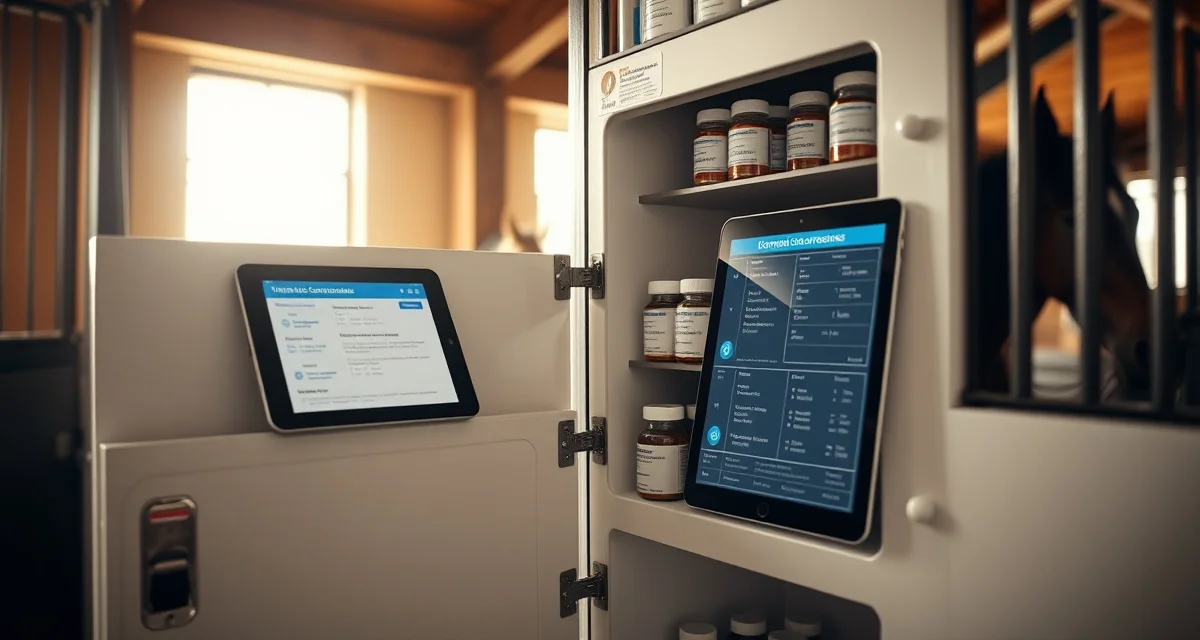
BarnBeacon's medication logging captures all of this information and makes it accessible to horse owners through the boarder portal, so competition connections have the data they need without requiring the barn manager to manually compile and send reports before every show.
For the daily operations context that includes medication administration, see barn daily operations and barn staff checklists.
FAQ
What is Competition Horse Medication Compliance: What Boarding Barns Need to Know?
Competition horse medication compliance refers to the process of ensuring horses competing under governing bodies like FEI, USEF, USEA, and AQHA are free of prohibited substances during competition periods. For boarding barns, this means maintaining accurate medication records and communicating clearly with owners, trainers, and designated persons responsible (DPRs). While the barn isn't legally responsible for compliance, incomplete records or missed communications can directly contribute to a violation.
How much does Competition Horse Medication Compliance: What Boarding Barns Need to Know cost?
There is no cost associated with understanding medication compliance rules — the information is available through governing body rulebooks and veterinary guidance. However, investing in barn management software to automate medication logging, generate reports, and send owner notifications can range from free to several hundred dollars per month depending on the platform and barn size.
How does Competition Horse Medication Compliance: What Boarding Barns Need to Know work?
Medication compliance at a boarding barn works through a combination of accurate record-keeping and proactive communication. When a veterinarian administers or prescribes a medication, barn staff log the drug name, dose, date, and route of administration. This record is then shared with the horse's owner or DPR, who uses withdrawal period timelines to determine when the horse is eligible to compete without risk of a positive test.
What are the benefits of Competition Horse Medication Compliance: What Boarding Barns Need to Know?
Proper medication compliance practices protect horses, owners, and the barn's reputation. Accurate records help owners calculate withdrawal periods and avoid costly disqualifications. Clear communication reduces the risk of a medication being given without the owner's knowledge before a competition. Barns that demonstrate diligent recordkeeping also build trust with clients and position themselves as preferred facilities for serious competitors.
Who needs Competition Horse Medication Compliance: What Boarding Barns Need to Know?
Any boarding barn housing horses that compete under USEF, FEI, USEA, AQHA, or other sanctioning bodies should understand medication compliance basics. This is especially critical for barns with active show clients, lesson programs with competition horses, or facilities where veterinarians regularly visit and administer treatments. Even occasional competitors benefit from barns that treat every medication administration as a record that may matter on show day.
How long does Competition Horse Medication Compliance: What Boarding Barns Need to Know take?
There is no fixed timeline — medication compliance is an ongoing operational practice, not a one-time process. The time-sensitive element is withdrawal periods, which vary by drug and can range from 24 hours to several weeks. Barn staff should log medications at the time of administration, and owners need sufficient notice before competitions to calculate whether a horse has cleared any regulated substances based on the competition date.
What should I look for when choosing Competition Horse Medication Compliance: What Boarding Barns Need to Know?
Look for clear protocols for logging all medications administered on the property, including drug name, dosage, route, date, and time. The barn should have a defined process for notifying owners promptly after any treatment. Ideally, the facility uses management software that creates a timestamped, shareable record. Also assess whether barn staff understand the difference between regulated and non-regulated substances and when to escalate questions to the veterinarian or owner.
Is Competition Horse Medication Compliance: What Boarding Barns Need to Know worth it?
Yes — for any barn housing competition horses, building solid medication compliance habits is worth the effort. The consequences of a positive drug test fall on the owner and trainer, but an incomplete barn record is often the root cause. Barns that invest in consistent logging and communication protect their clients from preventable violations, reduce liability exposure, and differentiate themselves as trustworthy, professional facilities in a competitive boarding market.