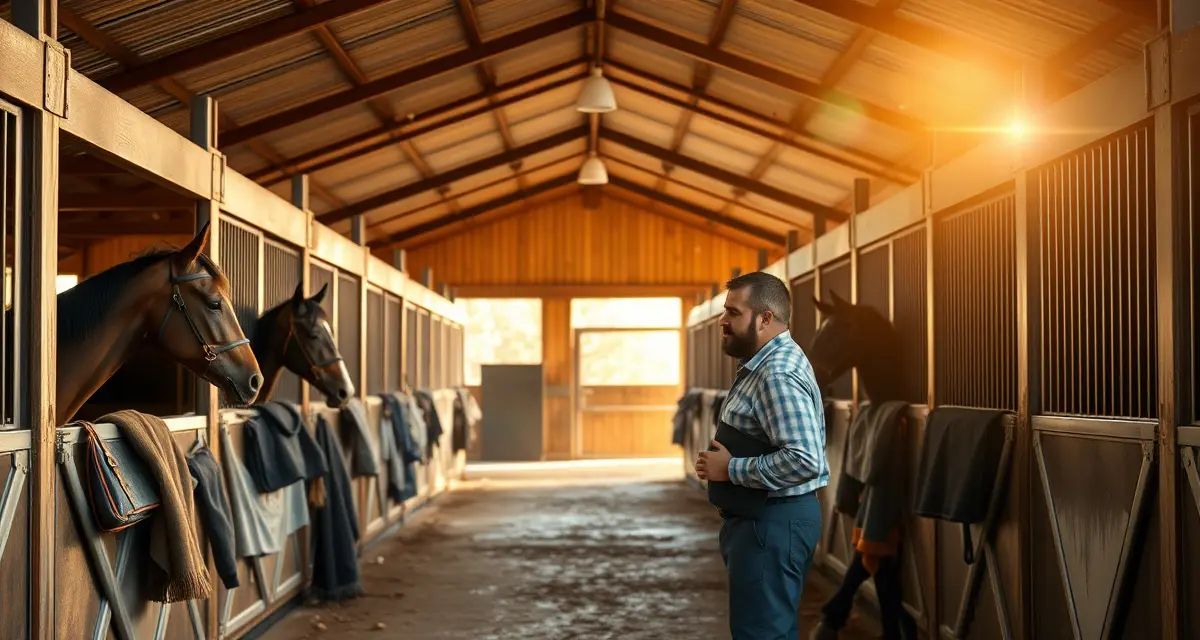
Fall Barn Management Guide
Fall is the barn management season where preparation determines how well the facility will operate for the next six months. The decisions made in October and November about horse health care, facility preparation, staff planning, and operational systems directly determine the quality of winter management from December through March. Facilities that treat fall as a transition season and do the preparation work run their winter operations better than those that wait for problems to arrive.
TL;DR
- Written systems established before they are needed prevent the majority of barn management problems in the first year.
- Feed and medication protocols documented per horse protect both the horses and the facility legally.
- Owner communication expectations set upfront reduce conflict more effectively than excellent communication after a problem occurs.
- A structured daily checklist reduces errors during busy or understaffed periods.
- Digital barn management tools are most useful when adopted before the operation outgrows paper-based tracking.
- BarnBeacon centralizes records, communication, and billing so managers can focus on horses rather than administrative tasks.
This guide covers the major operational dimensions of fall barn management: show season wrap-up, health care protocols, winter preparation, blanketing transition, and how BarnBeacon's barn management software supports fall operations. The complete barn management guide covers year-round management in more detail.
Show Season Wrap-Up and Billing
For performance facilities, fall is the end of show season, and the billing, record-keeping, and operational review that come with it.
Final show billing reconciliation should happen within one to two weeks of the last show. Show expenses, year-end championship entry fees, and any outstanding event-related charges should be logged in BarnBeacon and invoiced before the memory of those events fades and reconstruction becomes necessary. Show season billing disputes are more common at the end of the season than during it, precisely because end-of-season billing is often reconstructed from incomplete notes.
Year-end billing review for training facilities should confirm that all monthly charges were invoiced accurately throughout the year. A year-end account review for each client, comparing BarnBeacon's billing records to what was actually invoiced, catches errors that accumulated throughout the season.
Show season performance records accumulated in BarnBeacon over the course of the season become a useful planning resource for the following year. Which horses competed at which shows, what the results were, what health issues arose during show travel, and what billing categories caused the most friction are all visible in the season's records.
Client planning conversations for the following year often happen in fall. The billing and session history in BarnBeacon gives you the factual foundation for those conversations, how many training sessions a horse received, what the pattern of show entries and expenses looked like, and what health care was provided throughout the year.
Fall Health Care Protocols
Fall is one of two traditional peak periods for horse health care, along with spring. Annual and semi-annual health care procedures typically include deworming, fall vaccination boosters, dental work, and body condition assessment before winter.
Deworming in fall should be based on fecal egg count testing if you are not already doing so. Targeted deworming based on individual horse shedding levels is the current recommended approach. For facilities transitioning from calendar-based to fecal-egg-count-based programs, the fall transition is a natural time to implement the change. Log all deworming products and dates in BarnBeacon per horse so that the complete deworming history is available to any attending veterinarian.
Fall vaccination boosters vary by facility type, geography, and individual horse risk factors. Facilities in regions where mosquito-borne diseases (West Nile virus, Eastern and Western encephalomyelitis) are a concern may give fall boosters for those vaccines. Influenza and herpesvirus boosters are commonly given in fall at show facilities. Work with your veterinarian to determine the appropriate fall vaccine schedule for your specific facility.
Dental care at facilities that schedule annual dental floating often split this between spring and fall, with one round of exams and floating in each season. Fall dental care ensures horses go into winter able to process hay efficiently, important for maintaining body condition during cold months.
Body condition scoring in fall is particularly important because winter coats begin to develop, making visual body condition assessment more difficult as the season progresses. A hands-on body condition score for every horse in the fall, before winter coat makes monitoring difficult, establishes the baseline from which winter nutrition management is calibrated.
Fall farrier appointments may address hoof condition changes from summer work and prepare hooves for the transition to winter footing and traction considerations. For performance horses at facilities in icy climates, fall is when discussions about winter traction modifications (borium, ice nails, snowball pads) should happen.
Logging all fall health procedures in BarnBeacon creates the annual health record for each horse going into winter. The complete picture, vaccination dates, deworming history, dental work, and body condition scores, gives any attending veterinarian the full context needed for informed care decisions.
Blanketing Transition and Preparation
Fall is when blanketing decisions begin at most facilities in temperate climates, and when blanket inventory needs to be checked before the first cold night arrives unexpectedly.
Blanket inspection and cleaning should happen in early fall while the blankets are still clean from storage. Check for tears, broken hardware, and strap damage before washing. Blankets that need repairs or replacement are easier to address in September than on a cold night in November when you discover the problem.
Blanket inventory assessment should confirm you have the right weights for each horse in your care. The standard recommendation is having at least a light sheet or rain sheet, a mid-weight blanket, and a heavyweight blanket available for each horse that will be blanketed. Having the wrong weight available on a cold night is a real operational problem.
Establishing blanketing protocols before temperatures drop creates consistency across staff. A clear protocol that specifies the temperature and conditions under which each horse gets blanketed, and at what weight, eliminates the inconsistency that comes from each staff member making independent judgment calls every evening.
Logging blanket management in BarnBeacon gives all staff visibility into which horses are blanketed and at what weight. At facilities with evening or overnight staff who may not have been present when blanketing decisions were made, the BarnBeacon log answers the question "is this horse already blanketed?" without requiring a call or text to a colleague.
Facility and Grounds Preparation for Winter
The preparation work done on facilities and grounds in fall determines how much emergency management is needed in winter.
Water system winterization is the most critical fall facility task. Insulate exposed pipes before the first freeze. Confirm that heated waterers are functional. Know where the water shutoffs are for every barn area. Have a plan for what you'll do if a water system freezes, typically hauling water, which requires equipment and extra labor.
Drainage improvements identified during winter or wet spring conditions should be addressed while the ground is still workable in fall. Standing water in paddocks and around barn buildings causes hoof health problems (thrush, mud fever) and creates ice hazards in winter. Fall is the practical window for drainage work.
Fence inspection and repair before winter is a safety imperative. Fence damage from summer growth, deer pressure, or equipment impact may not be immediately visible, but a horse that gets through a fence in winter, during a snowstorm or when footing is icy, is at much greater risk of injury than one that escapes in summer. Walk every fence line in fall and repair anything that's damaged.
Manure management system preparation for winter includes confirming that composting facilities can handle winter volumes, that manure hauling arrangements are in place if needed during periods when spreading is impractical, and that the area around manure storage is accessible by tractor or wagon during winter conditions.
Indoor arena footing assessment in fall allows for footing improvements before winter driving makes deliveries difficult. If footing needs to be added, replaced, or significantly rehabilitated, fall is the right time to do it, before the arena becomes the primary training location for the winter months.
Conditioning and Training in Fall
Fall offers some of the best weather for equine training in many climates, cooler temperatures, less humidity, and firmer footing than spring mud conditions. It's also the period when horses coming off show season either transition to reduced work or begin preparation for the following year's program.
Post-show season fitness management requires careful attention. Horses that have been in peak competitive condition through summer need a thoughtful reduction in work intensity through fall, rather than an abrupt stop. Abrupt cessation of training after a period of peak fitness is associated with increased risk of tying up and other metabolic issues.
Rest and recovery periods are appropriate for many horses after a demanding show season. The duration and structure of rest depends on the horse's age, health status, and what the following year's program will require. Logging the rest period in BarnBeacon, noting when the rest period started and when reconditioning begins, creates the record that informs spring fitness planning.
Beginning winter conditioning programs for performance horses that will compete early in the following season should start in fall. Working backward from the first competition of the following year, the conditioning program needs enough lead time to develop appropriate fitness without rushing the progression.
Staff and Operational Planning
Fall is the right time for operational review and planning that will improve winter and the following year's performance.
Staff review and planning should assess whether current staffing is adequate for winter demands and whether the right people are in the right roles. Winter typically brings additional labor demands, water hauling during freeze events, additional blanketing time, and potentially more time managing weather-related situations. If additional staff will be needed in winter, fall is the time to hire and train, not January.
Operational system review is a useful fall exercise. What operational challenges showed up during the past year? Where did billing errors occur? Where did communication break down? Where was scheduling most stressful? The answers to these questions should drive improvements in systems and protocols before they become problems again.
Budget planning for the following year at most facilities happens in fall, based on the current year's actual billing and expense records. BarnBeacon's billing history and operational records give you the factual foundation for realistic budget projections rather than estimates from memory.
Client communication about winter policies should happen in fall before the policies become relevant. If the facility has specific winter turnout protocols, blanketing service fees, or scheduling adjustments for winter, clients should receive clear communication about these before they affect anyone's horses.
Frequently Asked Questions
What health care should horses receive every fall?
The standard fall health care workup at most facilities includes fecal egg count testing followed by targeted deworming if appropriate, fall vaccination boosters for any vaccines on a twice-annual schedule or recommended for fall administration in your geography, dental examination and floating if on a semi-annual or annual schedule, and a body condition assessment before winter coat makes visual monitoring difficult. Performance horses should also have a soundness evaluation at the end of the competitive season to identify any issues that developed during the season and should be addressed during winter rest. Log all fall health procedures in BarnBeacon to build each horse's complete annual health record.
How do I prepare my barn for winter in fall?
Winter preparation in fall should cover water system winterization (insulating pipes, testing heated waterers), fence inspection and repair, blanket inventory assessment and cleaning, drainage improvements in chronically wet areas, and indoor arena footing evaluation. Do facility preparation before the first hard freeze rather than after, frozen ground limits drainage work options, and discovering a water system problem during the first freeze of winter is significantly harder to manage than addressing it in October. Staff and operational planning for winter demands, additional labor for weather events, coverage protocols for extreme weather, should also happen in fall.
How do I wrap up show season billing correctly?
The most effective show season billing wrap-up happens within one to two weeks of the final show while event details are still clear. Log any remaining show-related charges in BarnBeacon immediately and generate final invoices for each client. Do a year-end billing review comparing BarnBeacon billing records to what was invoiced throughout the season, errors that accumulated over a full show season are worth finding and correcting. Use the end-of-season as an opportunity to have planning conversations with clients about the following year's program, using BarnBeacon's session history and billing records as the factual foundation for those discussions.
What is the most common mistake barn managers make with record-keeping?
The most common record-keeping mistake is logging health events, billing items, and care tasks after the fact from memory rather than at the time they occur. Delayed logging introduces errors, omissions, and disputes that are difficult to resolve because the original record does not exist. Moving to real-time digital logging, from any device, is the single most impactful record-keeping improvement available to most facilities.
How does barn management software save time at a multi-horse facility?
The largest time savings come from eliminating manual tasks that recur at high frequency: sending owner updates, generating monthly invoices, tracking care task completion across shifts, and scheduling recurring appointments. At a facility with 25 or more horses, these tasks can consume several hours per day when done manually. Automating the routine layer returns that time without reducing quality of communication or care.
What is Fall Barn Management Guide?
A Fall Barn Management Guide is a seasonal operational framework that helps barn managers prepare their facilities for winter before problems arise. It covers show season wrap-up, horse health care protocols, facility winterization, staff planning, and administrative systems. The goal is to make decisions in October and November that determine how smoothly the barn operates from December through March, rather than reacting to problems after they occur.
How much does Fall Barn Management Guide cost?
A Fall Barn Management Guide itself is free educational content available on BarnBeacon. The real cost savings come from implementing its recommendations early — preventing veterinary emergencies, reducing administrative errors, and avoiding the operational chaos of an unprepared winter season. BarnBeacon's barn management software, which supports the guide's systems, offers subscription plans scaled to facility size and feature needs.
How does Fall Barn Management Guide work?
A Fall Barn Management Guide works by walking barn managers through the critical preparation tasks that must happen before winter sets in. It covers establishing written protocols for feed and medications, setting owner communication expectations, creating daily checklists, and adopting digital tools. Each section addresses a specific operational dimension so managers can work through preparation systematically rather than scrambling when cold weather arrives.
What are the benefits of Fall Barn Management Guide?
The primary benefits include fewer winter emergencies, reduced administrative errors during understaffed periods, clearer legal protection through documented feed and medication records, and less conflict with horse owners. Facilities that follow a structured fall preparation process consistently outperform those that wait for problems to emerge. Written systems and digital tools like BarnBeacon also free up manager time to focus on horse care rather than paperwork.
Who needs Fall Barn Management Guide?
Any barn manager, boarding facility operator, or equine facility owner responsible for horses through a winter season needs a Fall Barn Management Guide. It is especially valuable for first-year managers establishing systems from scratch, growing facilities that have outgrown paper-based tracking, and any operation where multiple staff members share responsibilities. If your barn houses horses from October through March, structured fall preparation directly affects animal welfare and business outcomes.
How long does Fall Barn Management Guide take?
Effective fall barn management preparation typically takes four to six weeks if started in early October. The heaviest lift is establishing written protocols, updating health records, and communicating new systems to owners and staff. Digital tools like BarnBeacon accelerate the process by centralizing records and communication. Facilities that begin preparation in September complete it with less stress; those that start in late November often carry gaps into winter operations.
Related Articles
- Switching Barn Management Software: Data Migration Guide
- Barrel Racing Barn Staff Management: Complete Guide for Facility Managers
Sources
- American Horse Council, equine industry economic impact and facility operations research
- American Association of Equine Practitioners (AAEP), equine health care and management guidelines
- University of Kentucky Equine Initiative, equine business management and industry resources
- Rutgers Equine Science Center, equine management research and extension publications
- The Horse magazine, published by Equine Network, equine facility management reporting
Get Started with BarnBeacon
BarnBeacon brings billing, health records, owner communication, and daily operations into one platform built for equine facilities, so the time you spend on administration goes back to the horses. Start a free 30-day trial with full access to every feature, or schedule a demo to see how it handles your specific facility type.