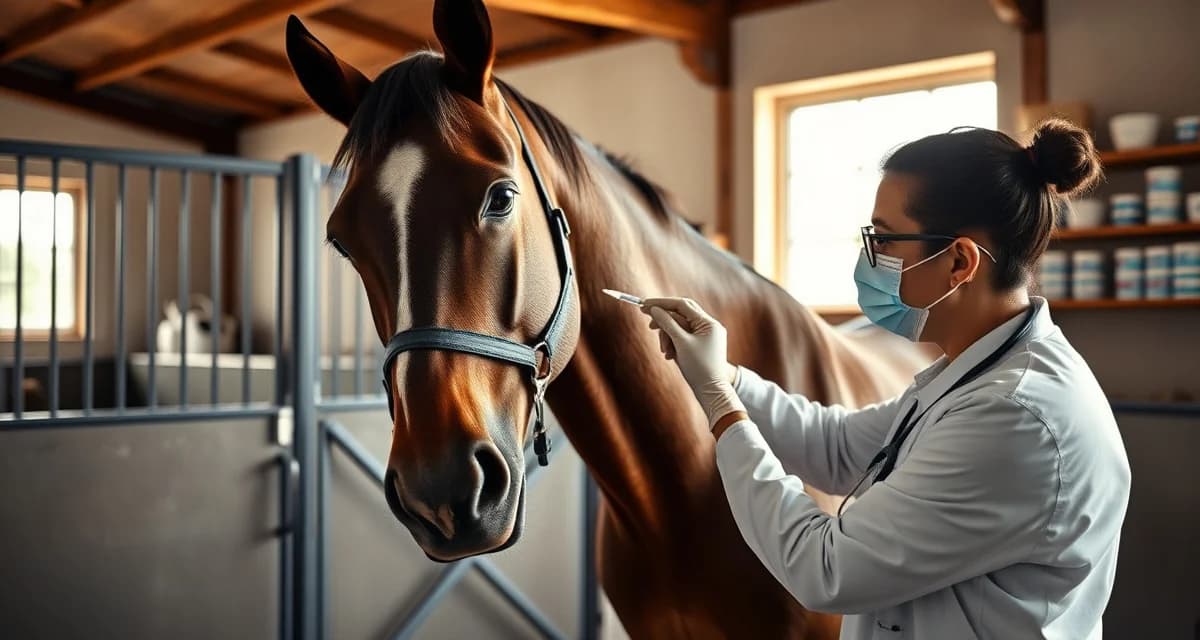
Tracking Deworming Schedules and Products Used
Deworming is one of the most common preventive care tasks in a horse barn, and one of the areas where facilities most often have incomplete records. People remember to deworm. They often forget to write down exactly when they did it, what product they used, and what the horse's fecal egg count was.
Without those records, you cannot demonstrate compliance, cannot identify resistance patterns, and cannot coordinate with your vet on an evidence-based parasite control program.
The Shift to Strategic Deworming
The old approach to deworming was a rotating product schedule applied to all horses every eight to twelve weeks regardless of parasite burden. That approach has been largely replaced by strategic deworming based on fecal egg counts (FEC), which gives you actual data on each horse's parasite burden before deciding whether and what to treat.
Strategic deworming has two main advantages. It slows the development of anthelmintic resistance by reducing unnecessary treatment of horses with low burdens. It also reveals which horses are high egg shedders and need more aggressive management.
Understanding strategic deworming matters for record-keeping because the records become more complex. You are not just logging "gave ivermectin on March 1." You are logging fecal egg count results, treatment decisions based on those results, post-treatment counts, and tracking patterns over time.
What to Record for Each Deworming Event
For each deworming treatment, record:
Date. Not approximate, the actual date.
Horse name. Every horse in your herd should have individual records, not a group entry.
Product used. The specific product including active ingredient (ivermectin, pyrantel, fenbendazole, moxidectin, praziquantel) and brand name. Different active ingredients target different parasites and have different resistance profiles.
Dose administered. The horse's body weight estimate and the dose given.
Administration method. Oral paste, granules in feed, or other method.
Who administered it. Your staff member or the vet.
Fecal egg count (if applicable). Pre-treatment count, date of the count, the lab or method used.
Post-treatment count (if applicable). Follow-up fecal egg count if done, typically two weeks post-treatment, to evaluate efficacy.
Managing Multiple Horses With Different Protocols
In a boarding barn, your horses will not all be on the same deworming protocol. Some owners manage their own deworming. Others rely on your program. Some horses are on strategic deworming with fecal monitoring. Others are on a conventional rotation.
Record each horse's protocol explicitly in its care records and maintain separate deworming logs per horse regardless of who is responsible for treatment.
BarnBeacon tracks deworming records per horse and can flag upcoming deworming events based on the schedule you set for each animal. This means no horse falls through the cracks even when different horses are on different protocols.
Fecal Egg Count Management
If you are running a strategic deworming program, you need a system for scheduling and tracking fecal egg counts. These are typically run by your farm vet and require a fresh manure sample from each horse.
Log FEC results with the date, the horse, the egg count result, the dominant parasite type identified if known, and the treatment decision made based on the result.
Review FEC data over time to identify patterns. High egg shedders who consistently show high counts despite appropriate treatment may have a resistance issue worth investigating with your vet. Low shedders who consistently stay low may need less frequent treatment than your default schedule.
Product Rotation and Resistance Considerations
Anthelmintic resistance is a real and growing problem in equine parasite management. Using the same product repeatedly in a population selects for resistant parasites. A tracked deworming history allows you to evaluate what has been used across your herd and make deliberate decisions about product rotation.
Your farm vet should be a partner in designing your deworming program. Bring your deworming records to annual herd health visits so the vet can evaluate the program with real data.
See also health vaccination tracking for managing other aspects of preventive care, and health records for how deworming records fit into the complete equine health record.
FAQ
What is Tracking Deworming Schedules and Products Used?
Tracking deworming schedules and products used means maintaining detailed records of each horse's parasite control history — including treatment dates, products administered, dosages, and fecal egg count (FEC) results. It goes beyond simply remembering to deworm. Good records let you identify resistance patterns, demonstrate compliance during inspections, coordinate with your veterinarian on evidence-based treatment decisions, and build a longitudinal picture of each horse's parasite burden over time.
How much does Tracking Deworming Schedules and Products Used cost?
Basic tracking can be done at no cost using a spreadsheet or notebook. Dedicated barn management software ranges from free tiers to $20–$100 per month depending on herd size and features. When weighed against the cost of vet visits, resistance-driven treatment failures, or compliance issues, even a paid tracking system is a minor expense. The real cost of not tracking is far higher — wasted product, missed resistance signals, and avoidable health problems.
How does Tracking Deworming Schedules and Products Used work?
Tracking works by recording a structured set of data points each time a deworming event occurs or a fecal egg count is conducted. For each horse, you log the date, product used, active ingredient, dose, the horse's weight, FEC result before treatment, and a follow-up FEC result two weeks post-treatment. Over time, this builds a per-horse history that reveals shedder status, product efficacy, and whether resistance to specific drug classes is developing in your herd.
What are the benefits of Tracking Deworming Schedules and Products Used?
The core benefits are better health outcomes, smarter product use, and defensible records. Strategic deworming guided by accurate records reduces unnecessary treatment, slowing anthelmintic resistance. You can identify which horses are high egg shedders requiring more aggressive management and which low shedders need only annual treatment. Records also protect you during vet audits or ownership disputes, and help a new vet or barn manager get up to speed without starting from scratch.
Who needs Tracking Deworming Schedules and Products Used?
Any facility housing multiple horses benefits from formal deworming records — private barns, boarding facilities, breeding operations, and rescues alike. It is especially critical for facilities with high horse turnover, where new animals may introduce resistant parasites. Breeding farms tracking foals, facilities subject to regulatory oversight, and any barn working with a veterinarian on a strategic parasite control program will find accurate records essential rather than optional.
How long does Tracking Deworming Schedules and Products Used take?
The record-keeping itself takes only a few minutes per horse per treatment event — logging the date, product, dose, and FEC result. The broader program requires scheduling FEC testing two to four times per year depending on the horse's shedder category, plus post-treatment checks roughly two weeks after deworming. Initial setup of a tracking system for an existing herd may take a few hours. Once the system is in place, ongoing maintenance is minimal.
What should I look for when choosing Tracking Deworming Schedules and Products Used?
Look for a system that captures the specific data points that matter: treatment date, product name, active ingredient class, dose, horse weight, pre-treatment FEC, and post-treatment FEC. It should support per-horse history views so you can spot trends across multiple years. Integration with vet records or the ability to export data for your veterinarian is a plus. Ease of use matters — a system that is too complex will not get used consistently, which defeats the purpose.
Is Tracking Deworming Schedules and Products Used worth it?
Yes. The shift to strategic deworming means records are no longer a formality — they are the foundation of the program itself. Without them, you cannot make evidence-based treatment decisions, cannot detect resistance developing in your herd, and cannot demonstrate due diligence if a horse's health is questioned. The time investment is small. The payoff is a more effective parasite control program, reduced product waste, and a healthier, better-documented herd.