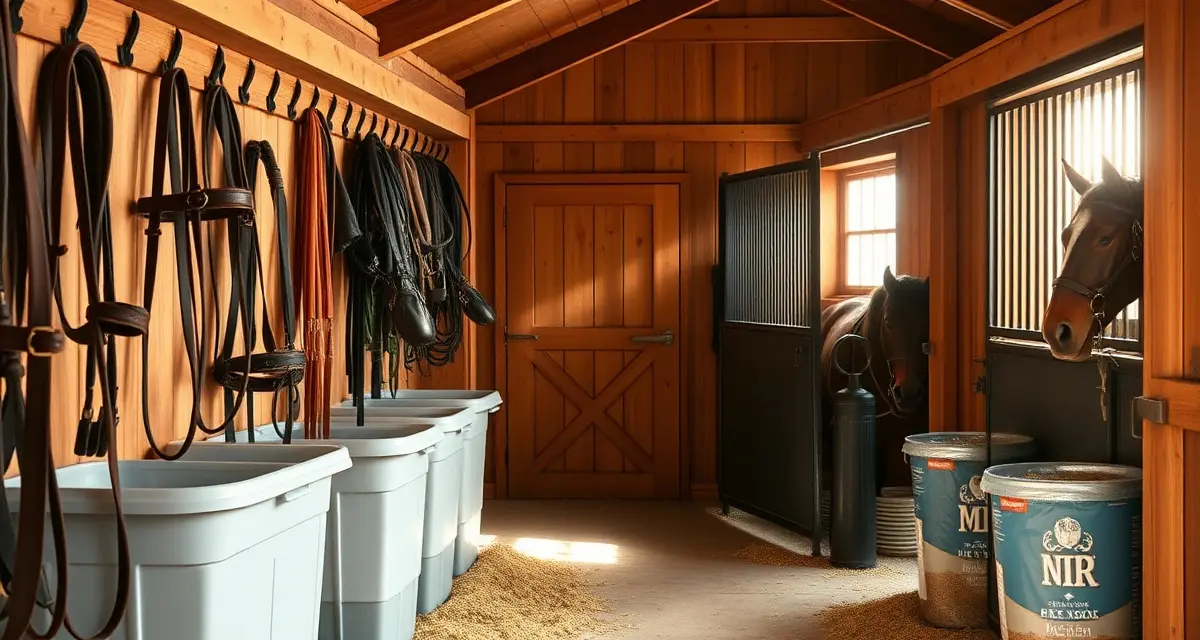
Small Barn Management Essentials
Managing a small barn is not a simplified version of managing a large one. It has its own rhythms, its own pressures, and its own skill set. The manager at a 12-horse operation is usually handling a wider range of responsibilities than their counterpart at a 60-horse facility, where tasks are more specialized and more delegated. Small barn management requires generalist competence across every aspect of equine facility operations.
The Dual Role Problem
Most small barn managers are also the primary caretakers. You are cleaning stalls, feeding horses, and managing billing in the same day. This creates a constant tension between hands-on care work and administrative work. Administrative tasks tend to lose when they compete with a horse that needs attention or a stall that needs cleaning.
The only sustainable solution is building administrative systems that are fast enough to not feel like a burden. Billing that takes three hours at the end of the month is not sustainable alongside full barn responsibilities. Billing that takes twenty minutes because charges were logged as they happened is manageable.
The same applies to owner communication, health record maintenance, and scheduling. Systems that are integrated into the daily workflow get used. Systems that require dedicated administrative time compete with everything else and often lose.
Boarding Agreements and Policies
Small barns often operate informally, especially when the owner has long-term relationships with clients. This informality becomes a problem when a dispute arises, a boarder wants to leave without proper notice, or there is a misunderstanding about what services are included in the board fee.
Every boarder should have a signed boarding agreement that covers:
- Board rate and what is included
- Policy for variable charges and how they are billed
- Notice period required to terminate boarding
- Emergency authorization for vet care
- Liability and insurance language appropriate to your state
- Rules about access, visitors, and use of facilities
These documents are not adversarial. They are protective for both parties and create a professional foundation for the relationship. Most clients respect a barn that has clear, documented policies.
Health Record Management
At a small barn, the manager often carries health information for each horse in memory. This works until it does not. A new employee, a coverage period, or a vet call while you are at another location can expose the gaps in informal record-keeping.
Digital health records per horse, even simple ones, solve this problem. At minimum, each horse's record should include:
- Current medications and supplements with doses and timing
- Known health conditions or history relevant to current care
- Recent vet and farrier visits with dates and notes
- Emergency contact for the owner
- Vet and farrier contact information
BarnBeacon keeps these records organized and accessible from any device. The manager and authorized staff can pull up a horse's record in thirty seconds rather than searching through a filing cabinet or relying on what they remember from a conversation two weeks ago.
Billing at a Small Barn
The most financially damaging habit at small barns is informal billing. Board fees collected on a handshake schedule, extra charges added from memory, and invoices that go out late or not at all damage both cash flow and client trust.
A simple billing system with consistent timing is the goal. Board fees are due on the first of the month. Extra charges are logged when they occur and appear on the invoice with a clear description. Invoices go out on the same date every month.
This consistency makes your barn more professional and makes clients' financial planning easier. Owners who receive a predictable invoice every month are more likely to pay promptly than owners who get invoices on irregular schedules with unexpected charges.
Communication at Small Barns
The personal relationships at a small barn are a genuine advantage. Use them deliberately. Regular communication with owners, even brief updates on how their horse is doing, builds the loyalty that keeps clients at a small barn even when larger facilities might offer more amenities.
The trap is letting communication become reactive. If you only talk to owners when there is a problem or when they call you, the relationship deteriorates. Building a simple cadence of proactive communication, even just a quick message when a horse does something noteworthy or has a good training day, makes a significant difference.
Planning for Growth and Change
Small barn managers often do not plan for what happens if they want to grow, reduce the herd size, or step back from day-to-day operations. The barn that is entirely dependent on one person's knowledge and relationships is fragile.
Building documented systems now, while the barn is small and the systems are simple, is an investment that pays off later. If you ever want to hire help, reduce your personal workload, or eventually sell the property, a barn with clean records and documented operations is worth more and easier to transition than one that runs entirely on the manager's memory. See also: small-barn-features and staff-onboarding.
FAQ
What is Small Barn Management Essentials?
Small barn management essentials are the core systems, routines, and skills required to run a small equine facility efficiently. Unlike large operations with specialized staff, small barn managers handle everything from daily horse care to billing and owner communication. The essentials cover stall management, feeding schedules, health record keeping, financial tracking, and client relations — all managed by one or two people who must balance hands-on animal care with administrative responsibilities simultaneously.
How much does Small Barn Management Essentials cost?
Small barn management essentials are not a product with a price tag — they refer to the practices and systems you implement at your facility. Costs vary depending on whether you invest in barn management software, hire additional help, or build manual systems. Software solutions typically range from free basic tools to $50–$150 per month for full-featured platforms, while the core knowledge and routines themselves cost only time and consistency to develop.
How does Small Barn Management Essentials work?
Small barn management works by integrating administrative tasks directly into daily care routines rather than treating them as separate responsibilities. Charges get logged as they occur, health observations get recorded at feeding time, and owner updates happen in real time. When systems are embedded in the workflow — not bolted on afterward — they actually get used. The goal is reducing administrative friction so nothing falls through the cracks during a busy barn day.
What are the benefits of Small Barn Management Essentials?
The primary benefit is sustainability. Small barn managers who build efficient systems spend less time on administrative catch-up, reduce billing errors, maintain better health records, and communicate more reliably with horse owners. This leads to fewer disputes, stronger client retention, and less stress. Well-run small barns also tend to have better financial visibility, making it easier to spot problems early and make informed decisions about pricing, capacity, and expenses.
Who needs Small Barn Management Essentials?
Anyone running or working in a small equine facility — typically one to twenty horses — benefits from mastering small barn management essentials. This includes private barn owners, boarding facility managers, lesson program operators, and working students taking on management responsibilities. It is especially relevant for those who are both the primary caretaker and the administrator, where the tension between hands-on work and business operations is most acute and most likely to cause burnout.
How long does Small Barn Management Essentials take?
There is no fixed timeline — small barn management is an ongoing practice rather than a one-time task. Building your core systems initially may take a few weeks of refinement. Daily administrative tasks, when properly integrated, should take minutes rather than hours. Monthly billing in a well-organized barn can be completed in twenty minutes or less. The time investment decreases significantly once routines are established and consistently followed.
What should I look for when choosing Small Barn Management Essentials?
Look for systems that fit naturally into your daily workflow. The best management approach is one you will actually use under pressure. Prioritize tools that reduce friction — fast data entry, clear financial tracking, simple owner communication, and accessible health records. Avoid overly complex solutions designed for large facilities. For software, evaluate ease of use, mobile access, and whether it handles billing, scheduling, and records in one place rather than requiring multiple disconnected tools.
Is Small Barn Management Essentials worth it?
Yes — for anyone managing a small equine facility, investing time in proper management systems pays off in reduced stress, fewer errors, and a more professionally run operation. The alternative is perpetual administrative catch-up that competes with horse care. Good systems do not eliminate the hard work of barn management, but they prevent administrative chaos from compounding it. Over time, the efficiency gained translates directly into better service for horse owners and a more viable business.