Task Tracking and Staff Scheduling: How They Work Together
Task tracking and staff scheduling are most effective when they're integrated rather than managed separately. A staff schedule tells you who is working; task tracking tells you what they did. When these two systems connect, you get full operational visibility: who was supposed to do what, whether they did it, and when.
Why Integration Matters
When scheduling and task tracking are in separate systems, there's always a gap. You know the morning shift was staffed. You don't know whether morning feeding was completed because that information lives somewhere else, or nowhere at all.
This gap is where operational problems hide. Missed medications. Skipped stall checks. Care tasks that were "probably" done but have no record. When something goes wrong, there's no audit trail showing what happened.
BarnBeacon connects scheduling and task tracking in one platform. The schedule creates the context; task logging creates the record. Together, they give managers the operational control that's impossible with disconnected systems.
How the Connection Works
When a staff member is scheduled for a shift in BarnBeacon, their shift includes the horses they're responsible for and the tasks associated with those horses. When the shift starts, the task list is already generated and waiting.
As the staff member works through their shift, they check off completed tasks in BarnBeacon. Each check-off creates a timestamped log entry tied to that staff member's account. The task is marked complete in the system.
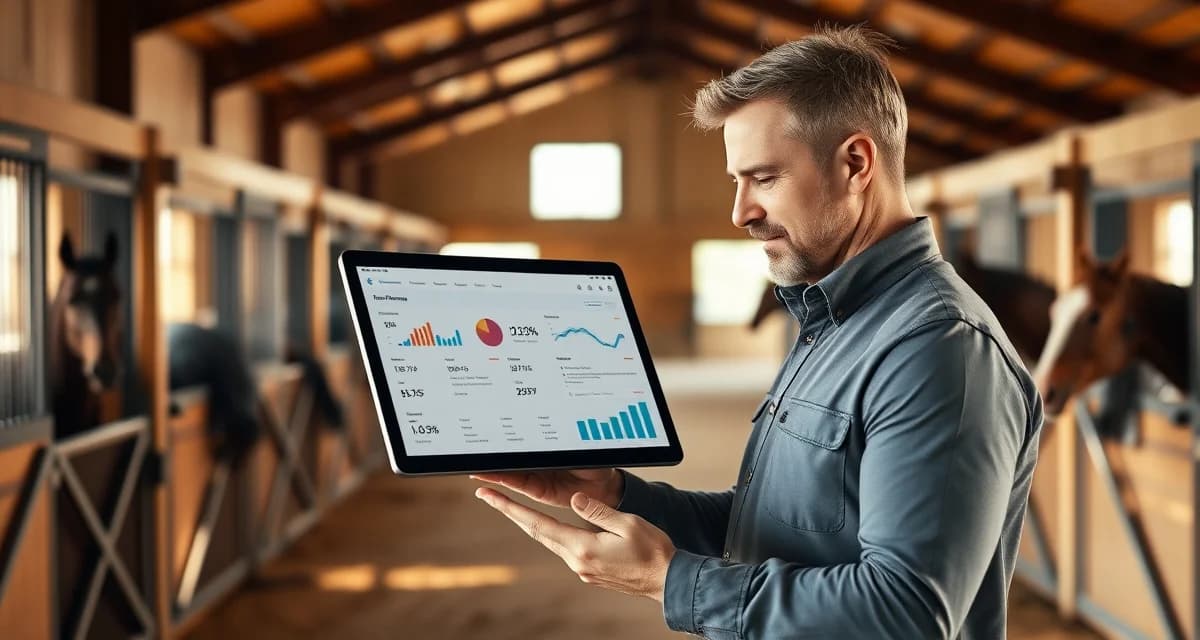
Managers can see completion status in real time. If morning shift is three hours in and two horses' feedings are still showing as incomplete, the manager knows immediately rather than finding out hours later.
Staff Scheduling with Task Context
Good shift scheduling requires knowing what tasks need to happen during each shift, not just how many hours of coverage are needed. A morning shift at a barn with a scheduled vet visit requires different coverage than a standard morning.
In BarnBeacon, when you schedule a vet visit for a specific horse, you can also create preparation tasks for the assigned staff member on that shift. The schedule and the task list stay synchronized. Staff know what's expected of them because the task context is built into the schedule.
Staff scheduling and staff task management are the two modules that create this connection.
Tracking and Accountability
The combination of scheduling and task tracking creates a natural accountability system without requiring micromanagement. Staff are assigned to specific shifts with specific responsibilities. Their task completions are logged. Managers can see what happened on any given shift without having to be physically present.
This accountability works both ways. When staff consistently complete their tasks on time, the record shows it. When performance issues arise, the task log is evidence. When care questions come from horse owners, the records answer them.
For facilities with staff permissions configured appropriately, each staff member can see their own task history without having access to information about other staff or clients.
Billing Connections
A third layer of integration connects task tracking to billing. When billable care events, medication doses, extra services, blanket changes, are logged as completed tasks, they create billing entries simultaneously.
This three-way connection, scheduling to task tracking to billing, is what makes BarnBeacon's approach different from managing these functions in separate tools. Per-horse charge tracking is the billing layer that completes the loop.
Practical Setup
The setup for connected scheduling and task tracking involves:
- Configuring each horse's standard task list for morning and evening shifts
- Setting up the weekly shift schedule with horse assignments
- Connecting billable tasks to their billing categories
- Briefing staff on how to log task completions
Most barns complete this setup in a day or two and see immediate benefits in operational visibility and billing accuracy. See scheduling for the full scheduling overview and task management barn for task management specifics in a boarding context.
FAQ
What is Task Tracking and Staff Scheduling: How They Work Together?
Task tracking and staff scheduling integration means connecting who is working with what they're responsible for completing. Rather than managing two separate systems, an integrated platform like BarnBeacon links each scheduled shift to the specific horses and care tasks assigned to that staff member. Managers gain full operational visibility—knowing not just who was on duty, but whether feeding, medications, stall checks, and other critical tasks were actually completed and logged during that shift.
How much does Task Tracking and Staff Scheduling: How They Work Together cost?
BarnBeacon offers subscription-based pricing for barn and equine facility managers. Costs vary depending on facility size, number of staff, and horses under management. Because integrated scheduling and task tracking replaces multiple disconnected tools—paper logs, separate scheduling apps, and manual checklists—many facilities find the total cost lower than maintaining fragmented systems. Contact BarnBeacon directly for a quote tailored to your operation.
How does Task Tracking and Staff Scheduling: How They Work Together work?
When a staff member's shift is created in BarnBeacon, the platform automatically generates a task list based on the horses they're responsible for that day. As staff work through their shift, they log each completed task in real time. Managers can monitor progress remotely, receive alerts for overdue tasks, and review a complete audit trail showing exactly what was done, by whom, and when—all within a single connected system.
What are the benefits of Task Tracking and Staff Scheduling: How They Work Together?
Integrated task tracking and scheduling eliminates the operational blind spots that exist when systems are separate. Benefits include fewer missed medications and skipped care tasks, real-time shift visibility for managers, automatic task list generation at shift start, a clear audit trail for accountability, and faster identification of recurring gaps in care. When something goes wrong, you have documentation showing exactly what happened rather than relying on memory or guesswork.
Who needs Task Tracking and Staff Scheduling: How They Work Together?
Any barn or equine facility with multiple staff members handling daily horse care can benefit from integrated scheduling and task tracking. This includes boarding facilities, training barns, breeding operations, and therapeutic riding centers. It's especially valuable for managers who aren't on-site for every shift, facilities with high horse-to-staff ratios, and operations where medication administration or veterinary protocols require documented compliance.
How long does Task Tracking and Staff Scheduling: How They Work Together take?
Setup time varies by facility size, but most barns can configure horses, staff, and task templates within a few hours. Once running, the system works in the background—staff clock in, tasks are waiting, and logging takes seconds per task. The time investment is front-loaded in initial setup; daily use is designed to be faster than manual alternatives like paper logs or text message check-ins.
What should I look for when choosing Task Tracking and Staff Scheduling: How They Work Together?
Look for a platform that connects scheduling and task tracking natively rather than bolting them together as separate modules. Key features to evaluate include automatic task generation from shift assignments, mobile-friendly logging for staff in the barn, real-time manager visibility, customizable task templates per horse, medication and protocol tracking, and a reliable audit trail. Ease of use matters—staff adoption determines whether the system works in practice.
Is Task Tracking and Staff Scheduling: How They Work Together worth it?
For any barn with more than a handful of staff and horses, integrated scheduling and task tracking pays for itself quickly. The cost of a missed medication, a liability incident with no documentation, or a care gap that goes unnoticed can far exceed the cost of the software. Beyond risk reduction, managers recover hours spent chasing status updates. If operational accountability and horse welfare are priorities, the answer is yes.