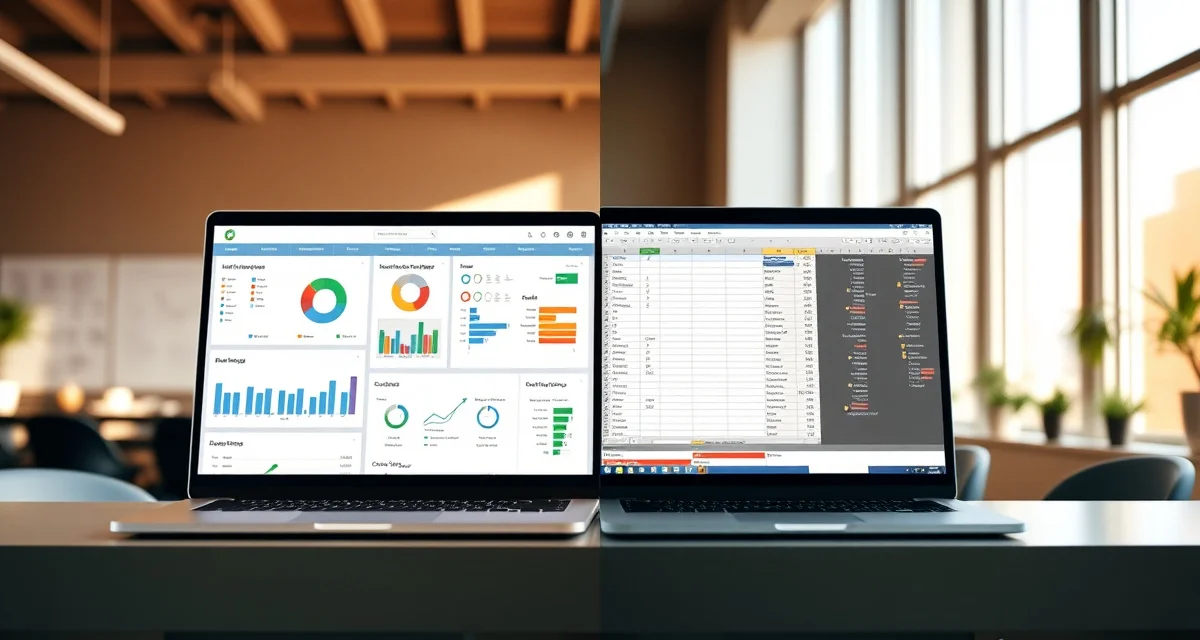
Barn Software vs Spreadsheets: Full Feature Comparison
Most barn managers don't start with spreadsheets because they're ideal. They start with them because they're free and familiar. The problem shows up later, usually around month three, when you're manually cross-referencing feeding schedules, chasing down unpaid invoices, and fielding the same "how's my horse doing?" texts for the fifth time that week.
TL;DR
- Purpose-built equine barn management software outperforms general tools like spreadsheets or generic project apps for facility operations.
- Integrated platforms that connect billing, health records, scheduling, and owner communication outperform collections of separate tools.
- Cloud-based systems accessible from a phone allow managers and staff to log and access data anywhere on the property.
- Digital health records are more valuable than paper records because they are searchable, shareable, and timestamped.
- Staff adoption is the single largest factor determining whether a software investment delivers its expected value.
- Most facilities that commit to consistent use reach positive ROI within 60 to 90 days of full implementation.
82% of barn managers who switch to dedicated software cite billing or communication limitations as the primary reason. That's not a coincidence. It's a pattern that points to exactly where spreadsheets break down at scale.
TL;DR Verdict
Spreadsheets work fine for barns with fewer than 10 horses and minimal billing complexity. The moment you add partial payments, per-service charges, multiple owners, or any health tracking, the manual overhead becomes unsustainable.
Dedicated barn software handles billing automation, owner communication, and health monitoring in ways no spreadsheet can replicate. The question isn't whether to switch, it's which platform closes the gaps that matter most to your operation.
Head-to-Head Comparison Table
| Feature | Spreadsheets | Basic Barn Software | BarnBeacon |
|---|---|---|---|
| Boarding invoices | Manual | Automated | Automated + itemized |
| Per-service billing | Error-prone | Limited | Full support |
| Owner portal | None | Basic or none | Dedicated portal |
| Health monitoring | Manual notes | Basic logs | AI-assisted alerts |
| Mobile access | Limited | Varies | Full mobile |
| Multi-horse households | Confusing | Supported | Supported |
| Payment processing | External | Sometimes included | Integrated |
| Vet/farrier scheduling | Manual | Basic | Automated reminders |
| Audit trail | None | Partial | Complete |
| Setup time | Hours | Hours to days | Under 1 hour |
Spreadsheets: Where They Work and Where They Don't
What Spreadsheets Do Well
For a small private barn or a single-discipline operation with a handful of horses, a well-built spreadsheet can cover the basics. You can track feeding schedules, log vet visits, and keep a simple record of monthly boarding fees without spending a dollar on software.
If your billing is flat-rate and your communication happens in person, spreadsheets introduce almost no friction. The ceiling is low, but for some operations, that ceiling is high enough.
Where Spreadsheets Fall Apart
The problems compound fast once you add complexity. A barn with 20 horses, variable service add-ons, and multiple owners per horse can easily have 50+ line items to reconcile each billing cycle. One formula error cascades into incorrect invoices, disputes, and hours of back-and-forth.
There's also no version control. When two staff members edit the same file, or someone updates a cell without logging the change, you lose the audit trail entirely. For billing disputes or liability questions, that's a serious problem.
Owner communication is the other major failure point. Spreadsheets don't send updates. Every question about a horse's feeding change, vet visit, or turnout schedule requires a manual response. At scale, that's not a communication system, it's a second job.
Basic Barn Software: Better Than Spreadsheets, But With Gaps
What Most Platforms Get Right
Dedicated barn management software solves the core spreadsheet problems. Billing automation alone saves most barn managers 4-6 hours per month. Centralized records mean staff can access the same information without version conflicts. Scheduling tools reduce the mental load of tracking farrier and vet appointments across a full barn.
Most platforms also offer some form of mobile access, which matters when you're in the barn and need to log a health observation or check a feeding note without walking back to the office.
Common Complaints About Existing Software
Based on direct user feedback and competitor analysis, the most consistent complaints about barn management software fall into three categories.
Billing limitations. Many platforms handle flat-rate boarding well but struggle with per-service charges, partial payments, or split billing across multiple owners. When the billing module can't handle your actual pricing structure, you end up maintaining a parallel spreadsheet anyway, which defeats the purpose.
Owner communication. Some platforms offer basic messaging, but few provide a true owner portal where clients can log in, view their horse's records, see upcoming charges, and communicate with barn staff in one place. Without that, you're still fielding texts and emails manually.
Health monitoring. Most platforms treat health tracking as a static log. You enter notes after something happens. There's no proactive alerting, no pattern recognition, and no way to flag a horse whose behavior or intake has shifted before it becomes a clinical problem.
BarnBeacon: Addressing the Specific Gaps
BarnBeacon was built around the three areas where both spreadsheets and most competing platforms consistently fall short: AI health monitoring, complex billing, and owner portals.
AI Health Monitoring
Most barn software records what happened. BarnBeacon flags what might be about to happen. The AI monitoring layer tracks patterns in feeding, behavior logs, and activity data to surface early indicators of health changes before they escalate.
For a boarding barn, this isn't just a convenience feature. Early detection of colic symptoms, weight changes, or behavioral shifts can mean the difference between a vet call and an emergency. It also gives owners documented evidence that their horse is being actively monitored, not just housed.
Complex Billing and Invoicing
BarnBeacon's billing and invoicing module handles the scenarios that break other platforms: per-service line items, split billing across co-owners, partial payments, recurring charges with variable add-ons, and automated late fee application.
Every invoice is itemized and timestamped. Disputes are resolved with a complete audit trail rather than a conversation about who remembers what. Payment processing is integrated, so owners can pay directly from their portal without a separate transaction step.
Owner Portal
The owner portal is a full-access client interface, not a read-only summary. Owners can view their horse's health logs, upcoming appointments, current and past invoices, and communicate directly with barn staff. They can also approve or decline optional services, which eliminates the back-and-forth that eats up barn manager time.
For boarding barns specifically, this feature directly addresses the most common source of client friction: the feeling that owners don't know what's happening with their horse. Transparency reduces disputes and improves retention.
Who Should Use Each Option
Stick With Spreadsheets If:
- You manage fewer than 8-10 horses
- All billing is flat-rate with no add-on services
- You have no staff and handle all communication yourself
- You're not ready to invest time in a software transition
Consider Basic Barn Software If:
- You're managing 10-30 horses with moderate billing complexity
- You need centralized records accessible to multiple staff members
- Your current spreadsheet setup is causing errors but your billing structure is straightforward
Use BarnBeacon If:
- You run a boarding barn with variable service billing
- Owner communication and transparency are priorities
- You want proactive health monitoring, not just reactive logging
- You've outgrown a previous platform because of billing or communication limitations
- You're scaling and need a system that grows without breaking
The Real Cost of Staying on Spreadsheets
The direct cost of a spreadsheet is zero. The indirect cost is harder to see until you add it up.
A billing error that causes a client dispute takes 30-60 minutes to resolve. A missed vet appointment because the scheduling note was in a different tab costs more. An owner who leaves because they felt uninformed about their horse's care represents months of lost boarding revenue.
One study of small equine operations found that barn managers using manual systems spent an average of 11 hours per month on administrative tasks that software users completed in under 3 hours. That's 8 hours a month, roughly 100 hours a year, spent on overhead instead of horses.
The barn software vs spreadsheets comparison isn't really about features. It's about what your time is worth and how much administrative friction your clients will tolerate before they start looking elsewhere.
How does BarnBeacon compare to other barn management software?
BarnBeacon differentiates on three specific capabilities: AI-assisted health monitoring, complex billing support (including split billing and per-service charges), and a full owner portal. Most competing platforms handle basic scheduling and flat-rate billing adequately but fall short when billing structures get complex or when owners want direct visibility into their horse's care. BarnBeacon was built specifically to close those gaps.
What are the main problems with barn management software?
The most common complaints are billing inflexibility, weak owner communication tools, and health tracking that's reactive rather than proactive. Many platforms also have steep learning curves or require significant setup time before they're useful. When a platform can't handle your actual billing structure, users often end up maintaining spreadsheets alongside the software, which creates more work, not less.
Which barn management software is best for boarding barns?
For boarding barns specifically, the most important features are automated invoicing with per-service support, an owner-facing portal, and health monitoring that goes beyond basic note-logging. BarnBeacon is built around these priorities. If your barn has straightforward flat-rate billing and minimal owner communication needs, a simpler platform may be sufficient, but most boarding operations with more than 15-20 horses will hit the ceiling of basic software quickly.
What should I evaluate during a free trial of barn management software?
Use the trial period to test the specific tasks your facility does most frequently, not just the features that look impressive in a demo. For most facilities, that means running through a complete billing cycle, logging a week of care tasks for several horses, and testing the owner communication tools. Pay attention to how quickly staff adopt the mobile interface: staff resistance during the trial predicts staff resistance after purchase. Evaluate data export options before committing.
Is it difficult to switch barn management software once you have started?
Switching is most difficult if your data is not exportable from your current system. Before committing to any platform, confirm that you can export your horse records, health histories, and billing data in a standard format. BarnBeacon supports data export and import, which makes both initial setup and any future transitions manageable. The practical difficulty of switching is mostly the time required to re-import data and retrain staff, both of which are one-time costs.
How do I get staff to adopt new barn management software?
The single most important factor is a structured training session during onboarding, not a self-guided tutorial. Staff who understand the why behind each task, not just the how, adopt more consistently. Facilities that designate one staff member as the internal champion for the new system, who helps colleagues troubleshoot during the first two weeks, report higher adoption rates. Establishing the expectation that tasks are only complete when logged in the system, from the first day, builds the habit before old patterns solidify.
Related Articles
- Barn Software Comparison: Choosing the Right Tool for Your Equestrian Facility
- BarnBeacon vs EquineM: US Barn Management Software Comparison
FAQ
What is Barn Software vs Spreadsheets: Full Feature Comparison?
This article is a detailed breakdown comparing purpose-built equine barn management software against spreadsheets for day-to-day facility operations. It covers key functional areas including billing, health record keeping, scheduling, and owner communication. The goal is to help barn managers understand where spreadsheets fall short and what to look for in a dedicated platform built specifically for equine and livestock facilities.
How much does Barn Software vs Spreadsheets: Full Feature Comparison cost?
The article itself is free to read. The tools it compares vary widely in price. Spreadsheets like Google Sheets cost nothing upfront, but barn management software typically ranges from $50 to $300 per month depending on facility size and feature set. Most platforms offer tiered pricing. The article helps you evaluate whether the investment is justified based on your operation's specific pain points.
How does Barn Software vs Spreadsheets: Full Feature Comparison work?
The article walks through a side-by-side feature comparison across categories like invoicing, health records, feeding schedules, staff coordination, and owner portals. It examines what spreadsheets handle adequately, where they create friction, and how purpose-built software addresses those gaps. Real patterns from barn managers who have made the switch are used to ground the comparison in practical, operational terms rather than abstract feature lists.
What are the benefits of Barn Software vs Spreadsheets: Full Feature Comparison?
Purpose-built barn software centralizes billing, health tracking, scheduling, and owner communication into one system accessible from any device. This eliminates manual cross-referencing, reduces missed payments, and cuts down on repetitive owner inquiries. Facilities that fully commit to a platform typically reach positive ROI within 60 to 90 days. The biggest gains come from time saved on admin tasks and fewer errors caused by disconnected or outdated spreadsheets.
Who needs Barn Software vs Spreadsheets: Full Feature Comparison?
This comparison is most useful for barn managers and facility owners currently using spreadsheets or a patchwork of separate tools who are experiencing friction around billing, communication, or record keeping. It is also relevant for growing operations adding staff or horses, facilities dealing with frequent owner inquiries, and anyone who has lost data, missed invoices, or struggled to coordinate care across a team without a centralized system.
How long does Barn Software vs Spreadsheets: Full Feature Comparison take?
Reading the article takes roughly 10 to 15 minutes. Evaluating software options and running a trial typically takes one to two weeks. Full implementation, including data migration and staff onboarding, usually takes two to four weeks depending on facility size. Most operations that commit to consistent use begin seeing measurable workflow improvements within the first month and reach full ROI within 60 to 90 days of active use.
What should I look for when choosing Barn Software vs Spreadsheets: Full Feature Comparison?
Look for a platform that integrates billing, health records, feeding schedules, and owner communication rather than handling each in isolation. Mobile accessibility is essential so staff can log data anywhere on the property. Prioritize systems with a clean owner-facing portal to reduce repetitive texts and calls. Evaluate the onboarding support available, since staff adoption is the single largest factor determining whether a software investment delivers its expected value.
Is Barn Software vs Spreadsheets: Full Feature Comparison worth it?
For most facilities experiencing billing gaps, communication overhead, or scheduling errors, yes. Spreadsheets are free but carry hidden costs in time, errors, and missed revenue. The 82% of barn managers who switch to dedicated software cite billing or communication failures as the trigger. If your operation has more than a handful of horses and at least one staff member, the efficiency gains from a purpose-built platform typically outweigh the subscription cost within the first quarter.
Sources
- American Horse Council, equine industry economic impact and facility operations research
- American Association of Equine Practitioners (AAEP), equine health care and management guidelines
- University of Kentucky Equine Initiative, equine business management and industry resources
- Rutgers Equine Science Center, equine management research and extension publications
- The Horse magazine, published by Equine Network, equine facility management reporting
Get Started with BarnBeacon
BarnBeacon is built specifically for equine facilities and handles billing, health monitoring, owner communication, and daily operations from one connected platform. Start a free 30-day trial with full access to every feature so you can evaluate it against your current tools with real data.