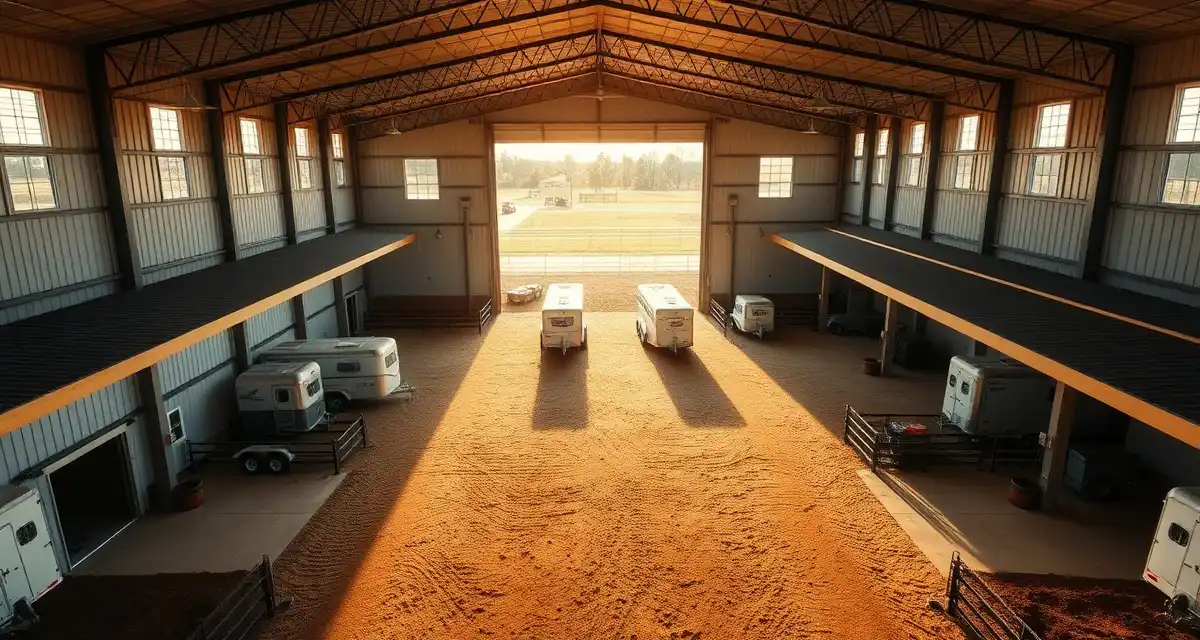
Barrel Racing Barn Seasonal Operations: Complete Guide for Facility Managers
Barrel racing is the fastest-growing western discipline with 200,000+ participants, and the competition calendar for those participants is relentless during peak season. Events run almost every weekend from early spring through late fall, and some circuits extend into winter for southern-based competitors. Managing a barrel racing facility across those seasons means managing both the intensity of peak competition and the strategic use of the off-season for conditioning, development, and facility maintenance.
TL;DR
- Effective barrel racing barn seasonal operations at equine facilities relies on consistent written protocols accessible to all staff.
- Digital records reduce errors and create the documentation needed during emergencies, audits, and client disputes.
- Owner visibility into their horse's daily care reduces communication friction and improves retention.
- Centralizing billing, health records, and scheduling in one platform outperforms managing separate tools.
- Staff adoption of digital tools improves when interfaces are mobile-friendly and task-based.
- BarnBeacon supports all core barn management functions from a single platform built for equine facilities.
This guide covers seasonal operations at barrel racing facilities, with specific attention to how competition frequency shapes management priorities across the year.
The Barrel Racing Seasonal Calendar
Spring (March through May). Competition season begins in earnest. Horses that have been conditioning through winter start running, often at smaller local events before moving to larger circuits. Entry deadlines stack up quickly. The training schedule at the facility becomes more fragmented as competition trips start.
Summer (June through August). Peak competition season for many barrel racing circuits. Events run almost every weekend. Travel frequency is at its highest. Heat management becomes an operational concern for both horses in training and horses hauling to events in high temperatures.
Fall (September through November). Major events and year-end circuit standings create competition pressure. Fall finals, futurity events for younger horses, and circuit championships fill the calendar. Many clients are chasing year-end points, which increases competition frequency in September and October.
Winter (December through February). Varies significantly by region. Southern-based facilities continue competing. Northern facilities transition to conditioning and development programs. Major events like the American and select futurity events may occur in winter and draw clients regardless of region.
Spring Season Operations
Spring is when the competition calendar goes from quiet to relentless almost overnight. Facilities that aren't prepared for that transition feel it immediately.
Entry management. As the season opens, entry deadlines arrive in quick succession. Some events require entries submitted weeks in advance. Build a tracking system for entry deadlines before the first event of the season, not when you're already behind.
Pre-season fitness assessment. Horses that have been in winter conditioning need a fitness assessment before they start competing. Are they fit enough for their planned competition frequency? Has their conditioning program prepared them for the demands of running at events? A veterinary check and trainer assessment in February or early March sets a baseline.
Haul fee structure confirmation. If your facility provides hauling, confirm your haul fee structure and communicate it to clients before the first trip of the season. Billing surprises in April are worse than billing surprises in November because the whole season is ahead.
Summer Season Operations
Heat and horse management. This is the most significant summer operational concern. Horses working in high temperatures and hauling to outdoor events in summer heat face elevated health risks. Morning training, shaded rest periods, adequate water access, and electrolyte support are all standard summer management practices.
Event haul management. Summer events often have heat management considerations at the venue as well: adequate water access for horses stalled at events, shading, and monitoring for heat-related stress during competition. Staff who travel to events need to know the heat monitoring protocols.
Staff vacation management. Summer is when staff want vacations. Build a vacation request deadline into your annual schedule (April 30, for example) so you can plan coverage before you're in the middle of competition season with coverage gaps.
Fall Season Operations
Year-end points pressure. For clients chasing year-end standings, fall is the highest-pressure period of the season. Competition frequency may peak in September and October. Monitor horse health and fitness carefully during this push: horses that are competing at maximum frequency need closer health monitoring and may need schedule adjustments if signs of cumulative stress appear.
Futurity preparation. If you have clients with younger horses pointing toward futurity events, fall is when those horses are in final preparation. The futurity timeline is specific and non-negotiable: the training plan needs to deliver a competition-ready horse at a fixed date.
Year-end billing and contract review. Fall is when you're planning for the next year. Board contract renewals, training program changes, and any billing structure adjustments for the coming year are best negotiated in fall rather than in January.
Winter Season Operations
For facilities in colder climates, winter is the planning and development window.
Conditioning programs. Horses coming off a long competition season benefit from a structured rest and rebuilding period. Well-managed conditioning through winter produces horses that are fit and fresh for spring rather than burnt out from year-round competition.
Facility maintenance. Winter is the best time for footing improvements, fence repairs, and facility projects that are difficult to complete when competition season is in full swing.
Young horse development. Winter is often the most productive time to develop younger horses whose learning isn't disrupted by the competition schedule of the facility's established horses.
Staff development. When training pressure is lower, training your staff is easier. Winter is the right time for skill development conversations and any formal training opportunities.
Using Software for Seasonal Operations
BarnBeacon's barn management software supports seasonal management with billing configurations that can change by season, health record tracking that spans the full year, and scheduling tools that accommodate the variable competition frequency of barrel racing season.
Entry deadline tracking, pre-season health assessment reminders, and year-end billing reconciliation tools are all supported within the platform.
For a full view of barrel racing facility operations year-round, see the barrel racing barn operations guide.
Frequently Asked Questions
How do barrel racing barn managers handle seasonal operations?
The most organized facilities plan each season's entry schedule before the first events of the season, conduct pre-season fitness assessments to confirm horses are ready for their competition plans, and use winter for conditioning programs and facility maintenance rather than maintaining competition intensity year-round.
What software do barrel racing facilities use for seasonal operations?
Barrel racing facilities benefit from software that handles entry deadline tracking, seasonal billing configurations, and health record systems that track competition frequency alongside health markers. BarnBeacon supports all three.
What are the unique seasonal operations challenges at barrel racing barns?
The relentless spring and summer competition calendar creates a rapid transition from off-season to full intensity that catches unprepared facilities off guard. Heat management during summer event travel, fall year-end points pressure that pushes competition frequency to unsustainable levels, and winter conditioning program management are all specific challenges at barrel racing facilities.
How is billing structured differently at a Barrel Racing facility compared to a general boarding barn?
Competition-focused facilities like Barrel Racing operations typically add event billing layers on top of standard board and training fees. These include entry fees, venue stabling, hauling, and professional services at shows. Capturing these charges in real time, at the event rather than from memory afterward, is the most important billing practice specific to competition-focused facilities.
What records are most important for Barrel Racing horses that travel to competitions?
Competition horses need their Coggins test results, current vaccination records, and a summary of any active health issues accessible from a phone for travel. Some venues require specific documentation at check-in. Health observations from the trip home, including any signs of travel stress, should be logged immediately on return so the training team can factor them into the recovery and reconditioning plan.
How do I track which horses are in the best condition for upcoming events?
Per-horse fitness and health records that log training load, competition history, and the trainer's condition assessments are the foundation for competition readiness decisions. A horse that competed three weekends in a row has a different physical profile than one resting for two weeks, and those decisions need to be based on documented history, not only the trainer's memory. Digital logs that capture each training session's intensity alongside health observations give the clearest picture.
What is Barrel Racing Barn Seasonal Operations: Complete Guide for Facility Managers?
This guide is a comprehensive resource for equine facility managers operating barrel racing barns. It covers how to manage operations across peak competition season—typically spring through late fall—and the strategic off-season period. Topics include written protocols, digital record-keeping, client communication, billing, health tracking, and staff management. The guide is designed to help facility managers run more organized, efficient barns while supporting the demanding schedules of barrel racing competitors and their horses throughout the year.
How much does Barrel Racing Barn Seasonal Operations: Complete Guide for Facility Managers cost?
This guide is free editorial content published on BarnBeacon. There is no cost to read or use the information provided. BarnBeacon does offer a paid barn management platform that supports the operational practices described in the guide—including billing, health records, scheduling, and owner communication—but accessing the article itself requires no subscription or purchase. Facility managers can apply the frameworks and checklists from the guide regardless of which tools or software they currently use.
How does Barrel Racing Barn Seasonal Operations: Complete Guide for Facility Managers work?
The guide works by walking facility managers through seasonal operational phases specific to barrel racing barns. It provides structured frameworks for peak season intensity—when events run nearly every weekend—and off-season periods focused on conditioning, development, and facility maintenance. Managers apply the guide by creating written protocols, adopting digital record systems, improving owner visibility into daily care, and centralizing key functions like billing and health tracking into a single management platform.
What are the benefits of Barrel Racing Barn Seasonal Operations: Complete Guide for Facility Managers?
Key benefits include reduced operational errors through consistent written protocols, improved client retention through better owner communication, fewer billing disputes thanks to digital records, and stronger emergency preparedness through centralized documentation. Facilities that implement the guide's practices report smoother staff coordination, especially during the high-volume spring and fall competition rush. Centralizing barn management functions also saves time compared to juggling multiple disconnected tools, allowing managers to focus on horse care and client satisfaction.
Who needs Barrel Racing Barn Seasonal Operations: Complete Guide for Facility Managers?
This guide is designed for managers and owners of barrel racing facilities, boarding barns that serve western sport competitors, and equine operations handling high client turnover during competition season. It is also relevant to barn staff responsible for daily care protocols, scheduling, and record-keeping. Any facility supporting horses that compete on a circuit-based calendar—whether regionally or nationally—will find the seasonal structure and operational checklists directly applicable to their day-to-day management challenges.
Related Articles
- Barrel Racing Barn Health Monitoring: Complete Guide for Facility Managers
- Barrel Racing Barn Owner Communication: Complete Guide for Facility Managers
Sources
- United States Equestrian Federation (USEF), competition rules and facility standards
- American Horse Council, equine industry economic and performance data
- American Association of Equine Practitioners (AAEP), equine athlete health and performance guidelines
- National Reining Horse Association (NRHA) or relevant discipline governing body, standards and resources
- University of Kentucky Equine Initiative, equine business and performance management resources
Get Started with BarnBeacon
BarnBeacon handles the competition billing complexity, health tracking, and owner communication demands that Barrel Racing facilities need, in one platform built for equine operations. Start a free 30-day trial to see how it fits your specific facility type and client mix.