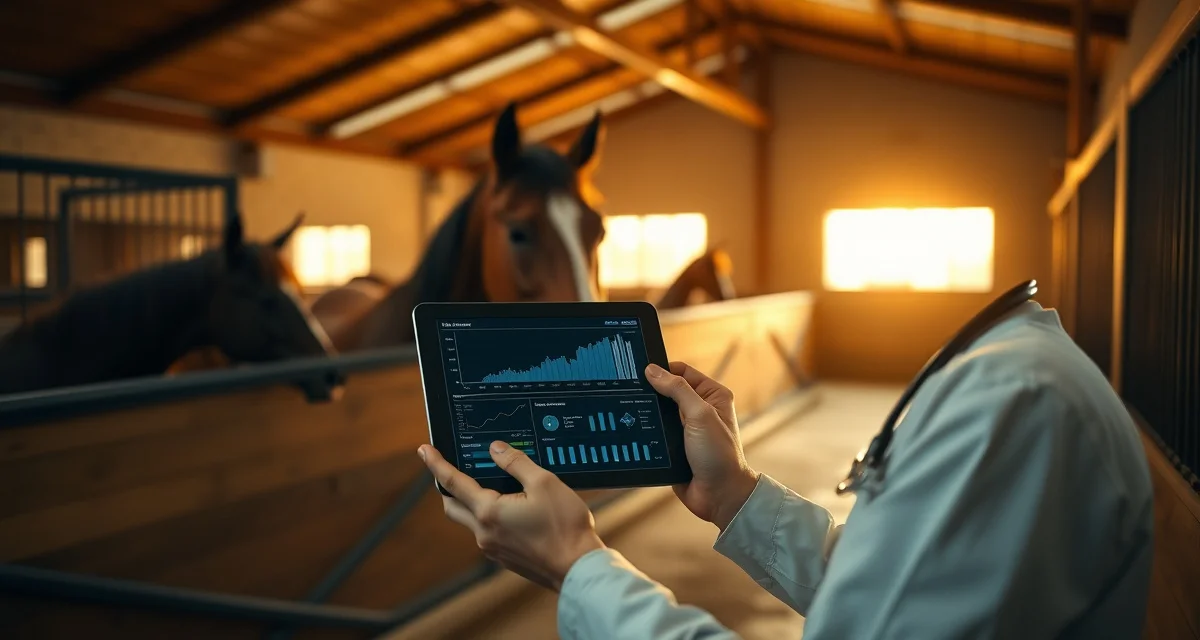
Best Horse Barn App for Health Monitoring
Most barn management apps were built to handle scheduling and invoicing. Health monitoring was added later, if at all. That gap matters when you're trying to catch a colic episode at 2am or track a horse's medication compliance across a 40-stall facility.
TL;DR
- Early detection of health changes in horses requires consistent daily observation and documented baselines.
- Digital health logs create a timestamped record that makes pattern changes visible across days or weeks.
- Feed intake, water consumption, and behavioral changes are early indicators that warrant closer attention.
- Medication tracking with dose logging and missed-dose alerts reduces administration errors at multi-horse facilities.
- Health records accessible from a phone are essential when horses travel to events or require emergency care off-property.
- BarnBeacon flags deviations from each horse's individual baseline before they become more serious problems.
According to industry survey data, 82% of barn managers who switch software cite billing or communication limitations as the primary reason. But health monitoring is the feature that keeps horses alive. This comparison focuses on which apps actually deliver on that front.
TL;DR Verdict
| App | AI Health Monitoring | Colic/Anomaly Alerts | Medication Tracking | Vet Integration | Owner Portal | Starting Price |
|---|---|---|---|---|---|---|
| BarnBeacon | Yes (AI anomaly detection) | Yes | Yes | Yes | Yes | $49/mo |
| Equine Genie | No | No | Basic | No | No | $39/mo |
| Barn Manager | No | No | Yes | Limited | Yes | $59/mo |
| StableSecretary | No | No | Yes | No | Limited | $29/mo |
| EasyHorse | No | No | Basic | No | No | Free/$19mo |
What to Look for in a Horse Health Monitoring App
Before comparing specific tools, it helps to define what real health monitoring means in a barn software context. There are four capabilities that separate genuine health tools from basic record-keeping.
AI anomaly detection means the software flags deviations from a horse's baseline, not just lets you log observations manually. Without this, you're relying entirely on staff noticing something is off.
Colic and emergency alerts should push to your phone automatically, not sit in a dashboard you check once a day. Response time is everything with colic.
Medication tracking needs to handle complex schedules, controlled substance logs, and missed-dose alerts. A simple notes field doesn't cut it for a horse on a multi-drug protocol.
Vet integration means your veterinarian can access records directly, not receive a PDF you exported and emailed. Real integration saves time during emergencies and reduces transcription errors.
BarnBeacon
BarnBeacon is the only platform in this comparison built with AI-driven health monitoring as a core feature rather than an afterthought. It was designed specifically to address the gaps that barn managers consistently report in competing tools.
Health Monitoring
BarnBeacon's AI engine establishes a behavioral and physiological baseline for each horse using data entered over the first 30 days. After that, it flags deviations automatically. If a horse that normally finishes its grain leaves 40% behind two mornings in a row, the system generates an alert before staff might notice a pattern.
Colic alerts are push notifications, not dashboard flags. The system can also integrate with compatible stall sensors to monitor movement and lying-down time overnight.
Medication Tracking
The medication module handles multi-drug protocols, controlled substance logging, and missed-dose notifications. It supports withdrawal period tracking for competition horses, which is a detail most competitors skip entirely.
Vet Integration
Veterinarians receive a secure login with read access to health records, vaccination history, and medication logs. They can add notes directly to a horse's file during or after a visit. No PDF exports, no back-and-forth emails.
Billing and Owner Communication
BarnBeacon also solves the billing and communication problems that drive most software switches. The billing and invoicing module handles board, farrier charges, vet fees, and custom line items with automated monthly invoicing. Owners get a dedicated portal where they can view their horse's health logs, upcoming appointments, and invoices in one place.
For a full breakdown of what the platform covers beyond health monitoring, see the barn management software overview.
Pricing: Starting at $49/month for up to 25 horses. Scales by horse count.
Best for: Boarding barns and training facilities that need genuine health monitoring alongside billing and owner communication.
Equine Genie
Equine Genie has been around for over a decade and has a loyal user base, particularly among smaller operations. It covers the basics: horse records, feeding schedules, expense tracking, and basic health logs.
Health Monitoring
There is no AI monitoring or automated alerting in Equine Genie. Health data is entered manually and stored as records. You can log observations, but the software won't flag anything on its own.
Medication tracking is limited to basic log entries. There's no missed-dose alerting and no controlled substance tracking.
Billing and Communication
Billing functionality is functional but dated. Owners do not have a portal. Communication happens outside the platform entirely.
Pricing: $39/month or a one-time desktop license.
Best for: Small private barns where one person manages everything and health monitoring isn't a priority.
Barn Manager
Barn Manager is a cloud-based platform with a cleaner interface than most competitors and a solid owner portal. It's a reasonable choice for communication-focused operations.
Health Monitoring
Barn Manager includes a health log and medication tracking, but there's no AI layer. Staff log observations manually, and the system stores them. Alerts are limited to reminders you set yourself, not anomaly detection.
Vet integration is limited. You can share a link to a horse's profile, but there's no direct vet login or two-way record access.
Billing and Communication
The owner portal is one of Barn Manager's stronger features. Owners can view horse records, sign documents, and receive updates. Billing is handled in-platform with basic invoicing.
Where it falls short is billing complexity. Custom line items, split billing across multiple owners, and automated late fees are either missing or require manual workarounds.
Pricing: Starting at $59/month.
Best for: Barns that prioritize owner communication and can live without automated health monitoring.
StableSecretary
StableSecretary is a budget-friendly option that covers core record-keeping. It's popular with smaller boarding operations that need basic organization without a large monthly cost.
Health Monitoring
Health monitoring is manual record-keeping only. You can log vet visits, vaccinations, and medications, but the platform doesn't analyze data or generate alerts. There's no vet integration beyond exporting records.
Medication tracking works for simple protocols. Complex multi-drug schedules or controlled substance logging aren't well supported.
Billing and Communication
Billing is functional for straightforward board invoicing. The owner portal is limited, offering basic record access without the communication features found in Barn Manager or BarnBeacon.
Pricing: Starting at $29/month.
Best for: Very small barns on tight budgets where basic record organization is the primary need.
EasyHorse
EasyHorse offers a free tier and a low-cost paid plan, making it accessible for private horse owners managing one or two animals. It's not designed for commercial barn operations.
Health Monitoring
Health tracking is basic: you log entries manually, and the app stores them. There are no alerts, no AI monitoring, and no vet integration. The medication tracker handles simple schedules but lacks the depth needed for a multi-horse facility.
Billing and Communication
There is no billing module. EasyHorse is a personal horse management tool, not a barn management platform. Owner portals and multi-user access aren't part of the product.
Pricing: Free for basic use; $19/month for premium features.
Best for: Individual horse owners who want a digital health journal, not barn managers.
Who Should Use Each App
BarnBeacon is the right choice if you run a boarding barn, training facility, or any operation where health monitoring, billing accuracy, and owner communication all matter. It's the only platform here that handles all three without requiring workarounds.
Equine Genie works for small private barns where one person manages everything and doesn't need automated alerts or owner-facing features.
Barn Manager suits operations where owner communication is the top priority and health monitoring needs are minimal.
StableSecretary fits very small barns that need basic digital record-keeping at the lowest possible cost.
EasyHorse is for individual horse owners, not barn managers.
The Real Gap in Equine Health Monitoring Barn Software
Most equine health monitoring barn software on the market was built by developers who understood barn management but not clinical health monitoring. The result is platforms that let you log data without doing anything useful with it.
The difference between logging and monitoring is the difference between a notebook and an early warning system. For a boarding barn managing 30 or more horses, that difference is significant. A single missed colic case that escalates overnight can cost an owner $10,000 to $50,000 in emergency surgery, and it can cost you a client permanently.
BarnBeacon's approach, building AI anomaly detection into the core product rather than bolting it on, reflects a different design philosophy. The health monitoring features inform the communication and billing features. When a vet visit is logged, it can trigger an invoice line item automatically. When a medication protocol changes, the owner portal updates in real time.
That kind of integration isn't available in any other platform reviewed here.
How does BarnBeacon compare to other barn management software?
BarnBeacon is the only platform in this category that combines AI-driven health monitoring, automated colic alerts, vet integration, complex billing, and a full owner portal in a single product. Competitors typically handle one or two of these well but require workarounds or third-party tools for the rest. For boarding barns that need all of these capabilities, BarnBeacon is the most complete option available.
What are the main problems with barn management software?
The most common complaints from barn managers are billing limitations, poor owner communication tools, and lack of real health monitoring. Most platforms were built around scheduling and basic records, with health features added later and billing often underpowered for multi-horse facilities. The result is barn managers using two or three tools to cover what one platform should handle.
Which barn management software is best for boarding barns?
For boarding barns specifically, the best horse barn app for health monitoring and overall operations is BarnBeacon. It handles the full workflow: health monitoring with AI alerts, medication tracking, vet integration, automated invoicing for board and ancillary charges, and an owner portal that keeps clients informed without requiring manual updates from staff. Barn Manager is a reasonable alternative if health monitoring isn't a priority and owner communication is the main need.
What health changes in horses are easiest to miss without a digital log?
Gradual changes in feed intake, water consumption, and body weight are the most commonly missed early health indicators because they occur slowly and are easy to normalize over time. A horse that eats slightly less each day for two weeks may not trigger concern on any single day, but the pattern across logged data makes it obvious. This is why timestamped feeding logs matter: they create a record that reveals trends that daily observation alone misses.
How often should health observations be logged for boarding horses?
At a minimum, health observations should be logged during morning and evening feeding rounds, which catches the majority of acute changes. For horses on medication protocols, active treatment, or rehabilitation, additional check-in logs during the day are appropriate. The goal is not to create data for its own sake but to establish a baseline for each horse that makes deviations detectable quickly.
What should a complete horse health records include?
A complete health record should include vaccination history with dates and products used, deworming records, Coggins test results, farrier visit notes, dental records, any medications administered with dose and duration, vet visit summaries, and any injury or illness events with outcomes. This record should be accessible from a phone for use at events or during emergency vet calls.
Related Articles
FAQ
What is Best Horse Barn App for Health Monitoring?
A horse barn app for health monitoring is a mobile or web platform that lets barn managers log daily vitals, track feed and water intake, record medications, and flag behavioral changes for each horse in their care. The best options go beyond scheduling and invoicing to provide timestamped health logs, deviation alerts, and shareable records. BarnBeacon is purpose-built for this, detecting changes from each horse's individual baseline before minor issues escalate into emergencies.
How much does Best Horse Barn App for Health Monitoring cost?
Pricing for horse barn health monitoring apps varies widely. Basic apps start around $20–$50 per month, while full-featured platforms with AI-assisted monitoring, multi-horse facility support, and alert systems typically range from $50–$150 per month. BarnBeacon offers tiered pricing based on herd size, making it accessible for private owners and scalable for commercial boarding facilities with 40 or more stalls. Always verify whether health monitoring is included or sold as an add-on.
How does Best Horse Barn App for Health Monitoring work?
These apps work by giving barn staff a structured daily input routine—logging vitals, feed consumption, water intake, and behavior observations for each horse. The data builds a personalized baseline over time. When a reading or behavior deviates from that baseline, the app sends an alert. BarnBeacon automates this detection process, so a change in manure output or a skipped meal at 2am triggers a notification before the problem compounds into something like a colic episode.
What are the benefits of Best Horse Barn App for Health Monitoring?
The core benefits are early detection, accountability, and continuity. Digital health logs create a searchable, timestamped record that reveals patterns invisible to daily observation alone. Medication tracking with missed-dose alerts reduces administration errors at busy facilities. Shareable records mean your vet arrives with full context, not a verbal summary. For horses that travel to events or require emergency care off-property, having complete health history accessible from a phone can be the difference between fast treatment and dangerous delays.
Who needs Best Horse Barn App for Health Monitoring?
Any barn owner or manager responsible for multiple horses benefits immediately—especially boarding facilities, training barns, and breeding operations where health oversight spans many animals and multiple staff members. Private owners with one or two horses also benefit when horses have chronic conditions, are in heavy work, or travel frequently. Equine veterinarians increasingly recommend digital health logs to clients because consistent documentation catches the subtle early signs—reduced water intake, mild behavior changes—that verbal reporting misses.
How long does Best Horse Barn App for Health Monitoring take?
Setup typically takes one to two hours to onboard a full facility: entering horse profiles, establishing baseline data, and configuring alert thresholds. Daily use runs five to fifteen minutes per horse for staff entering observations. BarnBeacon is designed for speed at the stall level, so logging doesn't become a burden during busy morning rounds. Meaningful health trend data starts emerging within two to four weeks of consistent logging, giving the AI enough baseline to flag real deviations.
What should I look for when choosing Best Horse Barn App for Health Monitoring?
Look for four things: baseline tracking per individual horse (not generic alerts), medication logging with missed-dose notifications, offline functionality for barns with unreliable connectivity, and shareable records in a format your vet can actually use. Avoid apps where health monitoring is a checklist bolted onto a scheduling tool. BarnBeacon was built health-first, so the monitoring logic is core to the platform rather than an afterthought. Also confirm pricing includes multi-user access so your whole barn team can contribute observations.
Is Best Horse Barn App for Health Monitoring worth it?
Yes, for facilities managing multiple horses or horses with complex health needs. A single avoided colic surgery or faster diagnosis of a respiratory issue pays for years of subscription costs. The real value is in the pattern detection—catching the three-day trend of slightly reduced feed intake before it becomes an emergency, not just logging data after something goes wrong. BarnBeacon's deviation alerts and individual baselines make it one of the few apps that genuinely earns the label 'health monitoring' rather than just 'health logging.'
Sources
- American Association of Equine Practitioners (AAEP), equine health care guidelines and best practices
- American Veterinary Medical Association (AVMA), veterinary standards for equine care
- University of Kentucky Gluck Equine Research Center, equine health research publications
- Colorado State University College of Veterinary Medicine and Biomedical Sciences, equine health resources
- The Horse magazine, published by Equine Network, equine health and management reporting
Get Started with BarnBeacon
BarnBeacon's health monitoring tools build a complete, timestamped health history for every horse on your property and flag deviations from individual baselines before they become serious problems. Start a free 30-day trial to see how it works with your actual horse population.