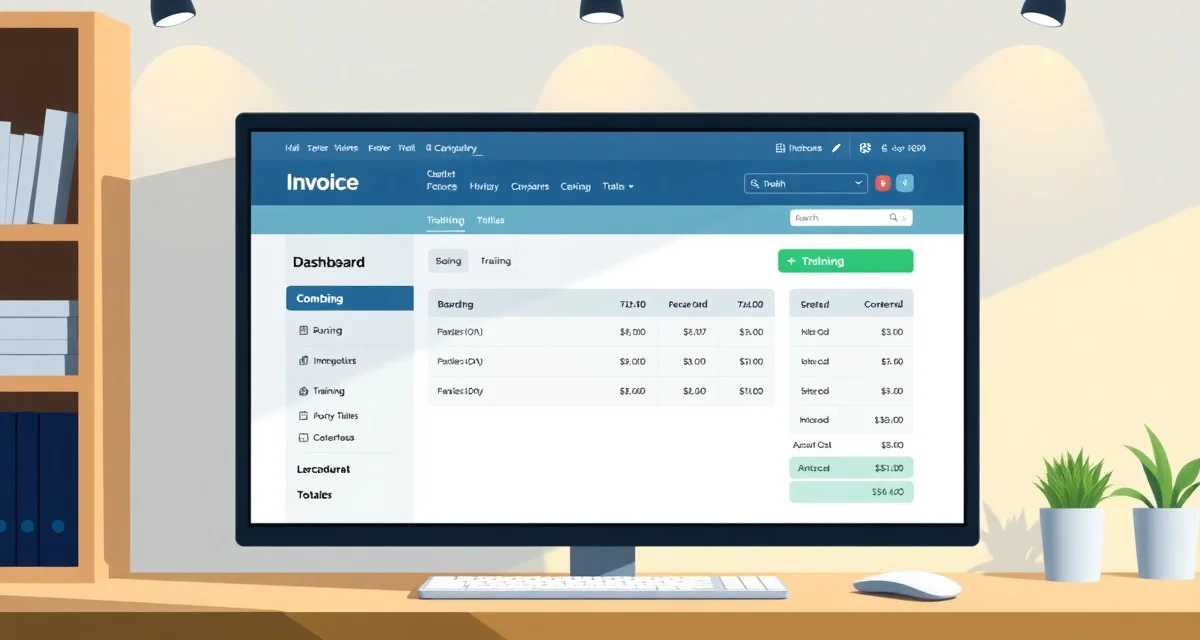
Boarding and Training Billing: Managing Combined Charges
Billing for a facility that offers both boarding and training services requires handling two fundamentally different charge structures in the same monthly invoice. Board charges are recurring and predictable. Training charges are variable and depend on what sessions actually occurred. Getting both right on a single, clear invoice requires a system designed for this combination.
The Challenge of Combined Billing
The main challenge is that training billing happens on a different cadence than boarding billing. Board charges are set at the start of each month and don't change unless something changes for that horse. Training charges accumulate throughout the month as lessons and training rides occur.
At invoice time, you need to combine:
- A fixed monthly board charge
- A variable total for all training sessions that occurred during the billing period
- Any other add-on charges (supplements, blanketing, medication)
Doing this accurately requires that training sessions are logged in real time as they occur, not reconstructed at the end of the month. A trainer who logs sessions immediately after they happen gives you accurate billing data. A trainer who tries to remember at the end of the month what happened in each session gives you approximations that lead to billing disputes.
Structuring the Invoice
A combined boarding-training invoice should show these as separate categories:
Board charges:
- Full board (or whatever package): $X
Training charges:
- 8 half-hour lessons @ $50 each: $400
- 4 trainer rides @ $75 each: $300
- Total training: $700
Add-ons:
- Blanketing, monthly: $55
Total due: $X
This structure lets clients verify each component independently and ask specific questions if something doesn't match their expectation. An undifferentiated total of "$1,605" generates more questions than itemized charges that add up to the same amount.
Package-Based Training Billing
If your training clients are on a monthly training package (e.g., "Training board: 4 trainer rides plus 2 lessons included in $1,200/month flat rate"), the billing is simpler: one line item for the package. The complexity shifts to tracking that the package sessions are actually being delivered, so clients get what they're paying for.
Session logs in BarnBeacon track package usage and show what's been delivered versus what's remaining in each period. This transparency builds client confidence and reduces "I'm not sure I'm getting my money's worth" conversations.
Handling Make-Up Sessions and Cancellations
Training billing disputes often arise from make-up session policies. When a client cancels a lesson with short notice, are they charged? When the trainer cancels, is the session credited? Define this clearly in your boarding contract or lesson agreement and apply it consistently.
BarnBeacon's session logging allows make-ups and cancellations to be noted in the session record, so there's a complete picture of what was scheduled vs. what was delivered when billing questions arise.
For the full billing framework, see boarding and training billing and barn billing invoicing. For managing the lesson program, see boarding lesson management.
FAQ
What is Boarding and Training Billing: Managing Combined Charges?
Boarding and training billing is the process of combining fixed monthly board charges with variable training session fees into a single, accurate client invoice. Unlike board-only facilities, combined operations must track two fundamentally different charge types: predictable recurring board fees and session-by-session training charges that accumulate throughout the month. A proper system logs both in real time and merges them cleanly at billing time, reducing disputes and administrative overhead.
How much does Boarding and Training Billing: Managing Combined Charges cost?
There is no standard price for combined billing management—costs depend on whether you use dedicated equine management software, a general invoicing tool, or manual spreadsheets. Software solutions typically range from $50 to $200 per month depending on horse count and features. The real cost of not having a system is lost revenue from unlogged sessions, billing disputes, and hours spent reconstructing training records at month-end.
How does Boarding and Training Billing: Managing Combined Charges work?
Combined billing works by maintaining two parallel tracking streams that merge at invoice time. Board charges are set once per horse at the billing period start. Training charges are logged immediately after each session by the trainer. At month-end, the billing system pulls both streams—plus any add-ons like supplements or blanketing—into one itemized invoice per client, showing exactly what occurred and what is owed.
What are the benefits of Boarding and Training Billing: Managing Combined Charges?
The primary benefit is billing accuracy. When training sessions are logged in real time and board charges are pre-set, invoices reflect what actually happened rather than approximations. This reduces client disputes, improves cash flow predictability, and builds trust. Secondary benefits include clearer records for trainers, easier audit trails if a charge is questioned, and less time spent on month-end reconciliation across multiple service types.
Who needs Boarding and Training Billing: Managing Combined Charges?
Any equine facility offering both board and training services needs a combined billing approach—whether that is a full-service show barn, a dressage or hunter-jumper training operation, or a small private facility with a few training clients. It is especially critical when multiple trainers work the same horses, or when clients mix board levels and training packages, making manual tracking error-prone and time-consuming.
How long does Boarding and Training Billing: Managing Combined Charges take?
Setting up a combined billing system typically takes one to two weeks: configuring board rates per horse, establishing training service codes, and training staff to log sessions at the time they occur. Once running, monthly billing should take a few hours rather than a full day. The ongoing time investment is directly proportional to how consistently trainers log sessions throughout the month rather than batching entries at month-end.
What should I look for when choosing Boarding and Training Billing: Managing Combined Charges?
Look for a system that separates board and training charge types clearly, allows session-level logging with timestamps, and generates itemized invoices clients can read without calling to ask questions. Trainer accountability features—who logged what and when—are valuable for dispute resolution. Integration with payment processing reduces follow-up. Avoid generic invoicing tools that require manual workarounds to handle recurring and variable charges simultaneously.
Is Boarding and Training Billing: Managing Combined Charges worth it?
Yes, for any barn running both services at meaningful volume. The alternative—manual reconciliation at month-end—consistently produces missed charges, billing errors, and client friction. A structured combined billing system pays for itself quickly through recovered revenue from sessions that would otherwise go unbilled, reduced dispute resolution time, and faster payment cycles when clients receive clear, itemized invoices they trust.