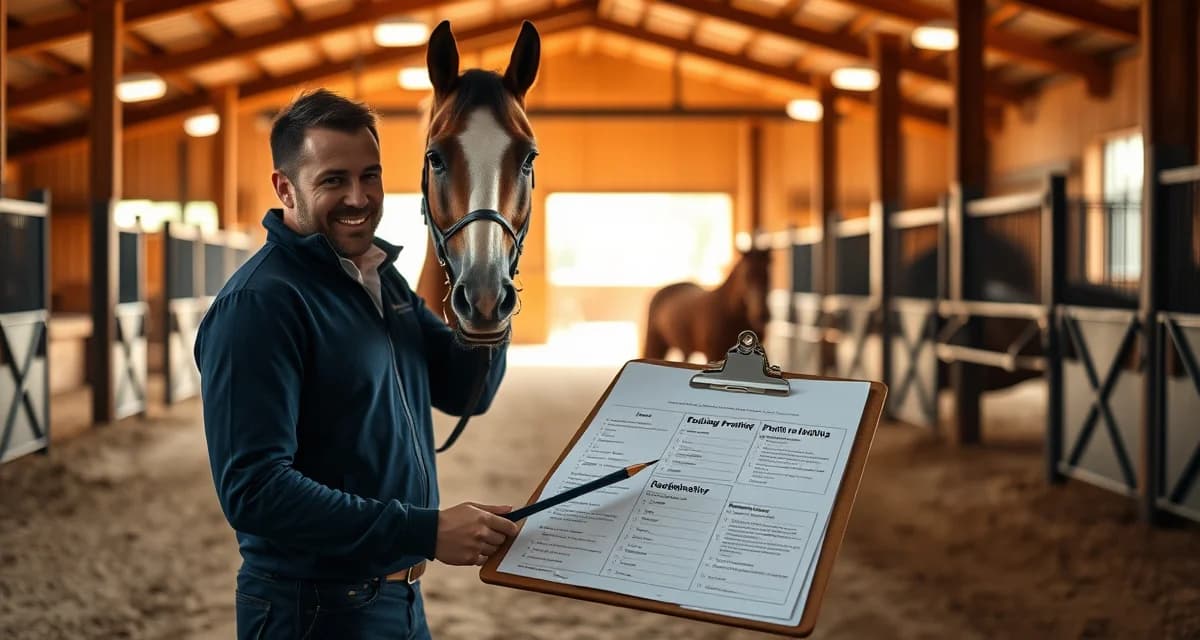
Equine Training Program Management: Setting Up and Running a Professional Program
Setting up a training program is one thing. Running it consistently, billing for it accurately, communicating about it professionally, and managing the operational complexity of multiple horses in various stages of training is another. The facilities that do this well have explicit systems for each component rather than relying on informal processes that work until the program grows or key staff change.
Program Design and Service Definitions
The first step in managing a training program is defining exactly what you are selling. Vague program descriptions lead to misaligned expectations and billing disputes. A well-defined training program specifies:
What is included: Number of rides per week, ride duration, disciplines covered, whether ground work is included, whether the trainer is present for owner rides, whether show preparation is a separate service or included.
What is not included: Farrier charges, veterinary fees, show entry fees, transportation, extra rides above the base program level.
How progress is communicated: Format and frequency of updates.
Contract terms: Minimum commitment period (monthly, quarterly, full season), cancellation notice required, what happens if the horse is injured during the contract period.
Having these answers in writing before selling the program prevents the most common conflicts.
Pricing Your Training Program
Training program pricing should reflect the actual cost of delivering the service plus an appropriate margin. Common pricing pitfalls:
Underpricing to fill slots: A training program priced below the cost of delivery is not a sustainable business. Calculate the trainer's time per horse per week, overhead allocated to each training horse (arena use, equipment, facility wear), and set a price that makes sense.
Not accounting for variable work: A horse that is in six days of work per week costs more to train than a horse in three days. If your program has varying intensity levels, price them differently rather than averaging.
Not separating training from board: Bundling board and training into a single price makes it easier to sell but harder to adjust when either component changes. Separating the fees gives you flexibility to update training prices without a full board repricing.
Enrollment and Intake
When a horse enters the training program, a structured intake process sets the relationship up correctly. This includes:
- A baseline assessment ride or ground evaluation to establish the horse's current level
- Written documentation of the training goals and the starting point
- Review and signing of the training contract
- Health record review to confirm the horse is current on vaccines, farrier, and dental
- Owner communication about the trainer's communication style and schedule
The intake is also when the trainer and owner establish mutual expectations. This is the right time to discuss realistic timelines (not "three months and your horse will be ready for the show ring" without evidence), training philosophy, and what constitutes a training success for this particular horse.
Tracking Horses in the Program
With multiple horses in training at various stages, a tracking system that shows the current status of each horse prevents program management from becoming reactive. Useful information to maintain for each horse in training:
- Current training focus and recent progress notes
- Upcoming competition schedule and preparation timeline
- Health status flags that affect training (on stall rest, recovering from a vaccine reaction, waiting for farrier)
- Billing status and last invoice date
- Owner contact preferences and communication frequency expectations
Billing for Training Services
Training billing is complicated by the variable nature of training services. A standard monthly board fee is simple to bill. Training charges that vary by month, include extra services, or have been modified due to time off for illness or injury require more careful tracking.
BarnBeacon tracks training charges alongside board and pass-through charges, producing a single itemized invoice that shows the complete picture of what the owner owes and why. For more on the operational management of a training facility, see equine training facility management. For client communication practices within a training program, see equine training management.
A well-run training program with clear documentation and consistent communication is the most powerful client retention tool any training facility has.
FAQ
What is Equine Training Program Management: Setting Up and Running a Professional Program?
Equine Training Program Management refers to the structured systems and processes used by professional barns to design, deliver, and administer horse training services. It covers everything from defining program tiers and services to billing, client communication, and tracking each horse's progress through various training stages. A well-run program replaces informal, person-dependent workflows with documented processes that scale as the facility grows.
How much does Equine Training Program Management: Setting Up and Running a Professional Program cost?
Costs vary widely based on discipline, trainer credentials, and program intensity. Basic ground work programs may start around $500–$800/month, while full training rides with show preparation can range from $1,200 to $3,000+ monthly. Facilities typically offer tiered packages. Always clarify what is included versus billed separately—farrier, vet, transport, and show fees are commonly excluded from base program pricing.
How does Equine Training Program Management: Setting Up and Running a Professional Program work?
A professional equine training program works by defining clear service tiers, assigning horses to trainers, scheduling rides, and tracking progress against stated goals. Clients receive regular updates in an agreed format—written reports, video, or in-person sessions. Billing is generated on a consistent cycle tied to the service agreement, and contracts specify minimums, cancellation terms, and how injuries or absences are handled.
What are the benefits of Equine Training Program Management: Setting Up and Running a Professional Program?
A structured training program benefits both the facility and the horse owner. Facilities gain predictable revenue, reduced billing disputes, and scalable operations that don't depend on one person's memory. Owners benefit from transparency—knowing exactly what their horse receives each week, how progress is measured, and what additional costs may arise. Clear communication builds trust and long-term client retention.
Who needs Equine Training Program Management: Setting Up and Running a Professional Program?
Any barn offering training services beyond casual lessons needs formal program management—especially facilities with multiple horses in training simultaneously. Trainers moving from informal arrangements to a professional business model, barn managers overseeing staff trainers, and equestrian facilities planning to grow their boarding-and-training revenue all benefit from implementing explicit systems before operational complexity outpaces informal processes.
How long does Equine Training Program Management: Setting Up and Running a Professional Program take?
Program setup—defining tiers, writing contracts, and establishing billing workflows—typically takes one to four weeks depending on the facility's current systems. Onboarding a horse into an active program takes one to two weeks for intake assessment and goal-setting. Actual training programs run on client-defined timelines, commonly three to six month commitments, with progress reviewed at regular intervals throughout the engagement.
What should I look for when choosing Equine Training Program Management: Setting Up and Running a Professional Program?
Look for clear written service definitions specifying rides per week, duration, disciplines, and what is explicitly excluded. Evaluate the communication structure—how often you receive updates and in what format. Review contract terms around cancellation notice, injury policies, and billing cycles. Ask how progress is tracked and whether goals are set collaboratively. A facility with documented processes signals professionalism and reduces the risk of disputes.
Is Equine Training Program Management: Setting Up and Running a Professional Program worth it?
Yes, for barns serious about training as a revenue stream, formal program management is worth the investment. Facilities that rely on informal processes consistently face billing disputes, miscommunication, and revenue loss when staff turns over. Documented systems protect both parties, support higher program pricing through perceived professionalism, and create a foundation for growth. The upfront work of defining programs and contracts pays dividends in client retention and operational stability.