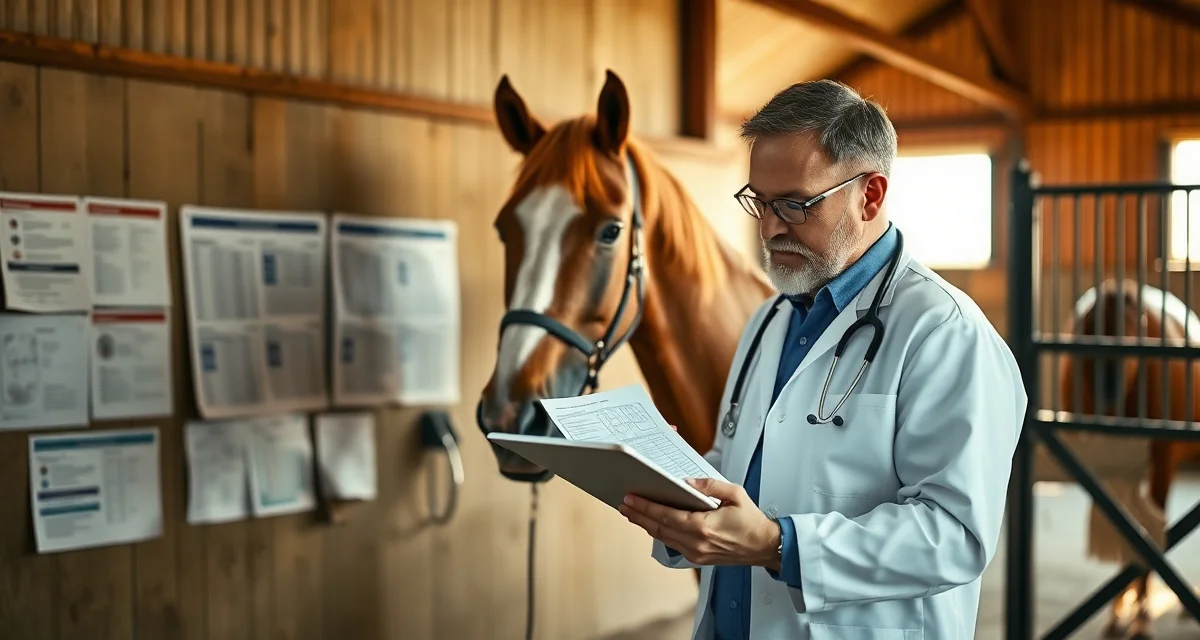
Documenting Health Events at a Horse Barn
Good health event documentation is one of the most underrated skills in barn management. When a horse colics at 11 PM on a Friday, your ability to pull up that animal's recent feed changes, medication history, and prior GI issues could save its life. Documentation is not paperwork for its own sake. It is a record you build so that when something goes wrong, you have answers fast.
What Counts as a Health Event
Not every health observation rises to the level of a documented event, but the bar should be lower than most barn managers set it. At minimum, document anything that causes you to change your routine for that horse.
That includes:
- Lameness, even mild or intermittent
- Any sign of colic, including mild pawing or off-feed behavior
- Eye discharge, swelling, or cloudiness
- Skin conditions, rain rot, scratches, hives
- Respiratory symptoms such as nasal discharge or cough
- Wounds, lacerations, and abrasions
- Any behavioral change that seems out of character
- Reactions to vaccines or medications
- Vet or farrier findings noted during routine visits
If you are unsure whether something is worth writing down, write it down. The cost of a brief note is almost nothing. The cost of missing a pattern is potentially significant.
What to Include in Each Entry
Every health event record should capture the basics consistently so you can compare entries over time.
Date and time. You need to know when you noticed something, not just that it happened. Patterns often reveal themselves through timing.
Who observed it. Staff observations vary in detail and interpretation. Knowing that a particular groom noticed something helps you weight the information.
Description of the finding. Be specific rather than vague. "Off feed this morning, left 3/4 of grain, manure appeared dry, gut sounds present both sides" is far more useful than "not feeling well."
Vital signs if taken. Temperature, pulse, and respiration should be logged with the time they were taken.
Actions taken. Record what you did, when you did it, and who you called.
Outcome. Once the episode resolves, note how and when.
Building a System That Staff Will Actually Use
The best documentation system is the one people actually use. If your process requires hunting for a binder, finding a pen, deciphering someone else's handwriting, and then filing the paper somewhere retrievable, it will not get done consistently.
BarnBeacon provides a straightforward way to log health events directly from a phone or tablet, which means staff can record observations while they are standing in the stall rather than hoping they remember the details later. Entries attach directly to each horse's profile so the record stays connected to the animal.
Training matters too. Walk new staff through how you define a health event and what level of detail you expect. Show them examples of good entries. Make it clear that brief and accurate beats nothing at all.
Connecting Health Events to Other Records
Health event documentation becomes more powerful when it connects to the rest of your records. A colic episode should be visible in the same place as recent feed changes. A lameness flare should show up alongside farrier visit notes. A vet call should link to the treatment instructions that followed.
When records are siloed, you have to do the detective work yourself every time. When they are connected, patterns emerge naturally. You might notice that a particular horse has a mild colic every time you switch hay sources, or that a recurring lameness lines up with a specific exercise schedule.
Sharing Records With Owners and Vets
One common frustration for horse owners is finding out about a health event after the fact with very little detail. Good documentation solves this problem. When you have a clear record of what happened, when, and what you did about it, owners feel informed rather than anxious.
Vets benefit from the same documentation. When your vet arrives for a call, handing them a written summary of recent events, previous episodes, and current medications saves time and improves the quality of care. It also signals that you are running a professional operation.
Keep health event records for the life of the horse's time in your barn, and export them when a horse leaves so the record travels with the animal. Horse transfer records should include a summary of significant health events as part of the departure documentation.
For medication given in connection with a health event, cross-reference your health logging and medication tracking records so treatment history is easy to follow.
When to Call a Vet
Documentation is not a substitute for veterinary care. Use your records to inform the call, not to delay it. If you have documented a pattern that concerns you, share it directly. "This is the third time in six weeks this horse has had mild colic symptoms" is actionable information your vet can use.
FAQ
What is Documenting Health Events at a Horse Barn?
Documenting health events at a horse barn means creating written records of any medical observation, behavioral change, or physical symptom noticed in your horses. This includes tracking lameness, colic signs, wounds, medication reactions, and vet or farrier findings. The goal is to build a detailed health timeline for each animal so that patterns can be identified, treatments can be coordinated, and critical information is immediately available during emergencies.
How much does Documenting Health Events at a Horse Barn cost?
Health event documentation itself has no direct cost beyond the time it takes to record entries. Many barn managers use free tools like spreadsheets or notes apps, while dedicated barn management software ranges from free tiers to paid subscriptions. The real financial value is in what documentation prevents: missed diagnoses, repeated vet calls for the same unresolved issue, and delayed treatment that turns a minor problem into a major one.
How does Documenting Health Events at a Horse Barn work?
Each time a health-relevant observation is made, the barn manager or handler logs a timestamped entry tied to that specific horse. The entry typically includes what was observed, when, under what conditions, any action taken, and who was notified. Over time these entries build a medical history that vets can reference during visits, owners can review remotely, and staff can consult when a horse shows recurring or escalating symptoms.
What are the benefits of Documenting Health Events at a Horse Barn?
Consistent health documentation helps detect patterns before they become emergencies, improves communication between barn staff, vets, farriers, and owners, and creates a defensible record if liability questions arise. It also speeds up triage during after-hours emergencies by giving the attending vet immediate context. Horses with documented histories tend to receive faster and more accurate treatment because the guesswork is removed from the diagnostic process.
Who needs Documenting Health Events at a Horse Barn?
Anyone responsible for the care of horses benefits from health event documentation, including professional barn managers, private owners with multiple horses, equine facility operators, and veterinary staff. It is especially critical in multi-horse operations where different people handle animals across shifts. Even solo horse owners managing a single animal benefit, as memory alone is unreliable when symptoms are subtle, recurring, or separated by weeks.
How long does Documenting Health Events at a Horse Barn take?
Individual entries typically take two to five minutes to write. The habit is the hard part, not the time. Setting a consistent trigger, such as logging immediately after a vet call or at the end of each barn check, helps make documentation routine rather than reactive. Over a month, a well-maintained log might represent only one to two hours of total time while providing a health record that covers hundreds of individual observations.
What should I look for when choosing Documenting Health Events at a Horse Barn?
Look for a documentation approach that is quick to use in the moment, accessible to multiple people simultaneously, and tied directly to individual horses rather than a general barn log. The system should support timestamped entries, allow photo attachments for wounds or swelling, and make historical records searchable by date or symptom type. Whether you use software or a structured paper system, consistency and completeness matter more than the specific tool.
Is Documenting Health Events at a Horse Barn worth it?
Yes. The value of health event documentation becomes obvious the moment you need it: a colic at midnight, a recurring lameness that no one connected to a farrier change three months ago, an insurance claim requiring proof of prior care. The effort per entry is minimal, but the cumulative record becomes one of the most useful assets in your barn. Experienced barn managers consistently cite documentation as one of the habits they wish they had started sooner.