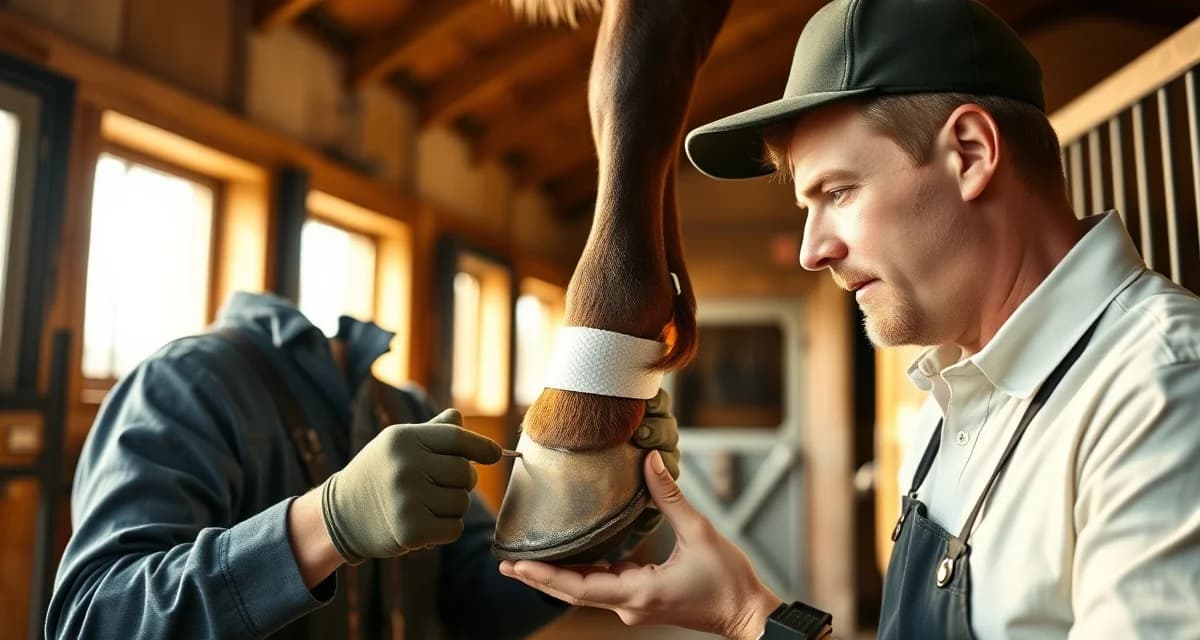
Tracking Hoof Care: Farrier Visits, Notes, and Issues
Hoof care is one of the most consistent maintenance needs in a horse barn, and it is one of the easier areas to let slip without a solid tracking system. Farrier visits happen on a cycle, but not all horses are on the same cycle, not all work is the same, and issues that develop between visits need to be documented so your farrier has context when they arrive.
What to Track for Each Horse
Every horse in your barn should have a hoof care record that includes:
Farrier visit history. Date of every visit, what was done (trim, shoe reset, new shoes, specific shoe type), cost, and any notes from the farrier.
Shoeing type and specifications. Is this horse barefoot? What shoe type when shod? Any pads, wedges, or corrective modifications? This matters especially when a regular farrier is unavailable and another needs to step in.
Hoof condition notes. Quality of hoof wall, white line condition, any thrush, any bruising observed.
Issues flagged. Anything the farrier noted that warrants monitoring or vet follow-up.
Observations between visits. Any lameness, chips, cracks, pulled shoes, or abnormalities you or staff noticed.
Next scheduled visit. When is the farrier expected back?
Setting Up Visit Cycles
Horses vary considerably in how quickly their hooves grow and how long they can comfortably go between farrier visits. A barefoot horse on good footing might be fine on an eight-week cycle. A shod performance horse might need attention every five to six weeks. A horse with hoof quality issues might need to be seen every four weeks.
Establish the appropriate cycle for each horse in consultation with your farrier and record it as a standing schedule. Then use your management system to track when visits are coming due.
BarnBeacon can flag horses that are approaching or past their scheduled farrier interval, which is particularly useful in a busy barn where thirty horses might not all be on the same schedule.
Communicating Between Your Farrier and Your Vet
Some hoof issues require collaboration between your farrier and your vet. Laminitis, navicular syndrome, white line disease, coffin bone concerns, and certain shoeing modifications for lameness management all involve both providers.
When this is the case, make sure both your farrier and your vet have access to the same records. Document every recommendation from each, note when the recommendations align or differ, and keep a clear record of what decisions were made and why.
Misunderstandings between farriers and vets about treatment approaches happen partly because records are not shared. A documented treatment history eliminates many of these misunderstandings.
Tracking Pulled Shoes and Hoof Emergencies
Pulled shoes are a near-universal barn occurrence. When a shoe comes off, document when it happened, which foot, how the horse is moving without it, and when the farrier was contacted.
If a horse loses a shoe on a weekend and your farrier cannot come until Monday, note whether the horse was turned out or stalled, whether the hoof appears damaged, and what steps you took to protect the foot in the interim.
This record serves two purposes. It shows owners that the situation was handled promptly and professionally. And it gives your farrier context about what the hoof went through between the lost shoe and the reset.
Noting Issues Between Farrier Visits
Between farrier visits, staff should observe hoof condition as part of routine daily checks. Things worth logging:
- Any new chipping or cracking
- Signs of thrush (black discharge, softening of frog, odor)
- Any asymmetry in wear between shoes
- Any changes in the horse's movement that might be hoof-related
- Loose shoes (any movement when you tap the shoe)
Brief notes between visits give your farrier a more complete picture when they arrive. Instead of "he's been slightly off" with no context, you can say "staff noticed intermittent short-striding on the left front beginning approximately ten days ago, no loose shoe found."
Using Hoof Records for Long-Term Management
Hoof care records accumulate into a meaningful long-term record if you maintain them consistently. Over two or three years, you can see patterns: whether a horse's hoof quality improves with a different supplement, whether a change in shoeing type correlates with fewer lameness episodes, whether a particular footing at your facility is hard on one horse's feet.
Connect hoof care records to the broader horse health records system so hoof-related lameness events are visible alongside the farrier history. This gives your vet and farrier the fullest possible picture when evaluating a horse with recurring hoof problems.
FAQ
What is Tracking Hoof Care: Farrier Visits, Notes, and Issues?
Tracking hoof care for farrier visits, notes, and issues means maintaining a structured record for each horse that documents every farrier appointment, the type of work performed, shoeing specifications, hoof condition observations, and any concerns flagged between visits. Rather than relying on memory or scattered notes, a proper tracking system gives barn managers and farriers a clear, continuous history that supports better decisions and earlier detection of developing hoof problems.
How much does Tracking Hoof Care: Farrier Visits, Notes, and Issues cost?
Tracking hoof care itself has no direct cost—it's a management practice, not a service. The tools you use range from free (notebooks, spreadsheets) to low-cost barn management apps with dedicated farrier scheduling features. The real financial value is in what good tracking prevents: missed appointments, duplicate work when subs step in, or delayed response to hoof issues that escalate into vet bills. Organized records typically pay for themselves quickly in time saved and problems avoided.
How does Tracking Hoof Care: Farrier Visits, Notes, and Issues work?
Hoof care tracking works by creating a dedicated record for each horse that logs farrier visit dates, services rendered, shoe type and specifications, farrier notes, and staff observations between visits. You also set and track the next scheduled appointment based on that horse's individual growth cycle. When the farrier arrives, they have full context. When staff notice a pulled shoe or crack between visits, there's a clear place to document it so nothing gets lost.
What are the benefits of Tracking Hoof Care: Farrier Visits, Notes, and Issues?
A consistent hoof care tracking system keeps every horse on the right schedule, prevents appointments from slipping during busy periods, and ensures your farrier arrives informed rather than starting from scratch. It protects continuity when a substitute farrier is needed, since shoeing specs are documented. It also creates an early-warning system—staff observations logged between visits can catch developing issues before they become lameness or injury, reducing vet costs and downtime.
Who needs Tracking Hoof Care: Farrier Visits, Notes, and Issues?
Any barn managing more than one or two horses benefits from structured hoof care tracking. It's especially valuable for boarding facilities where multiple horses have different farriers and schedules, for performance barns where hoof condition directly affects soundness and competition readiness, and for any operation with multiple staff members who may observe issues at different times. If you've ever missed a farrier appointment or had a sub show up without knowing a horse's shoeing history, this system is for you.
How long does Tracking Hoof Care: Farrier Visits, Notes, and Issues take?
Setting up a hoof care tracking system takes a few hours initially—creating records for each horse with their current shoeing specs, last visit date, and next scheduled appointment. Once established, maintaining it takes only minutes per visit or observation. The ongoing time investment is minimal compared to the time lost chasing down farrier history, coordinating catch-up appointments, or managing hoof problems that weren't caught early because no one documented what they noticed.
What should I look for when choosing Tracking Hoof Care: Farrier Visits, Notes, and Issues?
Look for a system that makes logging quick enough that staff will actually use it consistently. It should capture visit date, service type, shoeing specifications, farrier notes, and next appointment in one place. Scheduling reminders are a major plus so upcoming visits don't slip. If you run a multi-horse facility, filtering records by horse and viewing upcoming appointments across the whole barn is essential. Bonus: the ability to flag between-visit observations and attach them to the next visit.
Is Tracking Hoof Care: Farrier Visits, Notes, and Issues worth it?
Yes. Hoof care is one of the highest-frequency recurring maintenance tasks in a barn, and it directly affects horse soundness. Without a tracking system, it's easy for schedules to drift, shoeing specs to be forgotten when a regular farrier is unavailable, or staff observations to go undocumented until they become serious problems. A simple, consistent tracking system reduces those risks with minimal effort and gives every horse in your care the continuity of care their hoof health requires.