How to Start a Horse Boarding Barn: Complete Guide
Starting a horse boarding barn is one of the most searched questions among equestrian entrepreneurs, and for good reason: the path from pasture to profitable operation involves zoning law, liability exposure, facility standards, and client management all at once. This guide answers the question directly, with the practical depth that barn managers actually need.
TL;DR
- Effective barn management requires systems that match actual daily workflows, not adapted generic tools
- Per-horse record keeping with digital access reduces the response time to owner questions from hours to seconds
- Automated owner communication and health alerts reduce inbound calls while increasing owner satisfaction and retention
- Billing errors cost barns thousands of dollars annually; point-of-service charge logging is the most effective prevention
- Staff accountability systems with named task assignments and completion logs prevent care gaps without micromanagement
- Purpose-built equine software connects health records, billing, and owner communication in one place
The Short Answer
To start a horse boarding barn, you need: properly zoned land, a compliant facility, a registered business entity, liability insurance, a boarding agreement, and a plan to attract and retain clients. Each of those steps has real complexity underneath it, and skipping any one of them creates problems that are expensive to fix later.
Zoning and Land Requirements
Before you spend a dollar on infrastructure, confirm your land is zoned for commercial equine activity. Agricultural zoning often permits horses for personal use but restricts paid boarding. Contact your county planning office and ask specifically about commercial equine boarding, not just "agricultural use."
Minimum acreage recommendations vary by state, but a common baseline is 1 to 2 acres per horse for pasture rotation, plus additional land for a barn, arena, and parking. If you plan to board 10 horses, budget for at least 15 to 20 acres to maintain pasture quality year-round.
Facility Requirements
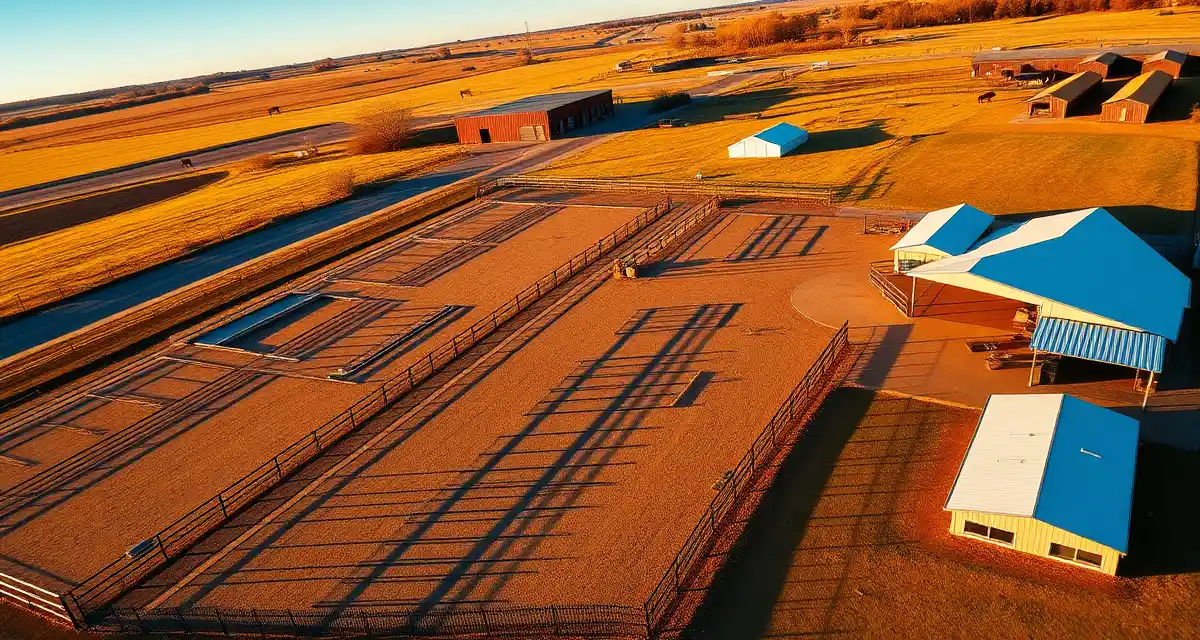
A functional boarding barn needs covered stalls, a water supply to each stall or paddock, adequate drainage, hay and feed storage, and a manure management plan. Many counties require a manure management permit once you exceed a certain number of horses, typically 10 or more.
Stall size matters. A 12x12 stall is the industry standard for most horses. Smaller stalls increase injury risk and are a red flag for prospective boarders who know what they're looking at.
Business Setup and Legal Structure
Register your business as an LLC at minimum. A sole proprietorship exposes your personal assets to liability claims, and equine operations carry real liability risk. Filing an LLC costs between $50 and $500 depending on your state and takes less than a week in most cases.
Open a dedicated business bank account immediately. Mixing personal and business finances creates accounting problems and weakens your liability protection. You'll also need a federal EIN, which you can get free from the IRS website in minutes.
Insurance
Equine liability insurance is non-negotiable. A standard commercial equine liability policy runs $500 to $2,000 per year depending on capacity and services offered. This covers you if a horse injures a person on your property.
You also need care, custody, and control coverage, which protects you if a horse in your care is injured or dies. Without it, a single colic surgery or trailer accident can cost you $5,000 to $15,000 out of pocket.
Boarding Contracts
Every boarder signs a contract before their horse arrives. Your contract should cover monthly rate, payment plans, late fees, liability waivers, emergency care authorization, and termination notice requirements. Have an equine attorney review it before you use it.
Most states have equine activity liability acts that provide some protection to operators, but they don't replace a well-drafted contract. The two work together.
How does BarnBeacon compare to spreadsheets for barn management?
Spreadsheets require manual updates, lack real-time notifications, and create version control problems when multiple staff members are working from different files. BarnBeacon centralizes records, pushes alerts automatically based on logged events, and connects care records to billing and owner communication in one system. Most facilities report saving several hours per week after switching from spreadsheets.
What is the setup process like for BarnBeacon?
Most facilities complete the initial setup in under a week. Horse profiles, service templates, and billing configurations can be imported from existing records or entered directly. BarnBeacon's US-based support team is available to assist with setup, and most managers are running their first billing cycle through the platform within days of starting.
Can BarnBeacon support a barn with multiple staff members?
Yes. BarnBeacon supports multiple user accounts with role-based access, so barn managers, barn staff, and owners each see the information relevant to their role. Task assignments, completion logs, and communication history are all attached to the barn's account rather than to individual staff phones or email addresses.
Related Articles
FAQ
What is How to Start a Horse Boarding Barn: Complete Guide?
This is a comprehensive guide covering every step required to launch a successful horse boarding operation — from securing properly zoned land and building compliant facilities to setting up a legal business entity, obtaining liability insurance, drafting boarding agreements, and implementing management systems. It addresses the real-world complexity equestrian entrepreneurs face, including daily workflows, owner communication, billing accuracy, and staff accountability, giving barn managers the practical depth they need to move from planning to profitable operation.
How much does How to Start a Horse Boarding Barn: Complete Guide cost?
Starting a horse boarding barn varies widely in cost depending on land, region, and scale. Land and facility buildout typically range from $50,000 to $500,000 or more. Ongoing costs include feed, bedding, labor, insurance, and software tools. Management software like BarnBeacon is a relatively small line item compared to the cost of billing errors, which can run into thousands of dollars annually. Budgeting carefully for both startup capital and operating cash flow is essential before taking on boarders.
How does How to Start a Horse Boarding Barn: Complete Guide work?
Starting a horse boarding barn works by layering foundational requirements in sequence: secure zoned land, build or retrofit facilities to meet safety and care standards, register a business entity, obtain equine liability insurance, create boarding agreements, then market to horse owners. Once operational, the barn runs on daily care workflows, per-horse health recordkeeping, automated owner communication, and accurate billing. Purpose-built equine management software connects all these systems so nothing falls through the cracks as your client roster grows.
What are the benefits of How to Start a Horse Boarding Barn: Complete Guide?
The core benefits of running a structured horse boarding operation include predictable recurring revenue, a service-based business with strong community ties, and the ability to scale by adding stalls or services. When built with proper systems, a boarding barn reduces owner anxiety through transparent communication, minimizes billing disputes with accurate charge logging, and prevents care gaps through staff accountability tools. Owners stay longer at barns that feel organized and responsive, which directly improves retention and profitability.
Who needs How to Start a Horse Boarding Barn: Complete Guide?
Anyone considering launching an equestrian business needs this guide — from first-time barn owners with land and a dream to experienced riders transitioning into entrepreneurship. It is also relevant to existing barn managers who are operating reactively and want to build more scalable systems, and to equine facility investors evaluating what a boarding operation actually requires to run profitably. If you are responsible for horses in your care and money in your accounts, this guide addresses your core operational challenges.
How long does How to Start a Horse Boarding Barn: Complete Guide take?
The timeline to start a horse boarding barn depends heavily on land readiness and local permitting. Zoning approval and facility construction or renovation can take six months to two years. Business registration and insurance can be completed in days to weeks. Writing boarding agreements and setting up management software can happen in parallel with construction. Realistically, plan for twelve to eighteen months from decision to first boarder, with the regulatory and construction phases being the longest variables outside your direct control.
What should I look for when choosing How to Start a Horse Boarding Barn: Complete Guide?
When evaluating how to start or improve a horse boarding barn, look for guidance that addresses zoning and legal compliance, not just facility aesthetics. Prioritize sources that cover liability insurance, written boarding agreements, and per-horse record systems. For software, look for tools built specifically for equine operations rather than adapted generic platforms — features like health record access, automated owner messaging, and point-of-service billing logging solve real barn problems. Practical daily workflow guidance matters more than high-level business theory.
Is How to Start a Horse Boarding Barn: Complete Guide worth it?
Yes — investing time in learning how to properly structure a horse boarding barn is absolutely worth it. Barns that skip foundational steps like proper boarding agreements or organized billing systems face preventable legal disputes, revenue leakage, and high client churn. The difference between a barn that struggles and one that thrives often comes down to systems: how quickly you answer owner questions, how accurately you bill, and how consistently staff deliver care. This guide shortens the learning curve that costs most barn owners years to navigate alone.
Sources
- American Association of Equine Practitioners (AAEP)
- American Competitive Trail Horse Association (ACTHA)
- American Horse Council
- Kentucky Equine Research
- UC Davis Center for Equine Health
Get Started with BarnBeacon
Running a boarding barn well requires the right tools behind the right protocols. BarnBeacon gives managers the health record tracking, billing automation, and owner communication infrastructure to operate efficiently without adding administrative staff. Start a free trial and see how the platform fits the way your barn already works.