Pony Club Barn Owner Communication: Health and Updates
Pony club barn owner communication runs on a different rhythm than standard boarding operations. Pony Club disciplines have unique owner communication patterns not covered by generic barn software, from rally preparation updates to rating exam readiness reports that parents and guardians expect on a regular basis.
TL;DR
- Health observations logged at the point of care, not reconstructed at shift end, are the only reliable clinical record
- Daily baseline documentation for each horse creates the comparison point that makes anomaly detection meaningful
- medication tracking must include product name, dose, route, and withdrawal period for any horse in a regulated program
- Vet instructions delivered verbally during farm visits are frequently misremembered; written confirmation before the vet leaves is the standard
- Health alert protocols should remove judgment calls from staff: define triggers in writing so action is automatic
- Owner notification within 30 minutes of a health event, including a documented timeline, reduces disputes and builds confidence
This guide walks you through a practical system for keeping pony club horse owners informed, reducing inbound calls, and building the kind of trust that retains families year after year.
Why Pony Club Communication Is Different
Pony club barns serve a specific community: young riders working toward ratings, parents tracking progress, and horses that often double as lesson mounts and competition partners. The owners are frequently parents who are not horse people themselves, which means your updates need to be clear, specific, and reassuring.
Generic barn management tools assume owners want basic feeding and turnout confirmations. Pony club families want to know if their child's pony is fit enough for the upcoming rally, whether the vet cleared a soundness concern, and how the horse performed in the last mounted session.
Step 1: Audit What Owners Actually Need to Know
Map Your Communication Categories
Before you set up any system, list every type of update you currently send or should be sending. For most pony club barns, this breaks into four categories:
- Daily health and care: feeding, turnout, water intake, any behavioral changes
- Medical and veterinary: lameness checks, vaccinations, dental work, farrier visits
- Fitness and conditioning: work logs tied to rally or rating timelines
- Administrative: billing, scheduling, rally entry deadlines
Identify Your Audience Segments
Not all pony club owners need the same information at the same frequency. A parent whose child is preparing for a C-2 rating needs conditioning updates weekly. A family with a horse on pasture rest needs medical updates only. Segment your owner list before you build any templates.
Step 2: Choose the Right Communication Channel
Why Email Alone Fails Pony Club Barns
Email open rates for barn communications average around 21% across the equine industry. That means nearly 80% of your health updates may go unread when sent by email alone. For pony club families managing school schedules, rally travel, and lesson bookings, a dedicated owner portal outperforms email every time.
An owner communication portal centralizes all updates in one place, creates a searchable record of every health note, and sends push notifications that actually get seen.
Set Up a Portal With Pony Club-Specific Fields
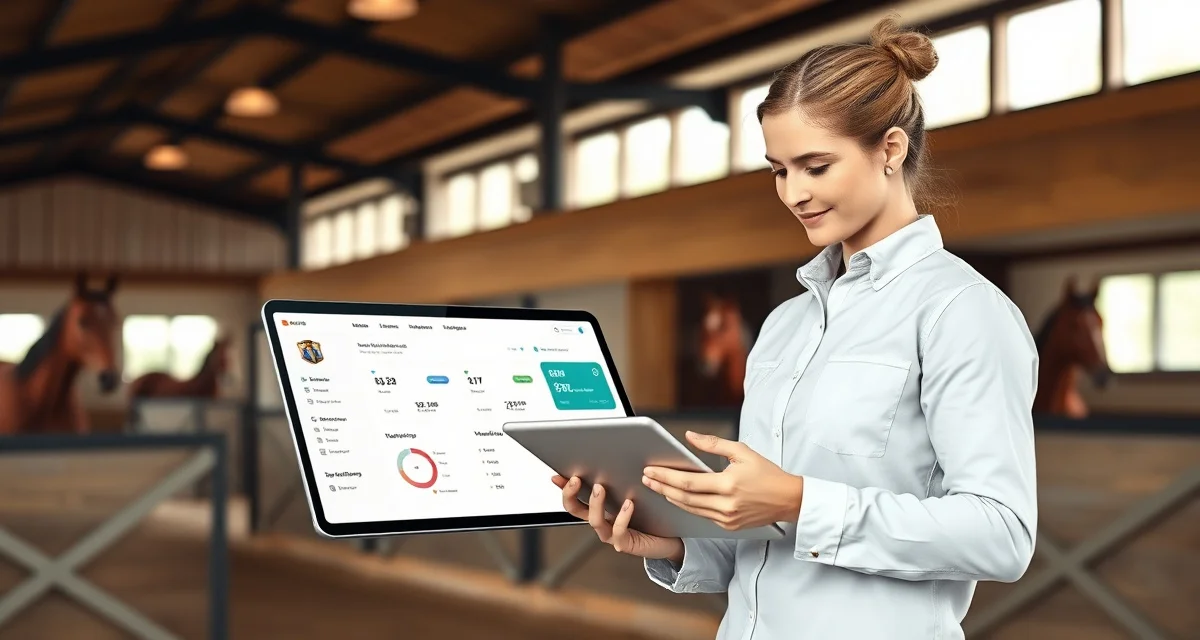
Look for a portal that lets you customize update fields to match pony club workflows. BarnBeacon's owner portal adapts to pony club barn workflows and reporting needs, allowing you to add fields like "Rally Fitness Status," "Rating Readiness," and "Vet Clearance for Competition" alongside standard daily care logs.
This specificity matters. When a parent can log in and see "Rally Fit: Yes, confirmed by barn manager 3/14" next to their pony's profile, you eliminate the phone call asking the same question.
Step 3: Build Your Health Update Templates
Daily Health Check Template
Keep daily updates short. Owners do not need a paragraph, they need a status. A solid daily template includes:
- Appetite (normal / reduced / refused)
- Turnout completed (yes / no / partial)
- Gait observation (sound / monitoring / vet notified)
- Coat and body condition (no change / note added)
- Any behavioral flags
Five data points, thirty seconds to complete, and the owner has everything they need.
Veterinary Visit Template
Vet updates require more detail. Your template should capture the date, the attending vet's name, the reason for the visit, findings, treatment administered, follow-up instructions, and any competition restrictions. Include a field for "Owner Action Required" so parents know immediately if they need to make a decision or sign off on a procedure.
Rally and Rating Preparation Update
This is the template most pony club barns are missing entirely. A monthly rally prep update should include current fitness level, any soundness concerns being monitored, farrier status, vaccination compliance for the rally venue, and a plain-language readiness summary. Something as simple as "Biscuit is on track for the April rally, no concerns at this time" saves you three parent emails per horse.
Step 4: Set Your Communication Cadence
Daily, Weekly, and Monthly Rhythms
Consistency matters more than volume. Owners who receive updates on a predictable schedule stop calling to check in. A workable cadence for most pony club barns:
- Daily: health check status pushed through the portal
- Weekly: conditioning and work log summary
- Monthly: rally/rating readiness report and any upcoming vet or farrier appointments
Stick to this schedule even when there is nothing unusual to report. A "no news" update is still valuable because it confirms you checked.
Urgent Communication Protocol
Define what triggers an immediate notification versus a next-day update. Colic, acute lameness, injury, or any situation requiring owner authorization should trigger an immediate push notification and a phone call. Minor observations, a slightly reduced appetite, a small scrape, can go in the daily log without an emergency alert.
Document this protocol and share it with owners during onboarding. When they know the rules, they trust the system.
Step 5: Onboard Owners to Your System
Make the First Login Easy
The biggest failure point for any owner portal is adoption. If owners do not log in during the first week, they rarely come back. Send a welcome message with a direct link, a two-minute video walkthrough, and a sample update already loaded for their horse. BarnBeacon includes an onboarding checklist that walks pony club families through their first login in under five minutes.
Run a Short Orientation at the Start of Each Season
Pony club barns operate on seasonal rhythms tied to rally schedules and rating cycles. Use the start of each season to run a fifteen-minute orientation, in person or via video call, covering how to read updates, how to respond to requests, and what the urgent notification protocol looks like. This investment pays back in fewer interruptions throughout the season.
For a broader look at how communication fits into your overall operation, see our guide to pony club barn operations.
Common Mistakes to Avoid
Sending updates that require a response but not specifying a deadline. If you need an owner to authorize a vet procedure, say "please respond by 5 PM today." Vague requests get ignored.
Using jargon without explanation. Pony club parents who are not horse people will not know what "mild digital pulse" means. Write for the least experienced person reading the update.
Skipping updates when things are fine. Silence reads as neglect to anxious parents. A brief "all good today" entry takes ten seconds and prevents a worried phone call.
Mixing urgent and routine updates in the same channel. If everything comes through the same email thread, owners stop reading carefully. Separate urgent alerts from routine logs.
How should a barn manager respond when a horse's health observation is outside normal baseline?
Log the observation immediately with the time, specific findings, and the staff member's name. Contact the attending veterinarian if the deviation is outside the parameters defined in the horse's care plan. Notify the owner in writing, including what was observed and what action was taken. This sequence creates a defensible record and demonstrates appropriate professional response.
What should every horse's health record include at minimum?
At minimum, a horse's health record should include vaccination dates and products, deworming history, dental exam dates, farrier schedule, medication logs with product and dose, and any veterinary findings or diagnoses. For horses in regulated disciplines, drug testing withdrawal periods for recent treatments must also be tracked. A record that cannot be produced quickly during an inspection or a dispute is effectively no record at all.
How often should vital signs be checked for horses on stall rest or recovery programs?
Vital signs for stall rest or recovery horses should be checked at every feeding, at minimum twice daily. For horses in acute recovery or following surgery, more frequent checks may be required; follow the veterinarian's written protocol. Log temperature, respiration, and heart rate each time and flag any reading outside baseline before the next check.
FAQ
What is Pony Club Barn Owner Communication: Health and Updates?
Pony Club Barn Owner Communication: Health and Updates is a structured system for keeping pony club horse owners and guardians informed about their horses' daily health, medication, and care. Unlike generic barn management, it addresses the unique rhythms of pony club operations—rally prep, rating exam readiness, and regulatory medication tracking—delivering timely, documented updates that reduce misunderstandings and eliminate the need for constant owner phone calls.
How much does Pony Club Barn Owner Communication: Health and Updates cost?
A dedicated communication system for pony club barns typically ranges from free basic tools to $50–$150 per month for software platforms with health logging, automated alerts, and owner portals. Costs vary by barn size and feature set. The investment is generally offset by reduced staff time answering inbound calls, fewer disputes over health events, and the professional credibility that structured documentation provides to parents and guardians.
How does Pony Club Barn Owner Communication: Health and Updates work?
The system works by logging health observations at the point of care—not reconstructed later—and automatically notifying owners within a defined window, typically 30 minutes of a health event. Staff follow written alert triggers so no judgment call is required. Medication records capture product name, dose, route, and withdrawal period. Vet instructions are confirmed in writing before the vet leaves, creating a reliable clinical record accessible to owners anytime.
What are the benefits of Pony Club Barn Owner Communication: Health and Updates?
Key benefits include fewer inbound owner calls, faster anomaly detection through daily baseline documentation, reduced disputes when health events are backed by timestamped records, and stronger trust with pony club parents who expect transparency. Regulatory compliance is easier when medication withdrawal periods are tracked automatically. Staff accountability improves because observations are logged in real time, and owners feel confident their horses receive consistent, well-documented care.
Who needs Pony Club Barn Owner Communication: Health and Updates?
Any barn hosting pony club horses needs this system—particularly facilities managing multiple horses for junior riders whose parents and guardians expect frequent, detailed updates. It is especially critical for barns where horses are enrolled in rated competitions or rating exams, where medication records and health history are subject to review. Larger operations with multiple staff members benefit most, since written protocols remove inconsistency from daily handoffs.
How long does Pony Club Barn Owner Communication: Health and Updates take?
Setting up a basic communication system takes one to two days: define health alert triggers, create medication logging templates, and establish owner notification timelines. Staff training typically requires a single walkthrough session. Once running, daily health updates take five to ten minutes per horse. The upfront time investment pays back quickly as inbound owner inquiries drop and staff spend less time reconstructing events from memory after the fact.
What should I look for when choosing Pony Club Barn Owner Communication: Health and Updates?
Look for real-time logging that timestamps observations at the point of care, not at shift end. Medication tracking should capture product name, dose, route, and withdrawal period. Owner notifications should be automatic and time-stamped. Choose a platform with a clear audit trail so records hold up if a health event is disputed. Bonus features include rally prep checklists, rating exam readiness reports, and a parent-facing portal with read-only access to their horse's records.
Is Pony Club Barn Owner Communication: Health and Updates worth it?
Yes—for any barn managing pony club horses, a structured health communication system is worth it. The cost of one disputed health incident, one missed medication withdrawal, or one lost client due to poor communication far exceeds the investment. Parents and guardians in the pony club community have high expectations for transparency. A documented, timely system builds lasting trust, supports regulatory compliance, and frees staff from reactive phone calls so they can focus on horse care.
Sources
- American Association of Equine Practitioners (AAEP)
- United States Pony Clubs (USPC)
- American Horse Council
- Kentucky Equine Research
- UC Davis Center for Equine Health
Get Started with BarnBeacon
Health records that live on a clipboard in the barn aisle cannot protect your horses or your facility the way a real-time digital system can. BarnBeacon gives Pony Club facilities the health logging, alert, and owner notification tools to document care at the point of service, catch anomalies early, and build a defensible record automatically. Start a free trial and see how your health tracking changes in the first two weeks.