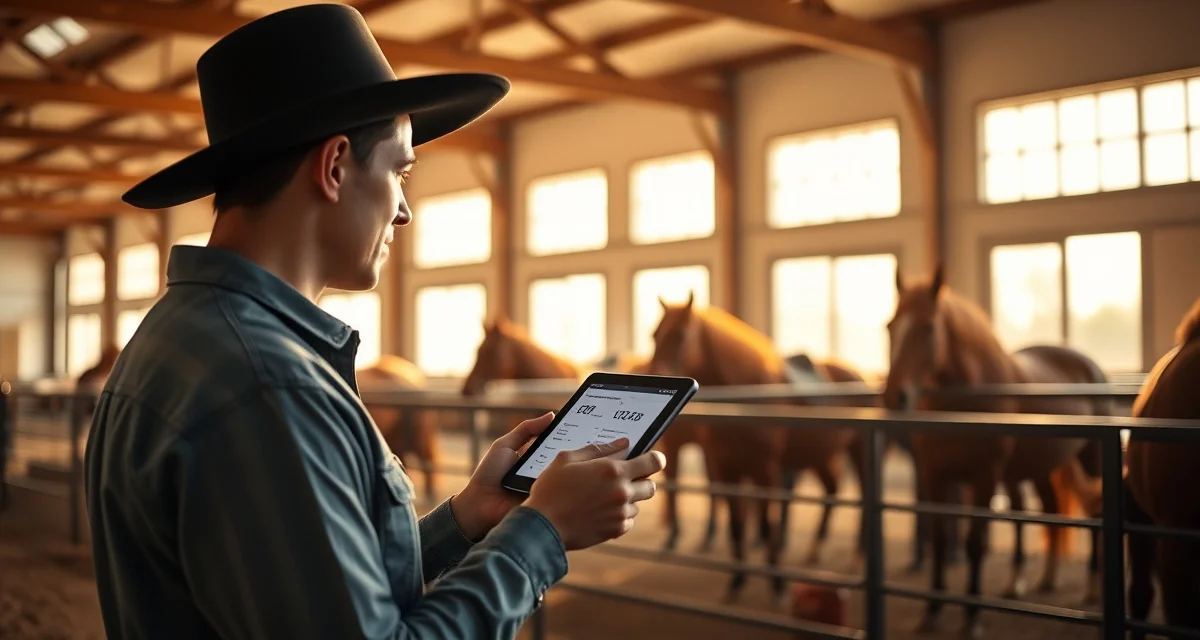
Cutting Barn Owner Communication: Health and Updates
Cutting barn owner communication has a discipline-specific rhythm that generic barn management software rarely accounts for. Owners in the cutting world track performance metrics, futurity prep timelines, and cattle exposure history alongside standard health records. If your update system was built for a boarding barn, it probably doesn't fit.
TL;DR
- Health observations logged at the point of care, not reconstructed at shift end, are the only reliable clinical record
- Daily baseline documentation for each horse creates the comparison point that makes anomaly detection meaningful
- medication tracking must include product name, dose, route, and withdrawal period for any horse in a regulated program
- Vet instructions delivered verbally during farm visits are frequently misremembered; written confirmation before the vet leaves is the standard
- Health alert protocols should remove judgment calls from staff: define triggers in writing so action is automatic
- Owner notification within 30 minutes of a health event, including a documented timeline, reduces disputes and builds confidence
This guide walks through a practical process for communicating horse health and training updates to cutting horse owners, including the tools and templates that actually work in a cutting barn environment.
Why Generic Communication Systems Fall Short for Cutting Barns
Most barn software treats all disciplines the same. That works fine for a basic boarding operation, but cutting horse owners have a different set of questions. They want to know how a horse is moving after cattle work, whether soreness is tied to a specific training session, and how a horse is tracking against a futurity prep schedule.
When your update system doesn't reflect those priorities, owners fill the gap with phone calls and texts. That creates inconsistency, eats your time, and leaves a documentation trail that's scattered across three apps and a voicemail inbox.
A structured cutting barn owner communication process solves all of that.
Step 1: Define What Cutting Owners Actually Need to Know
Separate Health Updates from Training Updates
These are two different communication streams. Health updates cover veterinary visits, lameness observations, medication administration, and farrier work. Training updates cover cattle work sessions, pen performance, and conditioning progress.
Mixing them into one unstructured message creates confusion and makes it hard to reference specific information later.
Identify the High-Priority Triggers
Not every update requires the same urgency. Define your tiers upfront:
- Immediate notification: Injury, colic, vet call, any health event requiring owner decision
- Same-day update: Post-cattle work soreness, behavioral changes, farrier findings
- Weekly summary: Overall conditioning, training milestones, upcoming schedule
Having this framework in place means owners know what to expect and when. It also reduces the "just checking in" calls that interrupt your day.
Step 2: Build a Consistent Update Template
What to Include in a Health Update
A cutting horse health update should cover five fields at minimum:
- Date and horse name
- Observation or event (what happened, when, who was present)
- Action taken (treatment, rest, vet contact)
- Current status (sound, monitoring, restricted work)
- Next step or follow-up date
This structure takes two minutes to fill out and gives owners a clear picture without requiring a phone call. It also creates a record you can reference if a pattern emerges over time.
What to Include in a Training Update
For cutting horse barn updates tied to training, include:
- Session type (dry work, cattle work, pen time)
- Horse's response and energy level
- Any notable positives or concerns
- How it fits into the current prep timeline
Owners invested in futurity horses want to see progress mapped against a goal. A training update that says "worked cattle, went well" tells them almost nothing.
Step 3: Choose the Right Communication Channel
Why Email Alone Doesn't Work
Email is easy to miss and hard to organize. Owners managing multiple horses across multiple barns can't efficiently track updates buried in an inbox. Important health information gets lost next to newsletters and invoices.
Use a Dedicated Owner Portal
A purpose-built owner communication portal centralizes all updates, health records, and documents in one place. Owners log in and see their horse's complete history without having to search through old messages.
For cutting barns specifically, look for a portal that supports custom fields. You need to log cattle exposure dates, pen work sessions, and futurity prep milestones, not just standard boarding notes.
BarnBeacon's owner portal is built to adapt to cutting barn workflows. You can configure update templates, set notification triggers, and give owners a real-time view of their horse's status without generating extra administrative work on your end.
Step 4: Set a Communication Cadence and Stick to It
Weekly Updates Build Trust
Owners who hear from you consistently are less likely to call with anxiety-driven check-ins. A weekly summary sent every Sunday or Monday sets a rhythm. Even if nothing significant happened, a brief "all clear" update reinforces that you're on top of things.
Don't Wait for Bad News to Establish the Habit
One of the most common mistakes cutting barn managers make is only reaching out when something is wrong. Owners who only hear from you during problems start to associate your name with bad news. Regular positive updates change that dynamic.
Step 5: Document Everything in One System
Why Documentation Matters Beyond Communication
Good records protect you and the owner. If a horse develops a soundness issue six months into training, a documented history of observations, treatments, and work sessions tells the full story. Without that, you're relying on memory and scattered texts.
Connecting your communication system to your broader cutting barn operations platform means health updates, training logs, and owner messages all live in the same place. That's the difference between a communication tool and an actual management system.
Make Records Accessible to Owners
Owners should be able to pull up their horse's health history without calling you. When they can self-serve that information, it reduces your administrative load and gives owners the transparency they expect when they're paying training fees.
Common Mistakes in Cutting Barn Owner Communication
Waiting too long to report a health event. Owners want to know about a vet call the day it happens, not three days later in a weekly summary. Set a clear policy: any health event above a defined threshold gets a same-day notification.
Using inconsistent formats. When every update looks different, owners can't quickly find the information they need. Templates exist for a reason. Use them every time.
Overloading updates with jargon. Not every cutting horse owner is a trainer. Write updates in plain language. "Horse showed mild left front soreness after cattle work, iced and monitored, sound this morning" is better than a technical description that requires a follow-up call to interpret.
Failing to document verbal conversations. If you discuss a health issue over the phone, follow up with a written summary in your management system. Verbal agreements and observations disappear. Written records don't.
FAQ
How do I communicate with cutting horse owners?
Use a structured system that separates health updates from training updates and delivers them through a centralized owner portal rather than text or email. Define notification tiers so owners know what triggers an immediate call versus a weekly summary. Consistency and clarity matter more than frequency.
What do cutting owners want to know about their horses?
Cutting horse owners want health status, training progress tied to futurity or show timelines, cattle work observations, and any soundness concerns. They're tracking performance trajectory, not just day-to-day care. Updates that connect individual sessions to the bigger prep picture are far more valuable than generic check-ins.
What owner portal features matter for cutting barns?
Look for custom field support so you can log discipline-specific data like cattle exposure and pen work sessions. Notification triggers for health events, a searchable health history, and a clean mobile interface for owners are all essential. A portal that forces you into a generic boarding template won't serve a cutting barn's actual reporting needs.
How should a barn manager respond when a horse's health observation is outside normal baseline?
Log the observation immediately with the time, specific findings, and the staff member's name. Contact the attending veterinarian if the deviation is outside the parameters defined in the horse's care plan. Notify the owner in writing, including what was observed and what action was taken. This sequence creates a defensible record and demonstrates appropriate professional response.
What should every horse's health record include at minimum?
At minimum, a horse's health record should include vaccination dates and products, deworming history, dental exam dates, farrier schedule, medication logs with product and dose, and any veterinary findings or diagnoses. For horses in regulated disciplines, drug testing withdrawal periods for recent treatments must also be tracked. A record that cannot be produced quickly during an inspection or a dispute is effectively no record at all.
How often should vital signs be checked for horses on stall rest or recovery programs?
Vital signs for stall rest or recovery horses should be checked at every feeding, at minimum twice daily. For horses in acute recovery or following surgery, more frequent checks may be required; follow the veterinarian's written protocol. Log temperature, respiration, and heart rate each time and flag any reading outside baseline before the next check.
What is Cutting Barn Owner Communication: Health and Updates?
Cutting Barn Owner Communication: Health and Updates is a practical guide for cutting horse barn managers covering how to document and communicate horse health events, training progress, and daily observations to owners. It addresses discipline-specific needs like futurity prep timelines, cattle exposure history, and medication tracking with withdrawal periods, while establishing clear protocols for staff and owner notifications within 30 minutes of health events.
How much does Cutting Barn Owner Communication: Health and Updates cost?
BarnBeacon's resources on cutting barn owner communication are available at no cost as educational guides. However, implementing a dedicated horse owner communication platform like BarnBeacon may involve subscription pricing depending on barn size and feature needs. Visit BarnBeacon directly for current pricing on barn management software that supports cutting-specific workflows, health record logging, and real-time owner update tools.
Sources
- American Association of Equine Practitioners (AAEP)
- National Cutting Horse Association (NCHA)
- American Competitive Trail Horse Association (ACTHA)
- American Horse Council
- UC Davis Center for Equine Health
Get Started with BarnBeacon
Health records that live on a clipboard in the barn aisle cannot protect your horses or your facility the way a real-time digital system can. BarnBeacon gives cutting horse facilities the health logging, alert, and owner notification tools to document care at the point of service, catch anomalies early, and build a defensible record automatically. Start a free trial and see how your health tracking changes in the first two weeks.