What to Include in an Owner Communication Portal
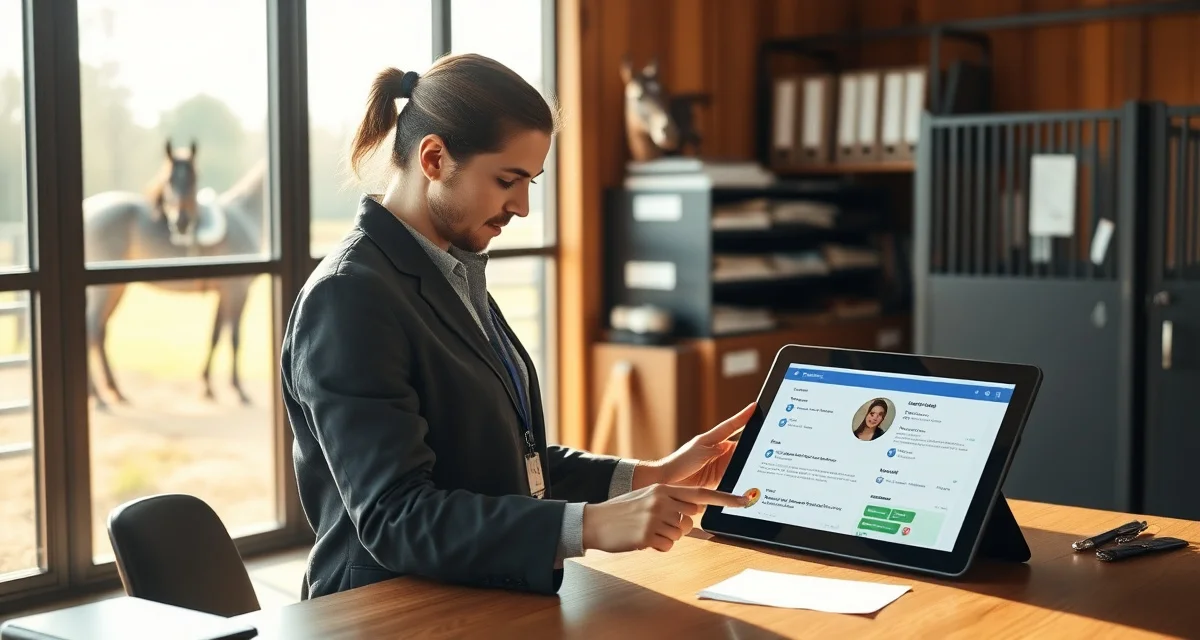
An owner communication portal is a dedicated space where boarding clients can access information about their horse, communicate with barn management, view billing, and receive updates. Done well, it reduces inbound messages, improves client satisfaction, and professionalizes your operation. Done poorly, it's another tool that nobody uses because it doesn't contain anything useful.
This guide covers what should actually be in an owner portal, based on what owners consistently want and what reduces barn manager workload.
The Core Principle: Information Before Questions
The purpose of an owner portal is to give owners access to information they would otherwise request through a phone call or text message. Every piece of information you add to the portal is a question you won't have to answer individually. Every time a portal is empty or out of date, it fails its purpose and erodes owner confidence in the system.
Build your portal around the questions owners ask most frequently, and make sure those questions are answered there before owners need to ask.
Horse Profile and Care Information
The foundation of any owner portal is a current profile for each horse. This should include:
Basic information: name, breed, age, registration numbers if applicable, color and markings.
Feeding instructions: hay amount and type, grain, supplements with dosages. This should match the current feeding chart, and when feeding protocols change, the portal should be updated the same day.
Medical history: current medications, known conditions, allergies, and any standing veterinary orders. Owners want to be able to pull this up quickly when speaking to a vet or calling in a sick day.
Health records: vaccination dates, Coggins testing, farrier schedule, and dental history. For owners who travel to shows, having vaccination records accessible from a phone at a show check-in is genuinely useful.
Daily and Weekly Updates
The most engaging part of an owner portal for most clients is the horse-specific update feed. This is where daily care notes, feeding observations, turnout status, and health flags appear.
Updates don't need to be long. "Ate well, out with morning group, came in sound" is sufficient for a routine day. The value is in the consistency. When owners see a regular stream of brief, accurate updates, they feel connected to their horse and stop sending daily check-in texts.
When something notable happens, a more detailed note is warranted. Health events, changes in behavior, farrier observations, or veterinary findings should be logged with enough detail to give the owner meaningful information.
Billing and Payment
Billing access is one of the highest-value components of an owner portal. Owners should be able to view their current invoice, see a history of past invoices, and make or schedule payments through the portal.
A clear billing section that itemizes charges with dates and descriptions reduces billing disputes dramatically. When an owner can see that the $25 charge labeled "bute administration" on October 8 corresponds to a health note from that day saying their horse was observed lame, the charge makes sense in context.
Appointment and Schedule Visibility
Let owners see upcoming farrier, veterinary, and dental appointments scheduled for their horse. This allows them to plan to be present if they want to attend, and it closes the loop on appointment scheduling without requiring individual notification calls.
A shared barn calendar that shows facility-wide events, like farrier visit days, scheduled barn closures, or upcoming shows, helps owners plan their visits and reduces scheduling-related questions.
Direct Messaging
A direct messaging function within the portal creates a documented channel for communication that's separate from text messages and emails. This is valuable for both parties: barn managers can review message history without digging through a text thread, and owners have a record of what they communicated and when.
BarnBeacon includes an owner portal with messaging, updates, billing, and horse records integrated in one place. This eliminates the problem of communication fragmented across multiple channels and makes the barn's records accessible to owners in a way that builds transparency and trust.
What Not to Include
Keep the portal focused. An owner portal that has twelve tabs, half of which are empty, feels unfinished and unprofessional. Better to have three sections that are always current than ten sections where most of the information is stale.
For related reading, see owner portal features and owner notifications.
FAQ
What is What to Include in an Owner Communication Portal?
An owner communication portal is a dedicated digital hub where horse boarding clients can view their horse's profile and care details, track health and farrier records, access billing, and receive barn updates — all without calling or texting the barn manager. It centralizes the information owners need most so they stay informed between visits and barn staff spend less time fielding routine questions.
How much does What to Include in an Owner Communication Portal cost?
Owner communication portals are typically included as part of barn management software subscriptions. Pricing varies by platform and barn size, but most solutions range from $50 to $200 per month for the barn, with no additional cost passed directly to owners. Some platforms charge per horse or per active boarding client. BarnBeacon is designed to offer this functionality at a price point accessible to small and mid-sized operations.
How does What to Include in an Owner Communication Portal work?
A barn sets up the portal through their management software, then invites owners via email or a unique login link. Once inside, owners see a dashboard with their horse's profile, recent updates, feeding and medication instructions, upcoming appointments, and invoices. Barn managers publish updates centrally, and all clients with relevant horses see them instantly — eliminating one-off texts and repeated phone calls about the same information.
What are the benefits of What to Include in an Owner Communication Portal?
The core benefits include fewer inbound messages for barn staff, faster payment collection through integrated invoicing, improved owner confidence through transparency, and a more professional reputation for the barn overall. Owners feel more connected to their horse's care even when they can't be on-site. For barn managers, a well-maintained portal can reclaim several hours per week that were previously spent on routine communication.
Who needs What to Include in an Owner Communication Portal?
Any barn that boards horses can benefit — from small private facilities with a handful of clients to large full-care operations with dozens of owners. It's especially valuable when clients are busy professionals who can't visit daily and need convenient access to updates. Training barns, lesson programs, and breeding operations also benefit since they often have detailed care routines and records that owners want to monitor remotely.
How long does What to Include in an Owner Communication Portal take?
Setup typically takes a few hours to a few days depending on how many horses and clients you're onboarding. Entering existing horse profiles, uploading care sheets, and configuring billing can be done incrementally. Most barn managers are fully operational within one to two weeks. Ongoing maintenance is low — updating a horse's feeding instructions or posting a barn-wide notice takes just a few minutes per week.
What should I look for when choosing What to Include in an Owner Communication Portal?
Look for a portal that includes horse profile management, health and care record tracking, integrated billing or invoicing, messaging or announcement tools, and mobile accessibility for owners. Ease of use matters for both staff and clients — if it's difficult to update, it won't stay current. Also prioritize portals built specifically for equine facilities, since generic tools often lack the horse-specific fields and workflows barn managers actually need.
Is What to Include in an Owner Communication Portal worth it?
Yes, for most boarding operations the return on investment is clear. Reducing even five routine owner calls per day saves meaningful staff time over a month. Faster invoice delivery and online payment options typically improve cash flow. And owners who feel informed and respected are more likely to stay long-term, refer others, and pay on time. A well-used portal pays for itself quickly in reduced admin burden and improved client retention.