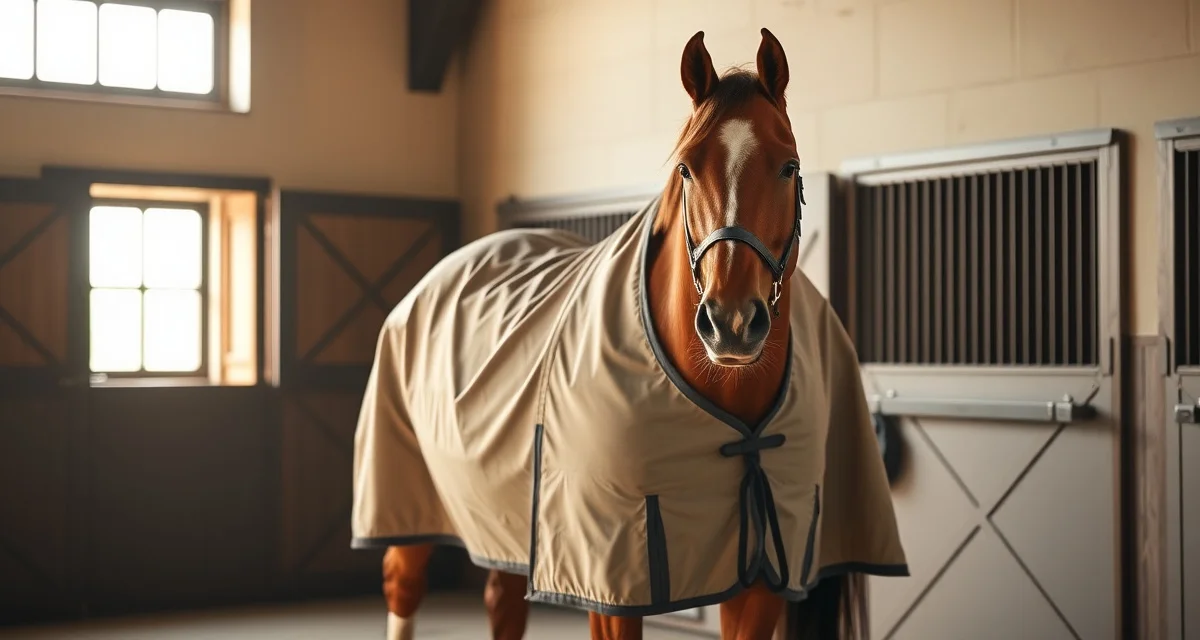
Training Barn Competition Blanketing: Show Prep Protocols
Incorrect blanketing causes 18% of skin conditions in stabled horses, yet most barns still rely on a single posted chart and staff memory to manage it. For training barns running 30, 50, or 80+ horses through a competition season, that approach breaks down fast. Training barn competition blanketing requires a system, not a suggestion.
TL;DR
- Competition horses at training facilities require blanketing protocols that account for clipped status, travel conditions, and show environment.
- Blanket weight decisions during show travel should be documented so barn staff can replicate the correct protocol at the next event.
- A per-horse blanketing record tied to clip status and body condition score reduces guesswork when multiple staff handle blanketing.
- Show facility blanketing conditions often differ significantly from home barn conditions; staff need preparation-specific protocols.
- Logging every blanket change creates the accountability record needed when a horse arrives at a show in suboptimal condition.
The challenge compounds when horses are show-clipped, traveling to different climates, and stabling in unfamiliar facilities. A horse that's fine in your home barn at 45°F may be dangerously cold in a drafty show stall at the same temperature. This guide walks through the exact protocols that keep performance horses comfortable and healthy from clip day through post-competition recovery.
Why Competition Horses Need a Different Blanketing Standard
A field-kept horse with a full coat can regulate temperature across a wide range. A show-clipped horse cannot. Clipping removes the coat's insulating layer, shifting the horse's lower critical temperature from roughly 18°F up to 45°F or higher depending on clip type.
That gap means a clipped horse needs active blanketing management every single day of the competition season. Add travel, stress, and variable stabling conditions, and the margin for error shrinks further.
Step 1: Build a Per-Horse Clip and Age Profile
Assess Each Horse Before the Season Starts
Before the first show, document three things for every horse: clip type (full, trace, hunter, blanket clip), age, and any health conditions that affect thermoregulation. Senior horses and young horses both have reduced ability to maintain core temperature.
This profile becomes the foundation for every blanketing decision that follows. Without it, you're guessing.
Assign a Baseline Blanketing Rule
Using each horse's profile, assign a temperature-based blanketing rule. A fully clipped 4-year-old in peak condition might need a medium-weight blanket at 50°F. A 22-year-old with a trace clip might need the same weight at 55°F. These are not the same horse, and they should not be on the same chart.
Our blanketing guide covers weight and fill recommendations by temperature range if you need a starting reference.
Step 2: Establish Show Clip Blanketing Layers
The Three-Layer System for Clipped Horses
At competitions, clipped horses typically need access to three layers: a cooler or fleece for immediately post-work, a mid-layer sheet for moderate temperatures, and a medium or heavyweight blanket for cold nights. Staff need to know which layer applies when, not just which blanket to grab.
Post-exercise, a wet horse should go into a cooler first. Putting a waterproof blanket on a sweating horse traps moisture and creates the exact skin conditions that lead to rain rot and fungal issues.
Temperature Thresholds for Clipped Horses at Shows
Use these as starting points, adjusted for individual profiles:
| Temperature | Fully Clipped Horse | Trace/Hunter Clip |
|---|---|---|
| 60°F+ | Sheet or nothing | Nothing |
| 50-59°F | Lightweight blanket | Sheet |
| 40-49°F | Medium blanket | Lightweight blanket |
| 30-39°F | Heavy blanket | Medium blanket |
| Below 30°F | Heavy + liner | Heavy blanket |
Wind and humidity shift these thresholds. A 45°F day with 20 mph wind requires the same coverage as a still 35°F day.
Step 3: Travel Blanket Layering Protocol
Before Loading
Horses should be blanketed for the destination climate, not the departure climate. If you're leaving a 65°F barn and arriving at a 40°F showground at midnight, the horse needs to be dressed for arrival.
Check the forecast for the show location 24 hours before departure. This sounds obvious, but it's the step most commonly skipped under the pressure of show prep.
During Transport
Shipping boots and a well-fitted travel sheet are standard. For trips over four hours, check horses at rest stops. A horse that's worked up during loading may overheat in a heavy blanket during a long haul.
Keep a lightweight cooler accessible in the trailer for horses that arrive sweated. Never leave a wet horse in a closed trailer.
Step 4: Stabling at Shows
Assessing the Stall Environment
Show stabling varies enormously. Some venues have heated barns; others are open-sided temporary structures. Walk the stabling area before settling horses in and note drafts, aisle traffic, and proximity to doors.
A horse in a corner stall with two exterior walls needs more coverage than the same horse in a center stall. Adjust accordingly.
Overnight Blanketing at Shows
Overnight is the highest-risk window. Temperatures drop, staff coverage is reduced, and horses are in an unfamiliar environment that may increase stress and reduce their ability to self-regulate.
Assign a specific person to do a final blanket check at lights-out. This check should confirm weight is appropriate for overnight low, blanket is properly fitted and not slipped, and no horse is sweating under their blanket.
Step 5: Post-Competition Care and Blanketing
Cooling Out Correctly
After a class or a full day of showing, horses need to cool out completely before being blanketed for the night. A horse that's still warm to the touch at the base of the ears and flanks is not ready for a closed blanket.
Use a cooler during the cool-out process. Walk the horse until respiration and temperature normalize, then switch to the appropriate overnight blanket.
Monitoring for Skin Issues
Check under blankets daily during competition weeks. Rubbing at the shoulders, withers, and chest are early signs of fit problems or moisture buildup. Catching these early prevents the skin conditions that sideline horses mid-season.
Your barn daily checklist should include a blanket condition and fit check as a standard line item, not an afterthought.
Using Technology to Manage Blanketing at Scale
Managing competition blanketing for a large string manually is where protocols break down. Staff turnover, early morning checks, and multi-horse travel days create gaps.
BarnBeacon addresses this directly by sending automatic blanketing alerts based on the local forecast and each horse's individual clip and age profile. When the overnight low at the show venue drops below a horse's assigned threshold, the system pushes an alert to the responsible staff member with the specific blanket recommendation for that horse.
Most barn management tools offer general reminders. What they lack is the ability to trigger alerts based on real-time weather data combined with per-horse rules. That specificity is what prevents the 2 a.m. mistake of leaving a fully clipped 20-year-old in a sheet because no one checked the forecast.
Common Mistakes in Competition Blanketing
Using the same blanket chart for all horses. Clip type, age, and health status create meaningful differences in thermoregulation. One chart does not fit all.
Blanketing over a wet coat. Whether from sweat or rain, a wet coat under a closed blanket creates a warm, moist environment that breeds skin problems. Always dry first.
Ignoring wind chill at shows. Outdoor venues and open-sided barns expose horses to wind in ways your home barn may not. Factor wind into your temperature assessment.
Not checking blanket fit after travel. Blankets shift during transport. A blanket that was correctly fitted at home may be sitting wrong after a four-hour haul.
What temperature does a horse need a blanket?
A horse with a full, unclipped coat generally needs a blanket when temperatures drop below 18-20°F, though older horses and those in poor condition may need coverage at higher temperatures. A fully clipped horse needs a blanket at 45-50°F and above in windy or wet conditions. Individual factors including age, body condition, and acclimation always override general guidelines.
How do I manage blanketing preferences for 50+ horses?
The only practical approach at scale is a documented per-horse profile system combined with software that can apply individual rules automatically. Trying to manage 50+ horses on a single posted chart leads to errors, especially during high-pressure competition weeks. Assign each horse a temperature threshold and clip profile, then use barn management software to track and alert based on those individual settings.
Can barn software send automated blanketing alerts to staff?
Yes, and this is one of the most practical applications of barn management technology for training operations. BarnBeacon specifically sends temperature-triggered blanketing alerts based on local forecast data and per-horse clip and age profiles, so staff receive a specific recommendation for each horse rather than a generic reminder. This closes the gap between a written protocol and consistent execution across a large team.
How do I coordinate blanketing decisions between barn staff and trainers at a show?
Designate a primary decision-maker for blanketing at each show event before departure and document that assignment in the travel plan. A written show travel blanketing protocol covering weight triggers by temperature, clip status, and expected overnight low removes the need for on-site negotiation between trainer and staff.
How do I prevent competition horses from overheating in a show blanket during travel?
Monitor horses closely during the loading and early travel period before the trailer temperature stabilizes. Clipped horses benefit from lighter shipping blankets than their unclipped barn mates. If a horse is sweating under a blanket during loading in mild temperatures, the blanket weight is almost certainly too heavy for travel conditions. Building a trailer temperature check into the pre-departure checklist helps staff make appropriate blanket adjustments before the horse is in motion.
Related Articles
FAQ
What is Training Barn Competition Blanketing: Show Prep Protocols?
Training Barn Competition Blanketing: Show Prep Protocols is a systematic approach to managing blanket decisions for show-clipped horses at training facilities. Rather than relying on a single posted chart or staff memory, it establishes per-horse documentation tied to clip status, body condition score, and travel conditions. For barns managing 30 to 80+ horses through a competition season, this protocol ensures every staff member follows the correct blanketing routine regardless of location or weather variability at the show venue.
How much does Training Barn Competition Blanketing: Show Prep Protocols cost?
Implementing a competition blanketing protocol has no fixed purchase price — it is a management practice, not a product. Costs come from the tools used to support it: blanket tracking software, digital logs, or barn management apps typically range from free to a few hundred dollars per year. The real financial case is in prevention: skin conditions caused by incorrect blanketing affect roughly 18% of stabled horses, and vet bills, missed show entries, and lost training time far exceed any system cost.
How does Training Barn Competition Blanketing: Show Prep Protocols work?
The protocol works by assigning each horse a documented blanketing profile based on clip status, body condition, and typical temperature sensitivity. Staff log every blanket change — weight, time, and conditions — creating a replicable record. Before travel, the profile is reviewed and adjusted for the destination climate and stall conditions. At the show, staff follow the documented protocol rather than guessing. After the event, notes from the trip update the horse's record so future show prep is even more accurate.
What are the benefits of Training Barn Competition Blanketing: Show Prep Protocols?
The core benefits are consistency, accountability, and horse health. Documented protocols eliminate guessing when multiple staff rotate through blanketing duties. Show-clipped horses receive appropriate coverage even in unfamiliar stalls that may be draftier than home. Logs create an audit trail when a horse arrives at a competition in suboptimal condition. Over a full season, training barns report fewer skin issues, more confident staff decisions, and cleaner communication with owners about how their horses are being managed on the road.
Who needs Training Barn Competition Blanketing: Show Prep Protocols?
Any training barn running horses through a competition season needs this type of protocol, but it becomes critical once a barn manages more than a handful of show horses. Facilities with 30 or more horses, multiple staff handling morning and evening checks, and regular travel to shows in varying climates face the highest risk from informal blanketing practices. Barns with a mix of fully clipped, trace-clipped, and unclipped horses in the same aisle especially benefit from per-horse documentation rather than a one-size chart.
How long does Training Barn Competition Blanketing: Show Prep Protocols take?
Setting up the protocol takes a few hours of initial work — building per-horse profiles, establishing weight guidelines by temperature range, and training staff on the logging system. Daily execution adds only minutes per horse. The bigger time investment comes during show travel prep, where reviewing and adjusting each horse's profile ahead of departure takes roughly 30 to 60 minutes for a large string. Once the system is running, it largely maintains itself through consistent logging after each blanket change.
What should I look for when choosing Training Barn Competition Blanketing: Show Prep Protocols?
Look for a protocol that is horse-specific rather than barn-wide, and that accounts for clip status, body condition score, and travel conditions separately. It should be easy for any staff member to access and follow without needing to ask a manager. Logging should be simple enough that it actually gets done consistently. If you are evaluating software to support it, prioritize mobile access so staff can update records at the stall rather than walking back to an office. Audit trail features are a strong plus.
Is Training Barn Competition Blanketing: Show Prep Protocols worth it?
Yes. Incorrect blanketing contributes to 18% of skin conditions in stabled horses, and show-clipped horses traveling to unfamiliar facilities carry even higher risk. A documented protocol costs very little to implement but delivers consistent horse welfare, clearer staff accountability, and better owner communication throughout a competition season. For training barns competing at a high level, it is also a credibility signal — clients want to know their horses are managed with the same rigor on the road as they are at home.
Sources
- United States Equestrian Federation (USEF)
- American Horse Council
- University of Kentucky Equine Initiative
- The Chronicle of the Horse
- Horse & Rider magazine
Get Started with BarnBeacon
Competition horse blanketing requires per-horse protocols that travel with the horse to shows and are accessible to staff who may not know that horse's individual requirements. BarnBeacon's horse profile and care logging features ensure that blanketing instructions are available on any device and that each change is logged with a timestamp and staff name. If blanketing inconsistencies at shows or during travel are a recurring concern at your training facility, BarnBeacon gives your team the documentation tools to manage it reliably.