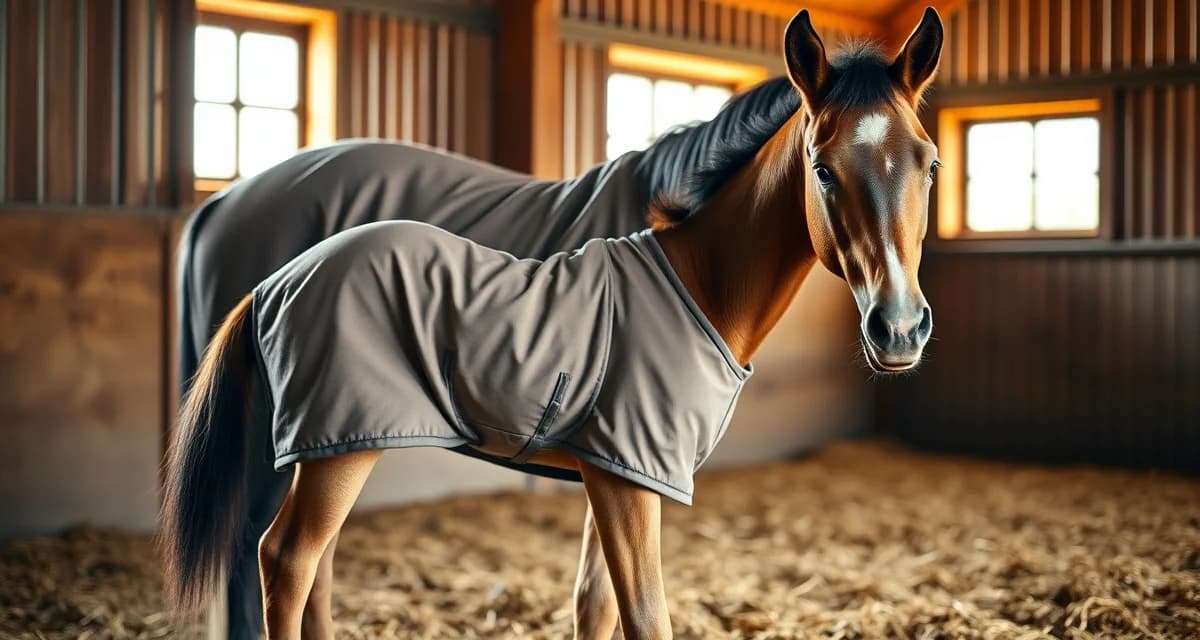
Breeding Farm Blanketing: Mare and Foal Protocols
Breeding farm blanketing foals and mares is one of the most error-prone tasks in equine management. Incorrect blanketing causes 18% of skin conditions in stabled horses, and on a breeding farm, the stakes are higher: a chilled newborn foal or an overheated post-foaling mare can spiral into serious health problems within hours.
TL;DR
- Blanketing decisions should be based on documented protocols tied to temperature thresholds, not individual staff judgment.
- A written blanket chart per horse prevents errors when multiple staff members cover different shifts.
- Removing blankets in warming weather is as important as applying them in cold weather to prevent overheating.
- Health checks during blanket changes are an opportunity to spot early signs of weight loss, skin issues, or injury.
- Digital care logs with timestamped entries create accountability and catch missed blanket changes before they become problems.
- BarnBeacon's staff task tools let managers set and track blanketing protocols for every horse on the property.
This guide gives you a step-by-step protocol for managing blankets across your mare and foal population, including how to use temperature thresholds, clip status, and age-specific rules to make the right call every time.
Why Breeding Farms Get Blanketing Wrong
Most blanketing mistakes come from applying a single barn-wide rule to animals with very different thermoregulation needs. A heavily clipped performance mare, a three-day-old foal, and an unclipped dry mare in the same barn do not need the same blanket at the same temperature.
Foals under four weeks old have underdeveloped thermoregulation. They cannot shiver effectively and lose body heat rapidly in cold or drafty conditions. At the same time, over-blanketing a foal in a warm barn causes sweating, skin irritation, and respiratory stress.
Step 1: Categorize Every Animal Before Blanketing Season
Assign Each Horse a Blanketing Profile
Before you can make consistent decisions, every animal on the farm needs a documented profile. This should include:
- Age group: Newborn (0-4 weeks), young foal (1-6 months), weanling, mare
- Clip status: Full clip, trace clip, unclipped
- Body condition score: Thin horses need blankets at higher temperatures
- Health status: Post-foaling mares, sick foals, or immunocompromised animals need individual assessment
Keep this information in your barn management system or a shared document your staff can access at any time. Profiles should be updated whenever clip status or health status changes.
Set Temperature Thresholds Per Profile
A general starting point for breeding farm blanketing:
| Animal Type | No Blanket | Light Sheet | Medium Blanket | Heavy Blanket |
|---|---|---|---|---|
| Newborn foal (0-4 weeks) | Above 65°F | 55-65°F | 45-55°F | Below 45°F |
| Foal (1-6 months) | Above 60°F | 50-60°F | 40-50°F | Below 40°F |
| Clipped mare | Above 55°F | 45-55°F | 35-45°F | Below 35°F |
| Unclipped mare | Above 45°F | 35-45°F | 25-35°F | Below 25°F |
| Post-foaling mare | Assess daily | Assess daily | Assess daily | Assess daily |
These thresholds assume adequate shelter and no wind chill. Adjust downward by 5-10°F if stalls are drafty or the animal is wet.
Step 2: Apply Foal-Specific Blanketing Rules
Newborns (0-4 Weeks)
A newborn foal's core temperature should stay between 99°F and 102°F. If barn temperature drops below 50°F, a light foal blanket is appropriate for most healthy newborns. Below 40°F, use a medium foal blanket and check the foal's ears and extremities for coldness every two hours.
Never use an adult horse blanket on a foal. Ill-fitting blankets restrict movement, cause pressure sores, and can trap a foal against a wall or stall door.
Foals 1-6 Months
Older foals regulate temperature better but are still more sensitive than adult horses. Watch for signs of chilling: tucked tail, hunched posture, shivering, or reluctance to move. Signs of overheating include sweating under the blanket, rapid breathing, or a hot back when the blanket is removed.
Check blanket fit weekly. Foals grow fast, and a blanket that fit at four weeks may be too tight by eight weeks.
Step 3: Manage Post-Foaling Mares Separately
The First 48 Hours
A mare that has just foaled is physically stressed and often sweaty. Do not blanket immediately after foaling unless barn temperatures are below 40°F. Allow her to dry naturally, then assess her temperature regulation before adding any layer.
Post-foaling mares that were heavily clipped before foaling may need a light sheet sooner than unclipped mares. Check her flanks and neck for sweat residue before blanketing.
Weeks 1-4 Post-Foaling
Lactating mares generate more body heat than dry mares. This means your standard clipped-mare threshold may not apply. A lactating mare that is heavily clipped may not need a blanket until temperatures drop 5-10°F lower than your standard threshold.
Monitor her condition score closely. Mares losing weight rapidly in early lactation have less insulation and may need blanketing at higher temperatures than their clip status would suggest.
Step 4: Build a Daily Blanketing Decision Process
Check the Forecast, Not Just the Current Temperature
Blanketing decisions should be based on the overnight low, not the temperature at the time of the evening check. A barn that is 55°F at 6 PM may drop to 35°F by 3 AM. Your staff needs to blanket for where the temperature is going, not where it is.
Our complete blanketing guide covers how to build a temperature-based decision matrix for your entire herd, including how to account for wind chill and humidity.
Use a Consistent Check Schedule
For breeding farms with foals, a minimum of three blanket checks per day is recommended:
- Morning check (6-7 AM): Assess overnight conditions, remove or adjust blankets as barn warms
- Afternoon check (1-2 PM): Reassess based on daytime high and any weather changes
- Evening check (5-6 PM): Blanket for overnight low forecast
Add a late-night check (10-11 PM) for newborn foals in cold weather or any animal flagged as at-risk.
Document Every Change
Every blanket change should be logged with the time, temperature, and reason. This creates accountability and helps you identify patterns, such as a specific stall that runs cold or a foal that consistently overheats.
Integrate blanketing logs into your barn daily checklist so nothing gets missed during shift changes.
Step 5: Automate Alerts to Reduce Human Error
Manual blanketing protocols depend entirely on staff remembering to check the forecast and apply the right rule to the right horse. On a farm with 30, 50, or 100 animals, that is a significant failure point.
BarnBeacon addresses this directly. It sends automatic blanketing alerts to staff based on the local weather forecast and each horse's individual profile, including clip status, age, and health flags. When overnight temperatures are forecast to drop below a foal's threshold, the right staff member gets a notification before the evening check, not after the fact.
This is where most barn management tools fall short. They track inventory and schedules but do not connect weather data to individual animal rules. BarnBeacon's per-horse blanketing logic means a three-day-old foal and an unclipped dry mare in the same barn get different alerts, because they have different needs.
Common Blanketing Mistakes on Breeding Farms
- Blanketing all horses at the same temperature: Foal blanketing requirements differ significantly from adult horses. One rule does not fit all.
- Leaving blankets on too long in warming weather: A blanket appropriate at 6 AM may cause overheating by 10 AM. Build a midday check into your protocol.
- Using wet or dirty blankets: A wet blanket loses insulating value and increases skin infection risk. Rotate blankets and dry them fully before reuse.
- Skipping blanket fit checks: Foals outgrow blankets quickly. A blanket that restricts shoulder movement causes pressure sores within days.
- No documentation: Without logs, you cannot identify which animals are consistently over- or under-blanketed.
Related Articles
FAQ
What temperature does a horse need a blanket?
There is no single answer because it depends on clip status, age, body condition, and shelter quality. As a general rule, an unclipped adult horse in good condition does not need a blanket until temperatures drop below 35-40°F. A clipped horse typically needs a blanket below 50-55°F. Newborn foals need blanketing at temperatures below 55-65°F depending on barn conditions.
How do I manage blanketing preferences for 50+ horses?
The only practical way to manage blanketing at scale is to build individual profiles for each animal and use a system that applies those profiles automatically. Spreadsheets work for small herds but break down quickly when you have multiple staff, shift changes, and animals with different needs. barn management software with per-horse blanketing rules and forecast-based alerts removes the reliance on staff memory.
Can barn software send automated blanketing alerts to staff?
Yes, and this is one of the most valuable features to look for in barn management software. BarnBeacon sends temperature-triggered blanketing alerts based on the local forecast and each horse's individual profile. Staff receive notifications before conditions change, not after a foal has already been chilled. Most general barn software tools do not offer this level of per-animal, weather-integrated alerting.
How do I create a blanketing protocol that works across multiple staff members?
An effective blanket protocol specifies the temperature thresholds for each blanket weight, documents each horse's individual preferences or sensitivities, and is accessible from every staff member's phone. Protocols that live only in the barn manager's head or on a single binder in the office fail during shift coverage. A digital care log where the previous shift documents what each horse is wearing gives the incoming staff an immediate status check without having to walk every stall before making decisions.
What health issues can improper blanketing cause?
Over-blanketing in mild weather is a common cause of overheating, which can lead to excessive sweating, dehydration, and in extreme cases heat stress. Under-blanketing horses that are clipped or have a low body condition score in cold weather increases their caloric demand and can contribute to weight loss. Blankets that are too heavy after a period of exercise trap heat when the horse is cooling down. Regular blanket checks during weather transitions, not just at temperature extremes, prevent most of these issues.
Should I charge extra for blanketing services at my boarding facility?
Blanketing is a service that many facilities include in full-care board pricing and others bill separately, particularly for horses with extensive blanket wardrobes requiring multiple daily changes. If you bill for blanketing separately, the charge and what it covers should be documented in the boarding contract. Logging each blanket change in a care system creates a record that supports the billing and helps resolve any disputes about whether the service was provided.
What is Breeding Farm Blanketing: Mare and Foal Protocols?
Breeding Farm Blanketing: Mare and Foal Protocols is a structured guide for managing blanket use across mares and foals on a breeding property. It covers temperature-based decision thresholds, clip status considerations, age-specific rules for newborn foals, and how to build written blanket charts that prevent errors across multiple staff shifts. The goal is to replace guesswork with documented protocols that protect vulnerable horses from chilling or overheating.
How much does Breeding Farm Blanketing: Mare and Foal Protocols cost?
Breeding Farm Blanketing: Mare and Foal Protocols is a free educational resource published by BarnBeacon. The blanketing management tools referenced in the guide—including staff task tracking, digital care logs, and per-horse protocol settings—are available through BarnBeacon's farm management platform. Pricing for BarnBeacon depends on your subscription plan and farm size. Visit BarnBeacon's website for current pricing details.
Sources
- University of Minnesota Extension Horse Program, equine thermoregulation and blanketing guidance
- American Association of Equine Practitioners (AAEP), horse health and preventive care standards
- Rutgers Equine Science Center, equine care and management resources
- Kentucky Equine Research, nutrition and environmental management for horses
Get Started with BarnBeacon
BarnBeacon's staff task tools let you set blanket protocols per horse, track completion with timestamps, and give every staff member on any shift the same clear instructions. Start a free trial to see how it works with your actual barn team and horse population.