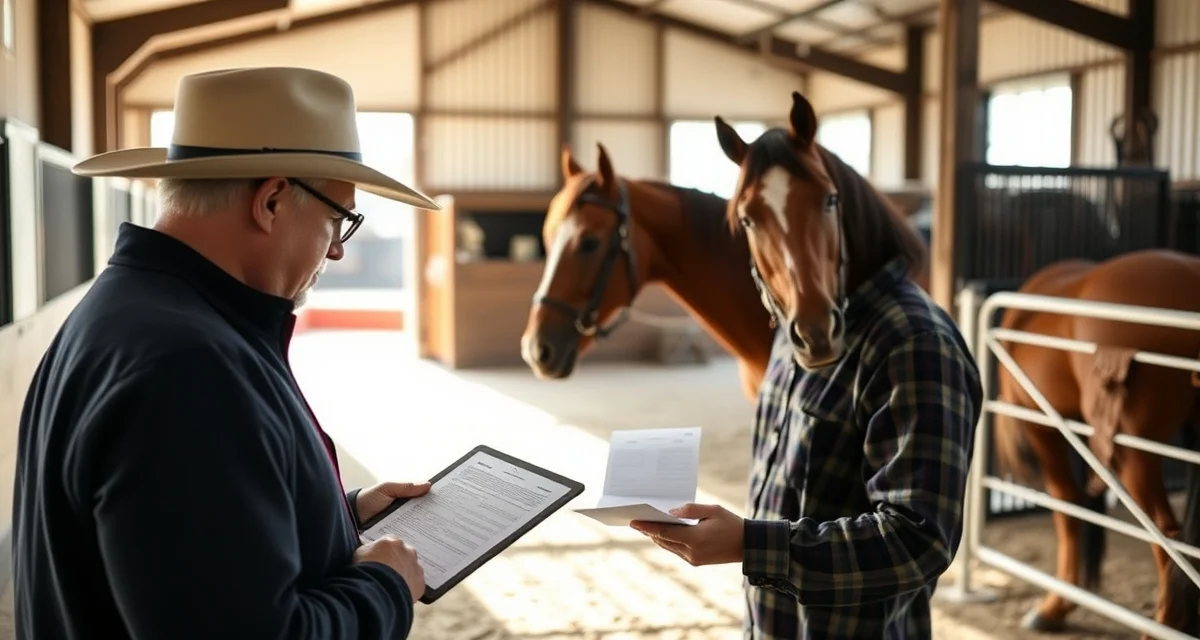
Team Roping Barn Owner Communication: Progress and Updates
Team roping barn owner communication runs on a different rhythm than other disciplines. Owners are tracking two horses, two athletes, and a partnership that has to click under pressure, and they want updates that reflect all of it. Generic barn software wasn't built for that, and most communication guides don't come close to addressing it.
TL;DR
- Team Roping clients need training progress updates that use concrete, objective markers rather than general impressions.
- Each horse entering a team roping training program should have a documented program goal and rough timeline at intake.
- Monthly progress reviews comparing current status against the original program plan demonstrate value to clients and protect the trainer.
- Progress documentation with timestamps creates a record that supports the trainer if a client disputes whether advancement occurred.
- Video and photo updates tied to specific milestones give team roping owners visibility that written reports alone cannot provide.
This guide walks through exactly how to structure your owner communication process at a team roping facility, from what to report to how to deliver it efficiently.
Why Team Roping Owner Communication Is Different
Most barn management communication advice assumes one horse, one rider, one training goal. Team roping doesn't work that way.
A single client might own a header horse, a heeler horse, or both. They're often competing as a team with a partner who boards elsewhere. Progress in team roping is measured in runs, not just individual horse development, which means your updates need to capture performance context that a generic health-and-feeding report completely misses.
Owners who compete seriously are also tracking their NFR qualifications, USTRC numbers, and average times. They expect their barn manager to understand what those numbers mean and report accordingly.
Step 1: Define What "Progress" Means for Each Horse
Separate Header and Heeler Metrics
Before you write a single update, get clear on what you're measuring. A header horse's progress looks different from a heeler horse's progress. Headers need to rate cattle cleanly, hold a consistent position, and give the roper a good shot. Heelers need to read the swing, time their approach, and stay collected through the catch.
Build a simple tracking sheet for each horse that lists the specific skills relevant to their position. This becomes the backbone of every update you send.
Set Baseline Performance Markers
At intake, document where the horse is starting. How many runs per week? What cattle size? What's the horse's current rating? These baselines let you show measurable progress over time instead of writing vague updates like "doing well."
Owners respond to specifics. "Your horse completed 14 clean runs this week at 500-pound cattle, up from 9 runs two weeks ago" is a report worth paying for.
Step 2: Build a Weekly Update Template
What to Include Every Week
A solid weekly update for a team roping client covers five areas:
- Run count and quality, How many runs, how many clean catches, any notable issues
- Cattle exposure, Weight class, temperament, any new challenges introduced
- Physical condition, Soundness check, any soreness or swelling, farrier or vet notes
- Behavioral notes, How the horse is handling pressure, any attitude changes
- Next week's plan, What you're working on and why
Keep each section to 2-4 sentences. Owners don't need an essay. They need enough information to feel confident their horse is in good hands.
Timing Matters
Send updates on a consistent day. Most team roping barn managers find that Friday afternoon works well, owners are thinking about weekend competitions and appreciate a fresh status report before they head to an event.
If something significant happens mid-week (a vet call, an injury, a breakthrough run), send a separate note immediately. Don't wait for the weekly update cycle.
Step 3: Use an Owner Portal Built for This Workflow
Email threads get buried. Text messages get lost. A dedicated owner communication portal keeps every update, photo, video, and document in one place that owners can access anytime.
For team roping barns specifically, look for a portal that lets you log runs, attach video clips, and tag updates by horse and position. BarnBeacon's owner portal is built to adapt to discipline-specific workflows, which means you're not forcing team roping data into a template designed for dressage or hunter/jumper barns.
Video is particularly valuable in this discipline. A 30-second clip of a clean run communicates more than three paragraphs of description. If your portal supports video uploads tied to individual horse profiles, use it every week.
Step 4: Communicate Around Competition Schedules
Pre-Event Updates
Send a brief pre-event note 48 hours before any competition your client is entering. Cover the horse's current condition, any recent runs that are relevant, and your honest assessment of where the horse is at. Owners appreciate candor, if the horse had a rough week, say so and explain what you're doing about it.
Post-Event Debriefs
After a competition, follow up within 24 hours. Ask how the runs went, note anything the owner observed that you should factor into training, and adjust the plan accordingly. This closes the feedback loop and shows owners you're invested in their competitive results, not just their horse's daily care.
For more on structuring your full barn operation around competition schedules, see team roping barn operations.
Step 5: Handle Difficult Conversations Directly
When Progress Stalls
Every horse hits a plateau. When it happens, don't avoid the conversation. Reach out proactively, explain what you're seeing, and present a specific plan to address it. Owners who feel kept in the loop during hard stretches stay loyal. Owners who feel surprised by problems leave.
When Expectations Don't Match Reality
Some owners come in with unrealistic timelines. A green horse won't be competition-ready in 60 days. Address this early, in writing, with a realistic milestone schedule. Having it documented in your owner portal protects you and sets a professional tone for the relationship.
Common Mistakes Team Roping Barn Managers Make
Reporting only on health, not performance. Owners care that their horse is sound, but they also care whether the horse is making progress as a roping horse. Both matter.
Sending updates only when something goes wrong. Silence reads as neglect. Consistent positive updates build trust that makes difficult conversations easier when they come.
Using generic templates that don't reflect the discipline. An update that mentions "flatwork" or "jump schools" signals to a team roping client that you're not paying attention. Use language that fits the sport.
Skipping video. In a discipline where timing and position are everything, video evidence of progress is worth more than any written description.
Waiting for owners to ask. Proactive communication is the baseline expectation for any professional barn. If owners are chasing you for updates, you've already lost their confidence.
Related Articles
FAQ
How do I communicate with team roping horse owners?
Use a consistent weekly update schedule that covers run counts, cattle exposure, physical condition, and the training plan for the following week. Supplement written updates with short video clips of actual runs. A dedicated owner portal keeps everything organized and accessible without relying on email or text threads.
What do team roping owners want to know about their horses?
Team roping owners want performance data, not just care reports. They want to know how many runs their horse completed, how clean those runs were, what cattle the horse worked, and whether the horse is progressing toward their competitive goals. Physical health updates matter, but they're table stakes, performance context is what separates a professional barn from a basic boarding facility.
What owner portal features matter for team roping barns?
Look for a portal that supports video uploads tied to individual horse profiles, run logging with notes, and discipline-specific update templates. The ability to track progress over time with searchable history is valuable when owners have questions about a horse's development arc. BarnBeacon's owner communication portal is designed to support these workflows without requiring you to adapt a generic system to fit your barn's needs.
Consistent, specific, discipline-aware communication is what separates team roping barns that retain clients from those that lose them to competitors. Build the system once, run it every week, and let the results speak for themselves.
How often should training progress updates be sent to team roping clients?
A consistent weekly or bi-weekly update schedule works better than updates sent only when something notable happens. Team Roping owners who receive regular updates on a predictable schedule are significantly less likely to initiate check-in calls or express concern about their horse's progress. Set the update frequency at intake and hold to it; consistency matters as much as content.
How do I document team roping training progress in a way that demonstrates value to clients?
Document progress against the specific goals established at the start of the program, not against general training benchmarks. A team roping client who enrolled with a defined competition goal needs to see their horse's development measured against that goal. When progress is slower than expected, proactive documentation of the reason maintains owner confidence far better than silence or vague reassurance.
What is Team Roping Barn Owner Communication: Progress and Updates?
Team Roping Barn Owner Communication: Progress and Updates is a structured approach to keeping horse owners informed throughout a team roping training program. Because team roping involves two horses, two athletes, and a synchronized partnership, generic updates fall short. This framework covers how trainers should document intake goals, deliver monthly progress reviews, use video milestones, and create timestamped records that demonstrate measurable advancement and protect both the trainer and client relationship.
How much does Team Roping Barn Owner Communication: Progress and Updates cost?
Team Roping Barn Owner Communication: Progress and Updates is a best-practice communication framework, not a paid product or software subscription. The strategies outlined — structured intake documentation, monthly progress reviews, video updates tied to milestones — can be implemented using existing barn management tools or simple templates. Any costs involved would relate to the software or tools a trainer chooses to execute these practices, not the communication framework itself.
How does Team Roping Barn Owner Communication: Progress and Updates work?
This communication approach works by establishing clear program goals at intake, then tracking progress against those benchmarks throughout training. Trainers deliver monthly reviews comparing current status to the original plan, supplement written reports with timestamped video and photo updates at key milestones, and maintain objective documentation using concrete markers rather than general impressions. This creates a transparent record that demonstrates value to owners and provides trainers with a defensible history if progress is ever disputed.
Sources
- American Quarter Horse Association (AQHA)
- National Reining Horse Association (NRHA)
- National Cutting Horse Association (NCHA)
- American Horse Council
- Oklahoma State University Extension Equine Program
Get Started with BarnBeacon
Team Roping clients who receive consistent, objective progress updates stay enrolled longer and refer more clients than those who hear only when something goes wrong. BarnBeacon's training log and owner communication tools make it straightforward to document session progress and share updates through a client portal -- without adding significant time to a trainer's day. If structured team roping client communication is not yet part of your program, BarnBeacon makes it practical to start.