Vaulting Barn Owner Communication: Records and Updates
Most barn management software is built for boarding and training facilities. Vaulting barns have a different structure entirely, and the communication gaps that creates are real and recurring.
TL;DR
- Vaulting facilities benefit from centralized vet records accessible to the treating vet, barn manager, and owner from a single platform.
- Vaccination histories, Coggins results, and current medication lists should be available without searching through paper files during a vet visit.
- Digital vet records with timestamps create an audit trail that protects the barn if a horse's care history is later questioned.
- Vaulting horse health records should include competition eligibility documentation and any discipline-specific compliance requirements.
- Sharing vet records digitally with owners eliminates the communication gap that occurs when verbal summaries replace written documentation.
Vaulting disciplines have unique owner communication patterns not covered by generic barn software. Horses in a vaulting program carry multiple athletes, work in lunging rotations, and are evaluated on temperament and movement quality in ways that differ from sport horse or hunter/jumper contexts. Owners need updates that reflect that reality, not a generic feeding log.
This guide walks through how to set up vaulting barn owner communication that actually works, from the records you need to share to the tools that make it repeatable.
Why Generic Barn Software Falls Short for Vaulting
A standard boarding update covers feeding, turnout, and the occasional vet note. That works fine for a horse standing in a stall waiting for its one rider.
Vaulting horses are different. A single horse may work with 8 to 12 athletes per week across beginner, intermediate, and competitive squads. Their workload is tracked in lunging minutes, not ride time. Their soundness evaluations often include temperament scoring and back tension assessments that don't fit into a standard health record field.
When owners ask "how is my horse doing," they're asking about a complex picture. If your communication system can't paint that picture, you're either spending hours writing custom emails or leaving owners in the dark.
Step 1: Identify What Vaulting Owners Actually Need
Workload and Rotation Records
Owners want to know how often their horse is working and at what intensity. For vaulting, that means lunging session logs with duration, the number of athletes using the horse per session, and any notes on gait quality or energy level.
Keep this simple. A weekly summary showing total lunging time, number of sessions, and athlete load is more useful than a daily timestamp dump.
Health and Soundness Updates
Vaulting horses carry significant back and hock stress. Owners should receive prompt notification of any vet visits, farrier appointments, bodywork sessions, or changes in movement quality.
Don't wait for a formal report. A brief note sent the same day a chiropractor visits is worth more than a detailed write-up sent two weeks later.
Behavioral and Temperament Notes
This is where vaulting communication diverges most sharply from other disciplines. Owners often want to know if their horse is showing signs of stress, resistance on the lunge, or changes in how they respond to athletes mounting and dismounting.
Build a simple behavioral checklist into your update template. Even a three-point scale (relaxed, neutral, tense) gives owners meaningful data over time.
Step 2: Build a Repeatable Communication Template
Weekly Update Structure
A consistent format saves you time and sets owner expectations. A solid weekly update for a vaulting horse includes:
- Total lunging sessions and minutes for the week
- Athlete load (number of vaulters using the horse)
- Any health or soundness observations
- Behavioral notes using your standard scale
- Upcoming appointments or schedule changes
Keep it under 200 words. Owners read short updates. They skim long ones.
Triggered Notifications
Some updates shouldn't wait for the weekly cycle. Set up immediate notifications for vet calls, lameness observations, injury to an athlete involving the horse, or any unplanned changes to the horse's program.
This is where a dedicated owner communication portal pays for itself. Manual email chains for urgent updates create delays and documentation gaps.
Step 3: Choose the Right Tool for Your Barn
What to Look For
Most barn management platforms handle basic health records and billing. Few handle the vaulting-specific data points that matter to owners.
When evaluating tools, look for:
- Custom fields for lunging session data
- Athlete load tracking per horse
- Behavioral note templates
- Automated weekly digest options
- Owner-facing portal with read access to records
Some tools lack the ability to customize record fields beyond standard boarding categories. That forces barn managers to maintain parallel spreadsheets, which creates version control problems and communication delays.
How BarnBeacon Fits Vaulting Workflows
BarnBeacon's owner portal is built to adapt to discipline-specific reporting needs, not just generic boarding logs. For vaulting barns, that means you can configure the horse profile to capture lunging metrics, athlete load, and behavioral scoring alongside standard health records.
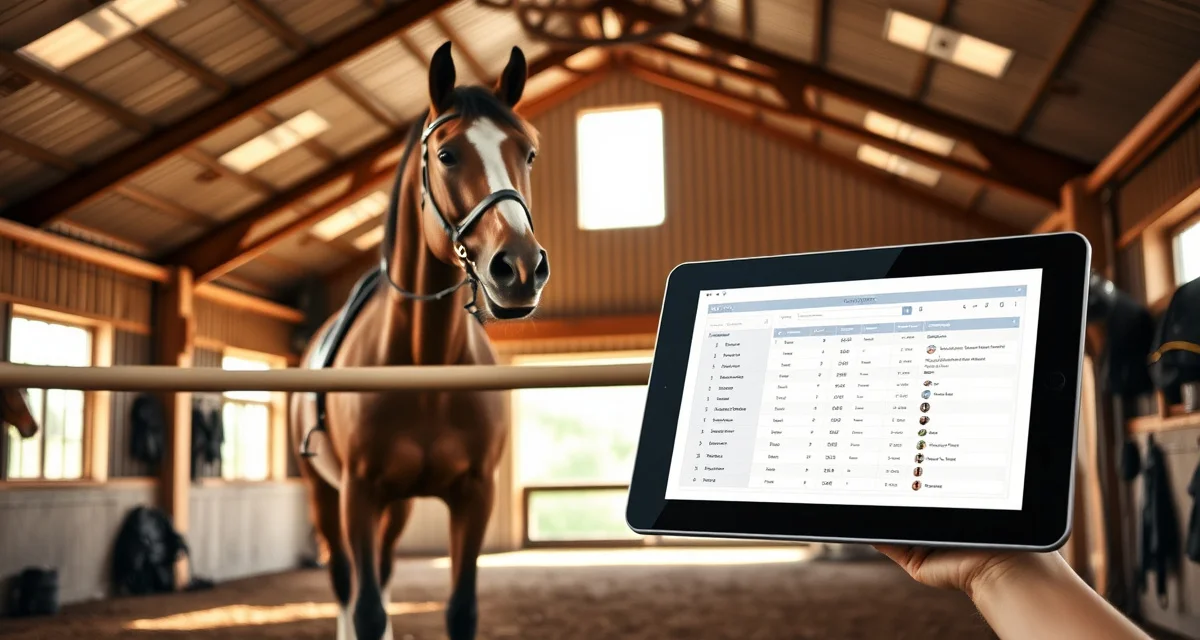
Owners log in and see a real-time view of their horse's activity, not a static PDF sent once a month. When a vet visit happens, the record is attached to the horse's profile and the owner receives an automatic notification.
For facilities managing vaulting barn operations across multiple squads and horse rotations, having all of that data in one place reduces the administrative overhead significantly.
Step 4: Set Communication Expectations with Owners
Onboarding Conversation
Before a horse enters your program, have a direct conversation about how you communicate. Cover the frequency of updates, what triggers an immediate notification, and how owners can reach you with questions.
Put this in writing. A one-page communication agreement signed at intake prevents the "I never heard about that" conversation six months later.
Response Time Standards
Set clear expectations for how quickly you respond to owner inquiries. A 24-hour response window for non-urgent questions is reasonable for most facilities. Urgent health matters should have a same-day standard.
Post these standards in your owner portal so they're visible without anyone having to ask.
Step 5: Document Everything in One Place
Centralized Records Matter
Scattered records create liability exposure. If an owner disputes a health decision or an athlete's parent asks about a horse's soundness history, you need to pull complete documentation quickly.
Every vet record, farrier visit, bodywork session, and behavioral note should live in the same system. Attachments, photos, and practitioner invoices included.
Audit Trail for Athlete Safety
Vaulting barns carry a specific responsibility that most boarding facilities don't: the horses are used by young athletes. If a horse's behavior changes and an incident occurs, your communication records are part of the safety documentation.
Consistent, timestamped updates to owners aren't just good service. They're part of responsible facility management.
Common Mistakes to Avoid
Waiting for problems to communicate. Owners who only hear from you when something is wrong develop anxiety about their horse's wellbeing. Regular positive updates build trust.
Using too many channels. Text, email, Facebook message, and phone calls for the same horse creates confusion. Pick one primary channel and stick to it.
Skipping behavioral notes. Health records without behavioral context give owners an incomplete picture. A horse can be physically sound and still showing signs of stress that owners need to know about.
Over-promising update frequency. If you tell owners you'll send daily updates and then miss three days, you've created a problem. Set a realistic schedule and hit it consistently.
Related Articles
FAQ
How do I communicate with vaulting horse owners?
Use a consistent weekly update format that covers lunging workload, athlete load, health observations, and behavioral notes. Supplement that with immediate notifications for any urgent health or safety events. A dedicated owner portal keeps all records in one place and reduces back-and-forth email.
What do vaulting owners want to know about their horses?
Vaulting owners want workload data specific to lunging programs, not just general activity logs. They also want behavioral and temperament updates, since their horses carry multiple athletes and stress patterns matter. Health and soundness records, including bodywork and farrier visits, round out what most owners expect to see regularly.
What owner portal features matter for vaulting barns?
Look for custom record fields that support lunging metrics and athlete load tracking, automated notification triggers for health events, and a clean owner-facing view that doesn't require you to manually compile reports. The ability to attach vet records and practitioner notes directly to the horse profile is essential for maintaining a complete audit trail.
How should vaulting facilities handle vet records when a horse transfers to a new barn?
When a horse leaves your facility, provide the new barn with a complete digital copy of the horse's health record including vaccination history, Coggins certificate, current medications, and any ongoing treatment plans. Make this a standard part of your departure process rather than something done only when requested. Vaulting horse owners expect continuity of care documentation and a complete transfer record demonstrates your facility's professional standards.
Who at the barn should have permission to view and update vet records?
The barn manager should have full access to view and update vet records. Senior staff responsible for daily care should have read access to the sections relevant to their care duties -- current medications, dietary restrictions, and known conditions. Define access levels before implementing digital records, not after.
What is Vaulting Barn Owner Communication: Records and Updates?
Vaulting Barn Owner Communication: Records and Updates refers to the systems and practices vaulting facilities use to keep horse owners informed about their animals' health, vet records, and care history. Unlike boarding or training barns, vaulting programs require documentation that reflects multi-athlete workloads, lunging rotations, and discipline-specific compliance. Centralized digital records ensure owners, barn managers, and vets share accurate, timestamped information without relying on verbal summaries or paper files.
How much does Vaulting Barn Owner Communication: Records and Updates cost?
BarnBeacon offers digital record-keeping and owner communication tools designed for equine facilities, including vaulting barns. Pricing varies by plan and facility size. Visit BarnBeacon.com to view current subscription tiers and any free trial options. There is no single fixed cost, as features scale with the number of horses and users at your facility.
How does Vaulting Barn Owner Communication: Records and Updates work?
Vaulting barn owner communication works by centralizing vet records, vaccination histories, Coggins results, and medication lists in a shared digital platform accessible to barn managers, owners, and veterinarians. When a vet visit occurs or a horse's status changes, updates are logged with timestamps and shared directly with owners, replacing delayed verbal reports with real-time written documentation that also supports competition eligibility tracking.
Sources
- American Association of Equine Practitioners (AAEP)
- American College of Veterinary Internal Medicine (ACVIM)
- Cornell University College of Veterinary Medicine
- University of California Davis School of Veterinary Medicine
- The Horse magazine
Get Started with BarnBeacon
Vaulting facility managers who share vet records digitally give treating vets a complete clinical picture, give owners real-time visibility into their horse's care, and give themselves a documented record that protects the facility when health questions arise. BarnBeacon stores each horse's health history in a single accessible record that updates in real time and is accessible from any device. If your current approach to vet record management involves paper files or scattered spreadsheets, BarnBeacon offers a more reliable system.