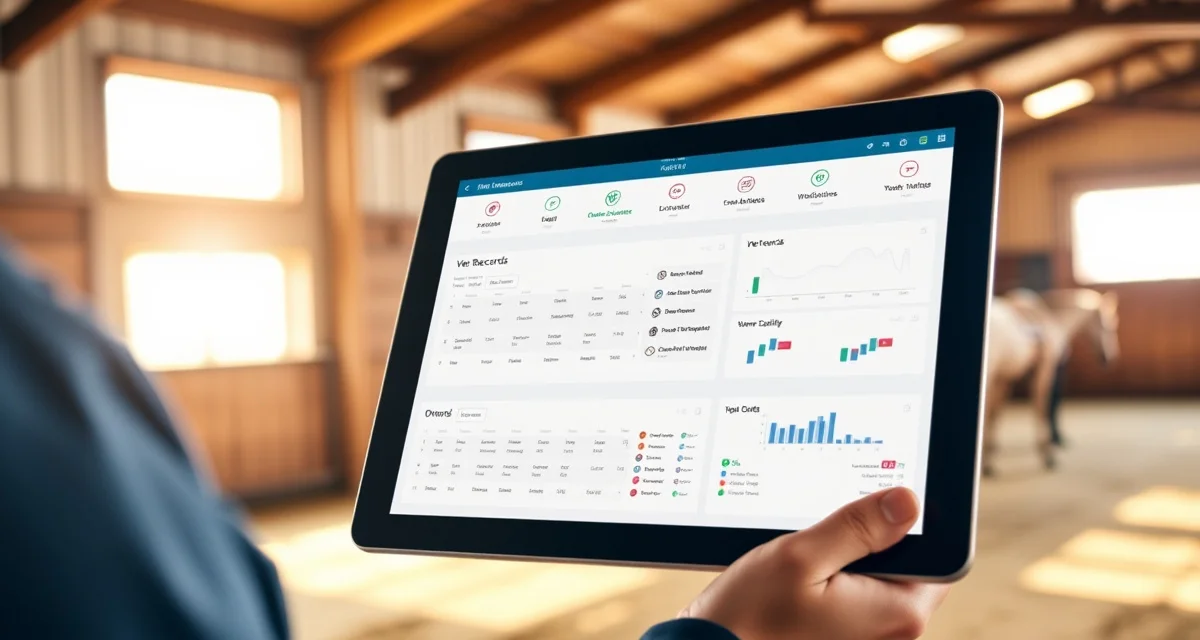
Cutting Barn Owner Communication: Records and Updates
Most barn management software treats all disciplines the same. That's a problem for cutting barn managers, because cutting disciplines have unique owner communication patterns that generic tools simply don't account for.
TL;DR
- Cutting facilities benefit from centralized vet records accessible to the treating vet, barn manager, and owner from a single platform.
- Vaccination histories, Coggins results, and current medication lists should be available without searching through paper files during a vet visit.
- Digital vet records with timestamps create an audit trail that protects the barn if a horse's care history is later questioned.
- Cutting horse health records should include competition eligibility documentation and any discipline-specific compliance requirements.
- Sharing vet records digitally with owners eliminates the communication gap that occurs when verbal summaries replace written documentation.
Cutting horse owners track different metrics, ask different questions, and operate on different timelines than pleasure or hunter/jumper owners. A system built for a boarding barn won't capture NCHA points, cow work session notes, or futurity prep milestones. This guide walks you through a practical process for getting cutting barn owner communication right, from daily updates to vet record sharing.
Why Cutting Barn Communication Is Different
Cutting owners are often deeply invested in performance outcomes. Many are tracking horses toward specific futurities or derbies, which means they want progress updates tied to competitive timelines, not just feeding and turnout confirmations.
They also tend to be more hands-on. Owners frequently attend practice sessions, work with trainers remotely, and make decisions about showing schedules based on the information you send them. If your updates are vague or delayed, it creates friction and erodes trust.
Generic barn software misses this context entirely. What cutting barn managers need is a structured communication workflow that matches how the discipline actually operates.
Step 1: Set Up a Centralized Owner Profile for Each Horse
Collect the Right Information Upfront
Before you send a single update, build a complete owner profile that includes contact preferences, show goals, and the horse's current competitive status. Know whether the owner wants daily texts, weekly summaries, or only event-triggered notifications.
Include fields for NCHA membership numbers, futurity eligibility, and current point standings. These details will come up in conversations, and having them centralized saves time.
Establish Communication Preferences in Writing
Ask each owner directly: how often do they want updates, through what channel, and what level of detail? Some owners want every vet visit documented. Others only want to hear about significant changes.
Document this in your system so any staff member can follow the same protocol. Inconsistent communication is one of the top complaints cutting horse owners have about facilities.
Step 2: Build a Consistent Update Template for Cutting-Specific Milestones
What to Include in a Routine Update
A standard cutting barn update should cover: training session notes (including cow work quality and cattle used), feed and supplement changes, turnout and conditioning status, and any health observations. Keep it factual and specific.
Avoid vague language like "doing well." Instead, write "completed three 20-minute cow work sessions this week, showing improved rate and stop consistency." Owners remember specifics, and specifics build confidence.
Tracking Futurity and Derby Prep Progress
If a horse is on a futurity timeline, your updates should reference that timeline explicitly. Note where the horse is in its prep schedule, what milestones have been hit, and what the next 30 days look like.
This kind of structured reporting is what separates professional cutting facilities from average boarding operations. It also reduces the number of inbound calls and texts you get from anxious owners.
Step 3: Share Vet Records and Health Documentation Promptly
Create a Standard Vet Record Sharing Protocol
Every vet visit should trigger an owner notification within 24 hours. Include the date, the attending vet, the reason for the visit, findings, and any follow-up instructions. Attach documents or photos where relevant.
Don't wait for owners to ask. Proactive documentation builds trust and protects you legally if questions arise later about a horse's care history.
Organize Records by Horse, Not by Date
When owners need to pull records for a sale, insurance claim, or competition entry, they search by horse. Structure your filing system the same way. A well-organized owner communication portal lets owners access their horse's complete history without calling the office.
Vaccination records, Coggins tests, dental work, and farrier notes should all live in one place, accessible to the owner at any time.
Step 4: Use an Owner Portal Built for Cutting Barn Workflows
What a Discipline-Specific Portal Looks Like
A generic owner portal shows feeding logs and turnout schedules. A cutting-specific portal also tracks cow work sessions, trainer notes tied to competitive goals, and performance milestones. BarnBeacon's owner portal adapts to cutting barn workflows and reporting needs, giving managers a way to communicate in the language cutting owners actually use.
The difference matters. When an owner logs in and sees their horse's progress framed around futurity prep rather than generic daily care, they feel informed and engaged rather than left out.
Automate Routine Updates Without Losing the Personal Touch
Set up automated notifications for scheduled events: farrier visits, vet appointments, show entries, and conditioning milestones. This keeps owners in the loop without adding manual work to your day.
Reserve your personal communication for the moments that actually require it: unexpected health issues, training breakthroughs, or decisions that need owner input. Automation handles the routine; you handle the relationship.
Step 5: Communicate Show Results and Point Standings
Send Results Within 24 Hours of Competing
Cutting owners want to know how their horse performed as soon as possible. Send a brief results update that includes the show name, class, score, placing, and any trainer observations about the run. A two-paragraph message sent the same evening beats a detailed report sent three days later.
If the run didn't go well, be honest. Owners respect transparency, and they'll hear about it anyway through the cutting community. Your version of events should come first.
Track NCHA Points and Lifetime Earnings in Your System
Point standings and lifetime earnings are meaningful data points for cutting owners. Keeping these updated in your management system means you can answer questions instantly and include them in periodic owner reports.
For a deeper look at how this fits into your overall facility management approach, see our guide on cutting barn operations.
Common Mistakes to Avoid
Waiting for owners to ask. Proactive communication is the standard in professional cutting facilities. If an owner has to chase you for information, you've already lost ground.
Using generic templates. A message that could apply to any horse at any barn signals that you're not paying close attention. Cutting owners notice when updates feel copy-pasted.
Mixing communication channels without a system. Texts, emails, phone calls, and portal messages all happening in parallel creates confusion and gaps. Pick a primary channel for each owner and stick to it.
Skipping documentation on minor health events. A small lameness observation that goes undocumented can become a significant dispute later. Log everything.
How do I communicate with cutting horse owners?
Use a combination of a structured owner portal, scheduled update templates, and direct communication for significant events. Establish each owner's preferences upfront and document them. Cutting owners generally want more detail than average boarding clients, particularly around training progress and competitive timelines.
What do cutting owners want to know about their horses?
Cutting owners prioritize training session quality, cow work notes, futurity or derby prep progress, health and vet records, and show results including scores and NCHA points. They want updates framed around performance goals, not just daily care routines.
What owner portal features matter for cutting barns?
Look for a portal that supports discipline-specific fields like cow work logs, competitive milestone tracking, and point standings. It should allow document storage for vet and Coggins records, automated notifications for scheduled events, and easy access to a horse's complete history. BarnBeacon's owner portal is built to handle these cutting-specific needs without requiring workarounds.
How should cutting facilities handle vet records when a horse transfers to a new barn?
When a horse leaves your facility, provide the new barn with a complete digital copy of the horse's health record including vaccination history, Coggins certificate, current medications, and any ongoing treatment plans. Make this a standard part of your departure process rather than something done only when requested. Cutting horse owners expect continuity of care documentation and a complete transfer record demonstrates your facility's professional standards.
Who at the barn should have permission to view and update vet records?
The barn manager should have full access to view and update vet records. Senior staff responsible for daily care should have read access to the sections relevant to their care duties -- current medications, dietary restrictions, and known conditions. Define access levels before implementing digital records, not after.
Related Articles
FAQ
What is Cutting Barn Owner Communication: Records and Updates?
Cutting Barn Owner Communication: Records and Updates refers to the systems and processes cutting barn managers use to keep horse owners informed through organized digital records, vet documentation, and milestone updates. Unlike generic boarding facilities, cutting barns must track NCHA points, cow work sessions, futurity prep progress, and competition eligibility alongside standard health records. A structured communication approach ensures owners receive accurate, timely written documentation rather than verbal summaries that can lead to gaps or disputes.
How much does Cutting Barn Owner Communication: Records and Updates cost?
Most barn management software platforms that support cutting-specific record keeping and owner communication range from $50 to $300 per month depending on the number of horses managed and features included. Some platforms charge per horse, while others offer flat-rate facility pricing. Free tiers with limited functionality exist but typically lack cutting-specific fields like NCHA tracking or futurity milestone logging. The investment is often offset by reduced administrative time and fewer owner disputes.
How does Cutting Barn Owner Communication: Records and Updates work?
Cutting barn owner communication works by centralizing all horse records—vet visits, vaccinations, Coggins results, medication logs, and training notes—into a shared digital platform accessible by the barn manager, treating vet, and horse owner simultaneously. When a vet visit occurs or a training milestone is reached, the system logs it with a timestamp. Owners receive updates directly rather than relying on phone summaries, and records are available on-demand without searching through paper files.
What are the benefits of Cutting Barn Owner Communication: Records and Updates?
Key benefits include reduced administrative burden, fewer miscommunications, and a clear audit trail protecting the barn if care history is ever questioned. Cutting-specific benefits include the ability to log NCHA points, cow work session outcomes, and futurity prep milestones in context with health records. Owners feel more confident when they have direct access to documentation, and vets can review complete histories before appointments, improving care quality and reducing redundant questions during barn visits.
Who needs Cutting Barn Owner Communication: Records and Updates?
Cutting barn managers, facility owners, and professional trainers who board client horses benefit most from structured owner communication systems. This is especially important for barns preparing horses for NCHA futurities or aged events where owners are closely tracking competition eligibility, health compliance, and training progress. Barns with five or more client horses typically see the clearest return, as manual communication methods become unsustainable and the risk of documentation gaps increases with scale.
How long does Cutting Barn Owner Communication: Records and Updates take?
Initial setup of a digital cutting barn communication system typically takes one to two weeks, including importing existing records, configuring horse profiles, and onboarding owners to the platform. Ongoing time investment is minimal—most managers report spending ten to fifteen minutes per horse per week maintaining records and sending updates. The upfront time cost is quickly recovered through fewer owner phone calls, less time locating paper documents during vet visits, and faster responses to owner inquiries.
What should I look for when choosing Cutting Barn Owner Communication: Records and Updates?
Look for a platform that supports cutting-specific data fields such as NCHA point tracking, cow work session logging, and futurity eligibility documentation alongside standard health record management. The system should allow role-based access so vets, managers, and owners each see appropriate information. Timestamped entries, mobile accessibility, and direct owner notifications are essential. Avoid generic boarding software that forces cutting barns to use workaround fields—purpose-built or highly configurable tools will save significant time in the long run.
Is Cutting Barn Owner Communication: Records and Updates worth it?
For cutting barns managing client horses, structured owner communication and digital records are worth the investment. The combination of discipline-specific tracking, transparent documentation, and reduced verbal communication errors addresses real pain points that generic tools ignore. Owners who can access records directly report higher satisfaction and fewer disputes. Managers spend less time on administrative catch-up. The audit trail also provides meaningful legal and reputational protection if a horse's care history is ever challenged after a health incident or ownership change.
Sources
- American Association of Equine Practitioners (AAEP)
- American College of Veterinary Internal Medicine (ACVIM)
- Cornell University College of Veterinary Medicine
- University of California Davis School of Veterinary Medicine
- The Horse magazine
Get Started with BarnBeacon
Cutting facility managers who share vet records digitally give treating vets a complete clinical picture, give owners real-time visibility into their horse's care, and give themselves a documented record that protects the facility when health questions arise. BarnBeacon stores each horse's health history in a single accessible record that updates in real time and is accessible from any device. If your current approach to vet record management involves paper files or scattered spreadsheets, BarnBeacon offers a more reliable system.