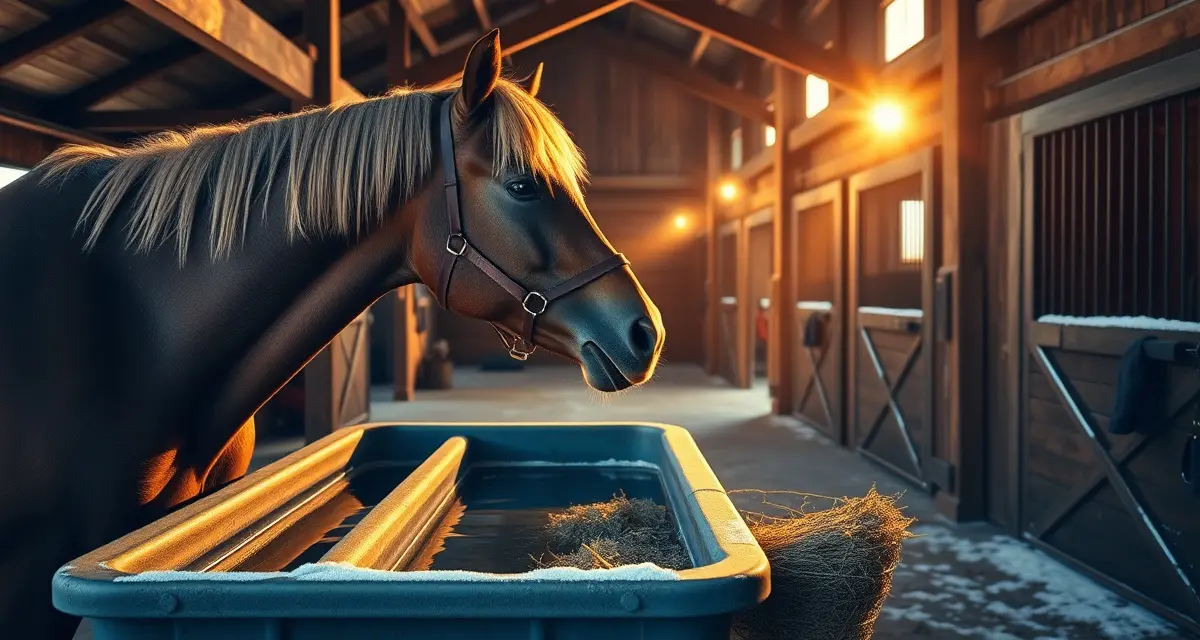
Winter Barn Management Guide
Winter barn management is harder than summer barn management, and the gap between a well-prepared facility and an unprepared one becomes visible fast when temperatures drop. According to equine veterinary practice data, colic incidence increases significantly during cold weather transitions, partly because horses drink less when water is cold and partly because forage changes and reduced turnout alter gut motility. The barn management decisions you make in early winter directly affect how many of those colic cases show up in your barn.
TL;DR
- Colic incidence increases significantly during cold weather transitions, primarily because horses drink less when water is cold.
- Heated water systems maintaining 45-65 degrees Fahrenheit produce the most reliable improvement in winter water intake.
- A healthy unclipped horse generally does not need a blanket until temperatures fall below 20-30 degrees Fahrenheit; clipped horses need blanketing much earlier.
- Late-night hay feeding during cold weather supports body temperature regulation through the coldest overnight hours.
- Winter body condition monitoring requires hands-on BCS assessment, since winter coats hide condition changes that are immediately visible in summer.
This guide covers every major dimension of winter barn management: water and heating systems, blanketing protocols, feed and forage management, footing maintenance, scheduling adjustments, and how BarnBeacon's barn management software supports winter operations. The complete barn management guide covers year-round management in more detail.
Water Management in Cold Weather
Water is the most critical winter management challenge at any barn. Horses need to drink adequate water to maintain gut motility, and cold water significantly reduces voluntary water intake. A horse that normally drinks 8 to 10 gallons per day may drink significantly less when water temperature is near freezing.
Heated water systems are the most effective solution for maintaining adequate water intake in winter. Heated automatic waterers maintain water at a temperature that horses will readily drink. Bucket heaters are an alternative for stall situations without automatic waterers. Water temperature between 45 and 65 degrees Fahrenheit is the range where horses drink most readily.
Monitoring water intake becomes a daily priority in cold weather. At morning feed, note whether the water level has dropped from the previous check, a sign that the horse is drinking. A horse that hasn't touched its water overnight during cold weather is a health concern that warrants attention.
Pipe freeze protection requires advance preparation before the first hard freeze. Know where your water shutoffs are. Insulate exposed pipes before temperatures drop. Have a plan for what you'll do if the barn water system freezes, typically, this involves hauling water, which is labor-intensive and time-consuming at large operations.
Snow and ice management around water sources and high-traffic areas is both a horse safety and staff safety issue. Ice in paddocks, at water access points, and on barn aisles causes falls and injuries. A sand, gravel, or rubber mat surface in high-traffic areas, combined with regular clearing of ice accumulation, reduces injury risk significantly.
Feed and Forage in Winter
Cold weather increases a horse's caloric requirements. A horse maintaining weight on summer pasture may need significant hay supplementation in winter, and a horse in hard work during cold weather may need concentrated feed increases as well.
Forage is the primary tool for meeting increased caloric requirements in winter. Hay digestion produces more heat than grain digestion, which makes forage not just a caloric source but a warming mechanism. Horses with free-choice or abundant hay access are better able to maintain body temperature in cold weather than horses on restricted forage.
Body condition monitoring should be intensified in winter. Winter coats hide body condition changes that would be immediately visible in summer. Hands-on body condition scoring, actually feeling the horse's ribs and topline rather than looking at their coat, should happen at least monthly throughout winter, and more frequently for older horses, hard keepers, or horses with metabolic issues.
Feed schedule adjustments may be necessary in severe cold. Adding a late-night hay feeding during cold weather is a common practice at well-managed facilities. The last hay feeding of the day, delivered close to the coldest part of the night, helps horses maintain body temperature through the hours when metabolic demands are highest.
Senior and special needs horses require extra monitoring in winter. Older horses lose body condition more rapidly in cold weather and may have dental issues that limit their ability to process hay effectively. Soaked hay or senior feed may be necessary for horses with significant dental wear.
Blanketing Protocols
Blanketing is one of the most-debated topics in horse management, and the debate is largely unnecessary if you have a clear facility protocol and stick to it.
When to blanket depends on several factors: the horse's body condition, clip status, age, and the ambient temperature. A healthy, unclipped horse in good body condition generally does not need a blanket until temperatures drop below approximately 20 to 30 degrees Fahrenheit, depending on wind and precipitation. A clipped horse needs a blanket at much higher temperatures, typically below 50 degrees for a horse with a full body clip.
Blanket weight selection should match conditions. A light sheet for rain protection, a mid-weight blanket for moderate cold, and a heavy blanket for severe cold are the three most commonly needed weights. Having all three available for each horse that will be blanketed gives you the flexibility to respond to weather changes.
Blanketing consistency matters. A horse that is blanketed one cold night and left unblanketed the next has less ability to regulate body temperature than a horse managed consistently. Choose a protocol and apply it consistently rather than blanketing based on whether someone remembered.
Daily blanket checks should verify that blankets are still correctly fitted, haven't shifted or twisted during the night, and aren't causing rub marks at the withers, shoulders, or chest. A blanket that has twisted and is pulling on one shoulder can cause significant discomfort and soft tissue injury.
Logging blanket changes in BarnBeacon creates a clear record of which horses are blanketed, at what weight, and when blanket changes have been made. This is particularly useful at facilities with multiple staff members making blanketing decisions, it eliminates the guesswork about whether the overnight blanket was changed before turnout.
Footing and Traction Management
Footing management in winter is a safety issue for horses and staff alike. Ice, frozen ground, and muddy conditions after thaws all create injury risks.
Indoor arena footing in winter needs attention to moisture levels. Arenas that are too dry become dusty and can cause respiratory irritation. Arenas that are too wet become slippery. Regular dragging and moisture monitoring keeps footing in the rideable range. Temperature changes can affect footing significantly overnight, an arena that was perfect at 4 PM may be frozen or compacted by morning if temperatures drop.
Outdoor arena footing management in winter ranges from proactive (covering arenas to prevent freeze and protect footing) to reactive (managing whatever conditions present themselves). Facilities with covered or heated outdoor arenas have significantly more flexibility in winter training schedules than those without.
Pasture and paddock footing in winter requires attention to both ice and mud. Hard frozen ground is not inherently unsafe for horses in normal movement, but hard frozen hoof-churned surfaces are rough and uncomfortable for extended turnout. Ice at gates, water access points, and high-traffic areas is the most significant injury risk.
Hoof care in winter may include traction modifications. Horses that work or are turned out on icy surfaces may benefit from borium studs, ice nails, or snowball pads to prevent slipping. These decisions should be made in consultation with your farrier based on the horse's work level and typical surface conditions.
Training and Exercise in Cold Weather
Training schedules often change in winter, both because of weather constraints and because horses' needs change in cold weather.
Warm-up time should be extended in cold weather. A horse that needs 10 minutes of walking warm-up in summer may need 20 minutes or more in cold temperatures before their joints and soft tissues are ready for more demanding work. Skipping adequate warm-up in cold weather is a common cause of soft tissue injuries.
Cool-down time is equally important. A horse that returns to a stall still sweating heavily in cold weather is at risk for chilling. Wool coolers, walking until the horse is dry, and ensuring adequate airflow without drafts in the stall are all part of appropriate cold-weather cool-down management.
Exercise intensity adjustments may be appropriate during extreme cold. Most horses tolerate moderate work well in cold weather, but extreme effort during very cold temperatures, particularly in horses that breathe rapidly and deeply with cold air, can cause respiratory tract irritation.
Scheduling around weather windows is a practical reality at many facilities in climates with significant winter weather. Building flexibility into the training schedule so that work can be shifted to warmer parts of the day, or to the day after a storm rather than the day of, reduces both injury risk and staff frustration.
Staff Management in Winter
Winter creates additional staff demands at every barn. Cold weather, early darkness, and weather events all affect the work environment and the workload.
Additional labor for winter tasks, clearing ice, hauling water if systems freeze, managing blankets for a large number of horses, should be anticipated in staffing plans before winter arrives. Knowing who handles these tasks when conditions are severe, and having a plan for extreme weather events, prevents reactive scrambling during the worst conditions.
Safety protocols for staff in cold weather include appropriate clothing requirements, protocols for working in icy conditions, and clear communication about when certain outdoor tasks are unsafe. Staff injuries in winter, slips and falls, cold exposure, are real risks that well-managed facilities take seriously.
Emergency coverage planning for winter weather events should be established before the first major storm. Who covers if a staff member can't get to work because of weather? What is the minimum care protocol for a weather emergency when full staffing isn't possible? These decisions are easier to make in October than during an ice storm in January.
Get Started with BarnBeacon
Winter barn management requires tracking more variables -- water intake, blanket changes, feed adjustments, health observations -- across a full horse population at the season's highest-risk period. BarnBeacon's health logging and care tracking tools give your team the structure to apply winter protocols consistently and create a documented record that managers can review from anywhere. If winter management at your barn means more reactive responses and more owner calls about cold-weather concerns, BarnBeacon helps you stay ahead of the season.
Frequently Asked Questions
How do I prevent colic in winter?
Winter colic prevention centers on maintaining adequate water intake. Heated water systems that keep water at a temperature horses will readily drink are the most effective single intervention. Adding salt to feed increases water intake in many horses. Maintaining consistent forage access, rather than restricting hay, supports gut motility. Regular exercise and turnout, even in cold weather, also reduces colic risk compared to stall rest. Log daily water intake observations in BarnBeacon's health monitoring so that declining intake is visible across several days before it becomes a critical issue.
When should I blanket my horse in winter?
Blanketing decisions depend on the individual horse: their body condition score, clip status, age, and the ambient temperature and wind conditions. A healthy, unclipped horse in good condition generally does not need a blanket until temperatures fall below 20 to 30 degrees Fahrenheit. Clipped horses need blanketing at much higher temperatures. Senior horses or horses with poor body condition need blanketing earlier and at heavier weights than their healthy adult counterparts. Once you have established a blanketing protocol for each horse in your care, apply it consistently rather than making nightly judgment calls.
How do I manage a barn during a winter storm?
Storm management starts before the storm arrives. Fill all water buckets and tank heaters before temperatures drop. Check hay supply and make sure you have enough on hand without needing a delivery during the storm. Prepare your traction materials for ice. Know who is covering barn care if your primary staff can't get in. During the storm, prioritize horse safety: check water systems frequently, keep ice cleared from high-traffic areas, and reduce turnout if footing is unsafe. BarnBeacon's task logging supports the documentation of what checks were done during storm conditions, useful both for accountability and for reviewing what worked if the storm management process needs adjustment.
How do I prepare a barn for a severe winter storm?
Storm preparation should happen before the forecast deteriorates: fill all water buckets and check tank heater function, verify hay supply is sufficient for three to five days without a delivery, check traction material supply for icy conditions, and confirm your emergency staffing plan. Know in advance who covers if primary staff cannot get in due to weather. BarnBeacon's task logging supports documentation of all pre-storm preparation steps and the checks performed during storm conditions.
What are the signs that a horse is struggling with cold weather conditions?
Early signs of cold-related stress include reduced water intake (visible through water level checks), loose or reduced manure (indicating gut motility changes), weight loss that is only detectable by hands-on body condition scoring under a winter coat, and shivering. More acute signs include reluctance to move, hunching over the loins, or obvious muscle tension. Any combination of these signs warrants same-day attention, as cold-related health issues can escalate faster in horses already stressed by temperature or forage changes.
What is Winter Barn Management Guide?
A Winter Barn Management Guide is a comprehensive resource covering cold-weather care practices for horses and barn facilities. It addresses critical seasonal challenges including water intake management, blanketing decisions, ventilation, feeding adjustments, and body condition monitoring. The guide helps barn managers anticipate and prevent common winter health problems—particularly colic, which increases significantly during cold-weather transitions—by providing evidence-based protocols for keeping horses healthy and comfortable when temperatures drop.
How much does Winter Barn Management Guide cost?
A Winter Barn Management Guide is an informational resource, not a paid product, so there is no direct cost. Implementing its recommendations may involve expenses such as heated water systems, quality forage, appropriate blankets, and veterinary consultations. Costs vary widely depending on your facility size and current setup. However, proactive winter management typically reduces expensive emergency veterinary calls—colic treatment alone can cost hundreds to thousands of dollars—making upfront investment in prevention genuinely cost-effective.
How does Winter Barn Management Guide work?
A Winter Barn Management Guide works by walking barn managers through each key area of cold-weather horse care in a structured, practical way. You assess your current setup against recommended standards—water temperature, ventilation, blanketing thresholds, feeding schedules—then implement adjustments. For example, heated water systems are set to maintain 45–65°F to encourage adequate intake, late-night hay feedings are added to support overnight body temperature regulation, and body condition is assessed hands-on since winter coats mask visible changes.
What are the benefits of Winter Barn Management Guide?
The primary benefits include significantly reduced colic risk through improved water intake and gut motility, better body condition maintenance throughout winter, and fewer emergency veterinary interventions. Horses blanketed appropriately conserve energy rather than burning calories to stay warm. Late-night hay feeding supports natural thermoregulation during the coldest hours. Overall, following a structured winter management protocol produces healthier horses entering spring, reduces unplanned costs, and gives barn managers confidence that no critical area has been overlooked.
Who needs Winter Barn Management Guide?
Anyone responsible for horses during winter months benefits from a Winter Barn Management Guide—from first-time horse owners to experienced barn managers overseeing large facilities. It is especially valuable for those in regions with significant temperature drops, facilities transitioning horses between turnout and stabling, barns with clipped horses or horses in heavy work, and anyone who has experienced winter colic cases and wants to reduce recurrence. Equine veterinarians also recommend it as a preventive framework for their clients.
How long does Winter Barn Management Guide take?
There is no fixed duration—a Winter Barn Management Guide is an ongoing seasonal reference rather than a one-time process. Initial setup, such as installing heated waterers, adjusting feeding schedules, and evaluating blanket inventories, typically takes one to two weeks in early fall. Daily and weekly management practices then continue throughout the cold season. Body condition scoring should happen every two to four weeks, since winter coats hide changes that would be immediately apparent in summer. The full commitment spans the entire cold-weather period.
Related Articles
Sources
- American Association of Equine Practitioners (AAEP)
- University of Minnesota Extension Equine Program
- Rutgers Cooperative Extension Equine Program
- Kentucky Equine Research
- The Horse magazine