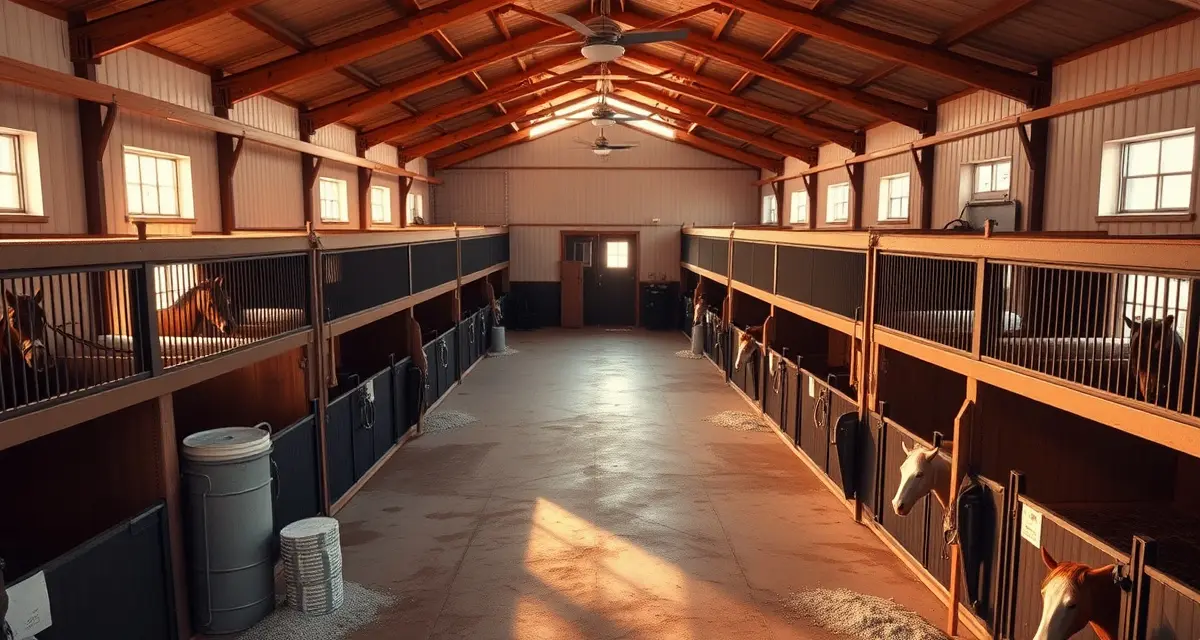
Barn Capacity Planning for Equestrian Facilities
Capacity planning is one of the most financially consequential decisions a boarding barn makes. Too few horses and your fixed costs are uncovered. Too many and your facilities are stressed, your staff is stretched, and your care quality drops. Getting capacity right, and planning for how it changes over time, is central to running a profitable and sustainable equestrian business.
Understanding Your True Capacity
Most barn managers know their stall count, but stall count and true boarding capacity are not the same number. True capacity accounts for:
Facility utilization: How many stalls are available for boarding versus reserved for staff horses, sale horses, or quarantine? How many are currently under maintenance?
Staff-to-horse ratio: A single experienced groom can typically manage 6 to 10 horses at a high care standard, depending on what services you offer. If you're at 30 horses with 3 staff, adding 10 more horses may require hiring before you expand, not after.
Arena and turnout space: Too many horses in limited turnout means compromised turnout time per horse. Arena overcrowding affects lesson and training quality. These are capacity constraints that don't show up in your stall count.
Water, feed, and manure systems: High-volume operations need infrastructure to match. A manure management system designed for 20 horses will create problems at 40.
Calculate your real capacity by working through each of these factors, not just counting stalls. Many facilities discover they're already at or near true capacity even if they have empty stalls.
Waitlist Management
A waitlist is a valuable business asset if it's managed actively. An unmanaged waitlist, where names sit in a notebook with no follow-up, converts poorly and creates negative impressions when spots finally open.
Best practices for waitlist management:
- Collect full contact information and horse details when adding someone to the list
- Note the board type they're looking for (full board, pasture, training board, etc.)
- Follow up quarterly to confirm continued interest
- When a spot opens, contact the first matching candidate within 24 hours
- Keep a record of why candidates decline when they do, since price, timing, and distance all provide useful data
BarnBeacon's boarder management tools include waitlist tracking so you have a clear queue with contact details and service preferences, rather than a notebook that gets misplaced.
Planning for Growth
If you're considering expanding capacity, work through the following before committing:
Revenue per horse: Calculate your current revenue per boarding horse, including base board and average add-on charges. Multiply by the number of horses you're adding to estimate revenue increase.
Fixed cost allocation: Most of your facility costs (mortgage or lease, insurance, utilities) are fixed. Adding horses reduces your cost per horse for these items, which improves margins.
Variable cost increases: Additional horses mean more feed, bedding, labor hours, and wear on facilities. Calculate these honestly.
Lead time for infrastructure: If you need to build new stalls, expand turnout, or hire staff, those changes take time. Plan capacity increases 3 to 6 months ahead of when you want the horses in the barn.
Seasonal Capacity Fluctuations
Many boarding facilities see seasonal patterns in occupancy. Summer often brings horse show season, which can mean temporary departures for extended periods. Winter can reduce demand in colder climates.
Planning for these patterns helps with barn staff scheduling and cash flow management. If you consistently have 5 to 10 empty stalls from November through February, your staffing and expense plan should reflect that, not assume year-round full occupancy.
For billing implications of capacity changes, see our boarding billing management and barn billing invoicing guides. For the full operations picture, see barn operations management.
FAQ
What is Barn Capacity Planning for Equestrian Facilities?
Barn capacity planning for equestrian facilities is the process of determining how many horses a facility can sustainably board while maintaining care quality, staff balance, and infrastructure integrity. It goes beyond counting stalls to evaluate turnout availability, arena access, staff-to-horse ratios, and systems like water and manure management. Done well, it aligns your operational capacity with your revenue model so your barn stays profitable without compromising horse welfare or staff performance.
How much does Barn Capacity Planning for Equestrian Facilities cost?
Barn capacity planning itself has no fixed cost — it's a management exercise, not a purchased service. However, acting on a capacity plan may involve hiring staff, upgrading infrastructure, or expanding facilities, which can range from a few thousand dollars for minor improvements to six figures or more for construction. The cost of not planning is often higher: overstaffing, underbooking, or facility breakdowns from overuse all erode margins faster than a planned investment would.
How does Barn Capacity Planning for Equestrian Facilities work?
Effective barn capacity planning works by auditing every constraint in your operation — stalls in active use, staff headcount and bandwidth, turnout hours available per horse, arena scheduling, and system capacity for feed, water, and waste. You map current load against each constraint, identify your actual ceiling, then model what changes when you grow. The result is a clear picture of how many horses you can add, what needs to change first, and what the financial impact looks like.
What are the benefits of Barn Capacity Planning for Equestrian Facilities?
The core benefit is financial stability. Knowing your true capacity prevents the two most common barn management mistakes: running below break-even due to underutilization, and degrading care quality by pushing past sustainable limits. A solid capacity plan also reduces staff burnout, improves horse welfare outcomes, protects your facility from premature wear, and gives you a credible basis for setting board rates and making capital investment decisions with confidence.
Who needs Barn Capacity Planning for Equestrian Facilities?
Any boarding barn owner or manager making decisions about occupancy, staffing, or facility investment needs capacity planning. It's especially critical for operations looking to expand, transition to a new board model, or recover from high turnover. Lesson barns, training facilities, and multi-discipline operations face layered capacity constraints — arenas, instructors, turnout — that make planning even more essential. Even small operations with 10 to 20 stalls benefit from understanding where their true limits are.
How long does Barn Capacity Planning for Equestrian Facilities take?
A basic capacity audit can be completed in a few hours to a few days depending on facility size and data availability. Translating that audit into an actionable plan — with staffing thresholds, infrastructure timelines, and phased growth targets — typically takes one to two weeks. Ongoing capacity review should happen at least quarterly, and immediately when you experience significant changes in occupancy, staffing, or board service offerings.
What should I look for when choosing Barn Capacity Planning for Equestrian Facilities?
Look for a framework that addresses all four constraint categories: stall availability, staff-to-horse ratio, land and arena access, and infrastructure systems. A good plan is specific to your facility type and board model, not generic. It should include clear thresholds — for example, the exact headcount at which you need to hire or upgrade your manure system — and financial projections that connect capacity decisions to revenue and cost outcomes.
Is Barn Capacity Planning for Equestrian Facilities worth it?
Yes. Capacity planning is one of the highest-return management activities a barn can invest time in. Facilities that plan capacity proactively consistently outperform those that react to problems after they emerge. Overcrowding incidents, staff departures from burnout, and infrastructure failures are far more expensive than the time spent building a clear capacity model. For any barn serious about long-term profitability and care standards, capacity planning is not optional — it's foundational.