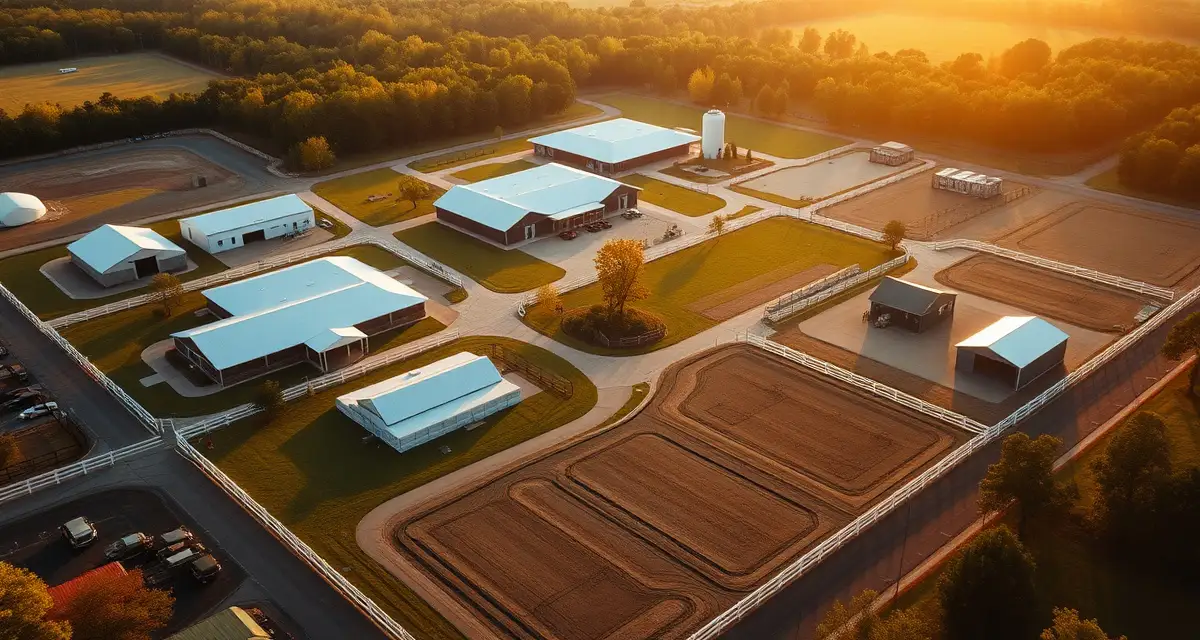
Equestrian Facility Operations in Alabama
Alabama has a substantial horse industry centered primarily in the northern and central regions of the state. The Horse Capital of the South distinction belongs to Shelby County, which hosts a concentration of boarding facilities, training barns, and show venues within an hour of Birmingham. The state is home to a strong Quarter Horse and gaited horse tradition, significant 4-H and FFA equine activity, and a growing competitive trail and endurance riding community.
The Alabama Horse Industry
According to the American Horse Council, Alabama has roughly 110,000 horses and generates over $1 billion in economic activity annually when direct and indirect spending are combined. The horse industry supports feed and supply businesses, veterinary practices, farriers, and transport services across most of the state's 67 counties.
The state's equine activity breaks down roughly as follows:
- Performance and show horses (Quarter Horses, Tennessee Walking Horses, and gaited breeds dominate)
- Recreational trail riding, particularly in areas near state parks and national forests
- Breeding operations, with notable activity in Shelby, Limestone, and Madison counties
- Youth programs through 4-H, FFA, and Pony Club
- Racing, including at Birmingham Race Course
Climate and Facility Considerations
Alabama has a humid subtropical climate that affects how facilities are designed and managed. Summers are hot and humid, with temperatures regularly above 90 degrees from June through September. Heat stress is a real concern for horses and for the humans caring for them.
Key facility considerations in Alabama:
Ventilation: Stall barns need strong airflow. Ridge vents, ceiling fans, and strategic window placement matter more here than in cooler climates. Poorly ventilated barns during Alabama summers lead to respiratory issues and heat-related illness.
Pasture management: The heat and periodic drought stress bermudagrass and bahiagrass pastures, which are the most common forage species in the state. Rotational grazing is important to avoid overgrazing stressed pastures. Summer pastures often need supplemental hay even when grass looks green, because heat reduces nutritional value.
Water consumption: A horse in hot, humid conditions may drink 15 to 20 gallons of water per day. Check and refill automatic waterers or buckets twice daily in peak summer. Electrolyte supplementation is commonly recommended for horses in heavy work during summer months.
Fly and pest management: Alabama's warm, wet summers produce significant insect pressure. Fly spray programs, fans in stalls, fly sheets, and proper manure management (removing and spreading or composting at least twice weekly) are standard practice.
Mud season: Spring rains can turn paddocks and high-traffic areas into significant mud. Gravel footing around water tanks, gates, and barn entrances reduces mud damage and hoof health problems from standing in wet conditions.
Alabama-Specific Regulations and Resources
The Alabama Department of Agriculture and Industries oversees animal health regulations in the state. For horse facilities, the key requirements include:
- Coggins test (negative EIA test): Required for horses entering shows, sales, and transport across state lines. Most facilities require a current Coggins for all boarding horses regardless of travel.
- Health certificates: Required for horses moving into Alabama from other states.
- Brand inspection: Alabama does not have mandatory brand registration, but voluntary brand recording is available through the state.
The Alabama Cooperative Extension System offers resources for equine facility operators through Auburn University. Topics covered include pasture management, equine nutrition, facility design, and biosecurity. Their publications are available at no cost and are worth bookmarking for any facility manager in the state.
The Alabama Horse Council represents the industry's interests at the state level and hosts networking and educational events. Membership connects facility operators with trainers, veterinarians, and other barn managers across the state.
Common Facility Types in Alabama
Most Alabama equine facilities fall into one of a few categories:
Full-service boarding barns: Stall board with turnout, feeding, stall cleaning, and sometimes training or lessons. Common around suburban areas of Birmingham, Huntsville, and Montgomery.
Pasture board or self-care board: More common in rural areas where land is less expensive. Owners provide their own care, with the facility providing land and fencing.
Training and sales barns: Specializing in Quarter Horses, gaited horses, or performance disciplines. Often combined with a boarding component.
Trail riding and recreational facilities: Near public lands or with private trail systems. Less structured than performance barns.
Managing an Alabama Facility with Modern Tools
BarnBeacon helps Alabama barn managers track horse health records, coordinate vet and farrier scheduling, manage billing, and communicate with owners. Given the importance of Coggins test tracking and the volume of routine summer health monitoring, having a central record system saves time and reduces the risk of something slipping through during a busy season.
FAQ
What is Equestrian Facility Operations in Alabama?
Equestrian facility operations in Alabama encompass the day-to-day management of boarding barns, training facilities, and show venues across the state. Alabama supports roughly 110,000 horses and a $1 billion horse industry, with activity concentrated in Shelby, Limestone, and Madison counties. Operations typically include horse care, pasture management, arena maintenance, staff coordination, and compliance with state agricultural regulations. Facilities range from small private boarding barns to large multi-discipline training centers serving Quarter Horse, gaited breed, and youth program communities.
How much does Equestrian Facility Operations in Alabama cost?
Operating costs for an equestrian facility in Alabama vary widely based on size and services offered. A small boarding barn may run $3,000–$8,000 per month in expenses, while larger training or show facilities can exceed $20,000 monthly. Key cost drivers include feed, bedding, farrier and veterinary services, labor, insurance, and equipment maintenance. Alabama's relatively affordable land costs compared to coastal states offer some advantage, though humid subtropical weather increases facility upkeep and footing maintenance expenses.
How does Equestrian Facility Operations in Alabama work?
Alabama equestrian facilities operate by providing structured horse care, housing, and training services to horse owners and riders. Daily operations include feeding schedules, stall cleaning, turnout management, and health monitoring. Many facilities layer in training programs, lesson services, and show preparation. Management software increasingly handles scheduling, billing, and health records. Facilities in Alabama also coordinate with local farriers, large-animal veterinarians, and feed suppliers who serve the state's 67-county horse industry network.
What are the benefits of Equestrian Facility Operations in Alabama?
Operating an equestrian facility in Alabama offers access to a deep, established horse community with strong Quarter Horse, Tennessee Walking Horse, and gaited breed traditions. Proximity to trail networks in state parks and national forests supports recreational boarding clientele. The state's robust 4-H and FFA equine programs provide a steady pipeline of youth riders. Lower land acquisition costs relative to many other states, combined with a $1 billion annual industry, create a viable market for well-run operations.
Who needs Equestrian Facility Operations in Alabama?
Anyone providing professional horse care, training, or boarding services in Alabama needs to understand equestrian facility operations. This includes boarding barn owners, riding instructors, breeding farm managers, and show facility operators. Youth program coordinators running 4-H or Pony Club activities also benefit from sound operational practices. Even small private facilities with a handful of outside boarders require systematic approaches to animal care, liability management, client communication, and regulatory compliance to operate safely and profitably.
How long does Equestrian Facility Operations in Alabama take?
There is no fixed timeline for equestrian facility operations — it is an ongoing, year-round commitment. Setting up a new facility typically requires 6–18 months for infrastructure development, permitting, and initial client acquisition. Alabama's humid subtropical climate means facility managers must plan for seasonal demands: summer heat management for horses, winter footing maintenance, and spring/fall show season peaks. Staff hiring, training, and retention add additional lead time for facilities aiming to deliver consistent, professional-level care.
What should I look for when choosing Equestrian Facility Operations in Alabama?
When evaluating an Alabama equestrian facility, prioritize safe, well-maintained housing with adequate ventilation suited to the state's heat and humidity. Look for structured feeding and health protocols, clear boarding contracts, and transparent pricing. Assess staff qualifications, instructor credentials, and emergency veterinary relationships. Facilities near trail access or established show circuits add long-term value. For buyers or investors, check occupancy rates, pasture quality, drainage infrastructure, and whether the operation uses modern barn management software to handle scheduling and records.
Is Equestrian Facility Operations in Alabama worth it?
For horse owners and operators in Alabama, investing in well-run equestrian facility operations is worthwhile. The state's active show circuit, trail riding culture, and strong youth programs sustain consistent demand for quality boarding and training. Facilities that operate with clear systems — structured care routines, professional communication, and reliable record-keeping — retain clients longer and command higher board rates. Given Alabama's $1 billion horse economy and the concentration of activity in the Birmingham-Shelby County corridor, a professionally managed facility has strong fundamentals.