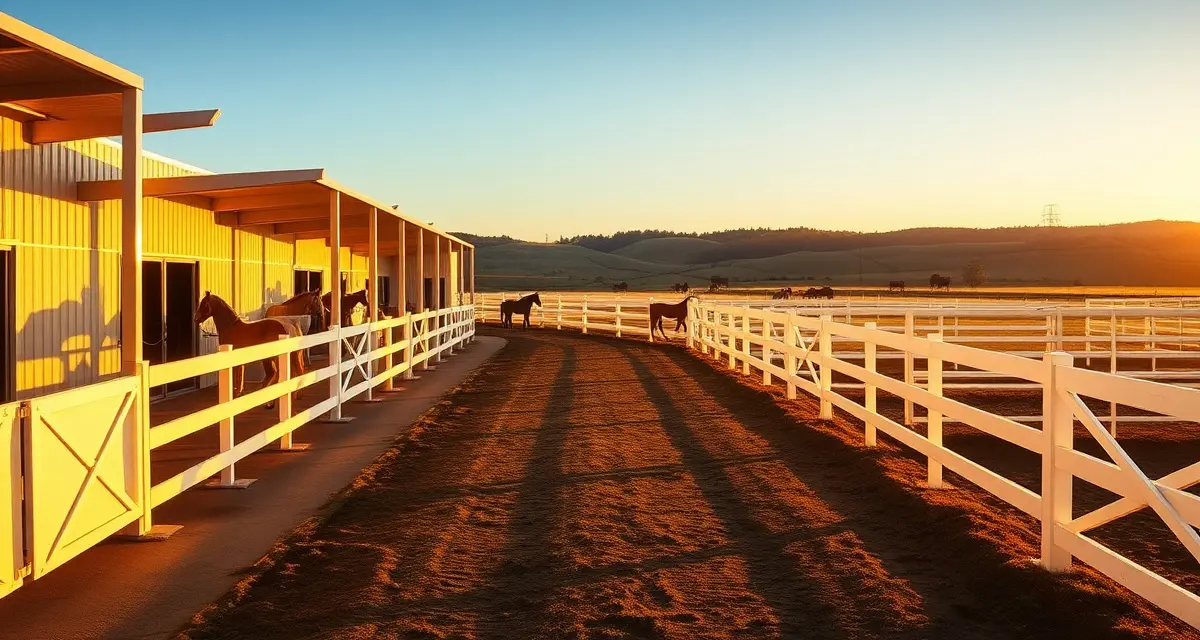
Equestrian Operations in Georgia: Managing an Equine Facility in the Southeast
Georgia has a thriving equestrian community spread across its distinct regions: the horse farms of Cherokee and Forsyth counties north of Atlanta, the rolling Piedmont, and the coastal regions with their distinct climate and pest pressures. Operating an equine facility in Georgia means navigating warm summers, mild but variable winters, a strong regional equestrian culture, and all the facility management demands that come with year-round active use.
Climate and Seasonal Considerations
Georgia's climate is classified as humid subtropical, which means hot, humid summers and mild winters with occasional ice events that can be more disruptive than the snowfall that accompanies them in other regions.
Summer heat management: Georgia summers regularly bring heat indices that make midday riding uncomfortable for horses and riders alike. Adjusting riding schedules to early morning and evening hours during July and August is standard practice at professional facilities. See equine heat stress management for specific protocols on cooling, monitoring, and prevention.
Winter ice events: Georgia's winter weather is less predictable than most of its neighbors. A temperature of 28 degrees Fahrenheit with rain creates ice on every surface almost instantly. Barn aisles, water lines, and paddock gates all need winter readiness protocols even though they may only be needed a few days per year. Rubber matting in aisles is critical because ice-covered concrete or wet rubber without texture is a serious slip hazard. Water lines that are uninsulated can freeze during Georgia cold snaps.
Spring and fall: These are the best riding seasons in Georgia and the peak of the show calendar for most disciplines. The mild temperatures support heavy training and competition schedules.
Parasite and Pest Management
The year-round warm temperatures that make Georgia pleasant also support year-round insect populations and parasite challenges.
Internal parasites: Georgia's warm climate means pasture larval contamination is a year-round concern rather than being killed off by winter freezes as in northern climates. Targeted deworming based on fecal egg counts, rather than blanket rotational deworming, is the standard recommendation from parasitologists and is particularly relevant in the Southeast where refugia management is important.
External parasites: Biting flies, mosquitoes, and bot flies are active for much of the year. Eastern Equine Encephalomyelitis (EEE) is present in Georgia and is a serious disease with high fatality rates. Annual vaccination against EEE is the minimum; many Georgia veterinarians recommend semi-annual vaccination for horses with significant turnout exposure given the extended mosquito season.
Potomac Horse Fever: PHF is present in many parts of Georgia near waterways and has an extended seasonal window compared to northern states. Consult your veterinarian on appropriate vaccination for your specific location.
Georgia Equestrian Culture
Georgia has a diverse equestrian community. North Georgia is home to significant hunter-jumper and dressage facilities, with facilities ranging from competition-focused training barns to boarding operations. The central part of the state has a strong Western and gaited horse presence. The coastal areas support a more casual riding community with trail and pleasure riding emphasis.
The presence of large equine events in the region, including shows at the Georgia International Horse Park and various county fairgrounds, means that competition preparation and health documentation requirements are a regular part of operations for many facilities.
State-Level Regulations
Georgia state law requires a current negative Coggins certificate for horses transported within the state to shows, events, or other facilities. The standard is a 12-month test. Horses traveling out of state require an accredited veterinarian's Certificate of Veterinary Inspection per the destination state's requirements.
BarnBeacon keeps Coggins expiration dates tracked for every horse, sending alerts before certificates expire so Georgia facilities stay compliant without manual calendar management. For the broader health compliance context, see equine health compliance. For facility management in comparable Southeast climates, see florida equine facilities.
FAQ
What is Equestrian Operations in Georgia: Managing an Equine Facility in the Southeast?
Equestrian Operations in Georgia: Managing an Equine Facility in the Southeast is a comprehensive guide to running a barn or horse facility in Georgia's unique climate and regional landscape. It covers seasonal management across the state's distinct zones—from the horse farms of Cherokee and Forsyth counties to the coastal regions—addressing heat management, winter ice events, pest pressures, and the year-round facility demands that come with Georgia's humid subtropical environment.
How much does Equestrian Operations in Georgia: Managing an Equine Facility in the Southeast cost?
There is no direct cost to the information itself—this is an educational resource for facility managers and horse owners. However, operating an equine facility in Georgia involves real expenses: barn infrastructure, year-round turnout management, summer cooling systems, pest control programs, and winter weather preparedness. Costs vary widely based on facility size, number of horses, and whether you operate a private farm or a commercial boarding and training operation.
How does Equestrian Operations in Georgia: Managing an Equine Facility in the Southeast work?
The guide works by walking facility managers through Georgia-specific challenges season by season. Summer protocols focus on adjusted riding schedules, heat stress prevention, and ventilation. Winter preparation centers on ice event readiness rather than heavy snowfall. Pest and parasite management reflects the longer warm season in the Southeast. The resource connects each operational area to practical protocols, helping managers build routines suited to Georgia's climate rather than applying generic barn management advice.
What are the benefits of Equestrian Operations in Georgia: Managing an Equine Facility in the Southeast?
The primary benefit is region-specific guidance that generic equine management resources don't provide. Georgia facility managers deal with heat indices that push horses and riders indoors during peak summer hours, sudden ice events that arrive without much warning, and an extended pest season compared to northern states. Understanding these local patterns helps managers reduce horse health risks, improve facility safety, optimize scheduling, and operate more efficiently throughout the year.
Who needs Equestrian Operations in Georgia: Managing an Equine Facility in the Southeast?
This resource is relevant to anyone managing horses in Georgia—private farm owners, boarding stable operators, riding instructors, and equestrian center managers. It is especially useful for those relocating to Georgia from other regions who may underestimate summer heat stress or overestimate winter snowfall while underestimating ice risk. Facility managers in Cherokee, Forsyth, the Piedmont, and coastal counties will each find region-specific considerations that apply directly to their operations.
How long does Equestrian Operations in Georgia: Managing an Equine Facility in the Southeast take?
There is no single timeline—equestrian facility management in Georgia is a continuous, year-round commitment. Summer heat management runs roughly June through September. Winter ice preparedness is most critical December through February, though ice events can occur outside those months. Pest and parasite programs run nearly year-round given Georgia's mild winters. Building effective seasonal routines typically takes one full annual cycle to refine, as managers learn how their specific property responds to each season's demands.
What should I look for when choosing Equestrian Operations in Georgia: Managing an Equine Facility in the Southeast?
When evaluating equine management practices for a Georgia facility, look for guidance that reflects the humid subtropical climate rather than generic national standards. Prioritize resources that address summer scheduling adjustments, not just heat stress treatment. Look for winter protocols specific to ice events rather than snow. Confirm that pest and parasite recommendations account for Georgia's longer warm season. Region-specific veterinary, farrier, and forage guidance is also worth seeking, as regional expertise significantly outperforms generalized advice.
Is Equestrian Operations in Georgia: Managing an Equine Facility in the Southeast worth it?
Yes—applying Georgia-specific equine management practices is genuinely worth the effort. Facilities that ignore the regional climate often face preventable horse health issues during summer heat events or scramble unprepared when ice arrives. Managers who build routines around Georgia's actual seasonal patterns see better horse welfare outcomes, fewer emergency situations, and smoother day-to-day operations. The investment in region-appropriate knowledge pays off in reduced risk, improved efficiency, and a better experience for horses, staff, and clients alike.