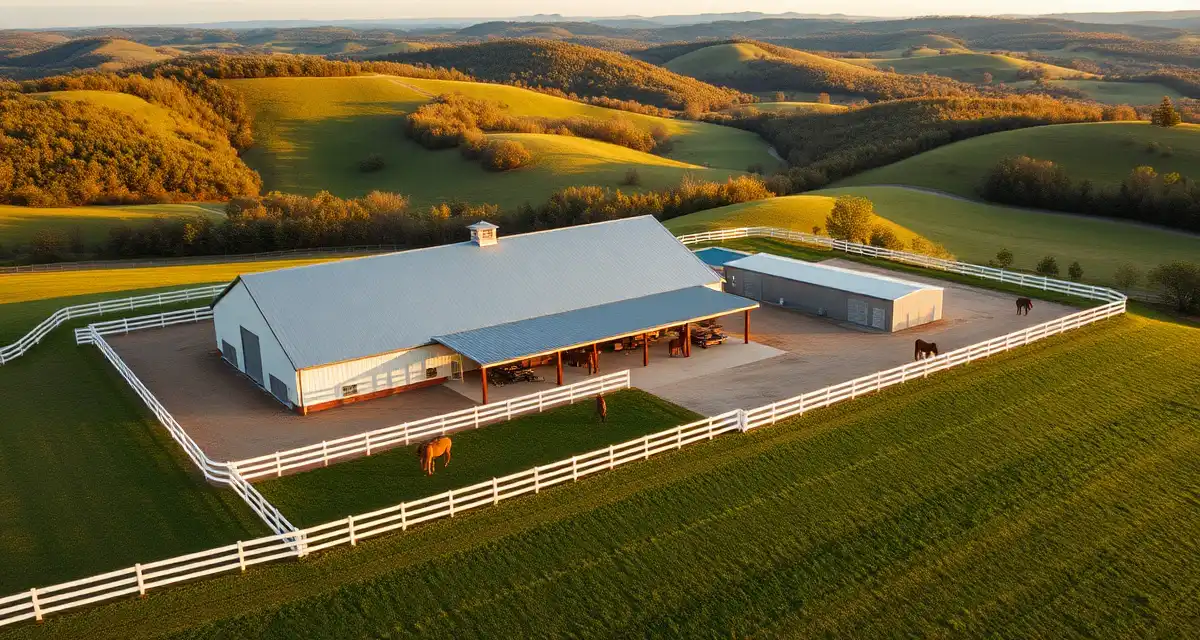
Equestrian Operations in Arkansas
Arkansas has a substantial horse industry anchored by a strong cattle and working ranch tradition, active trail riding communities, and competitive Quarter Horse, gaited horse, and barrel racing programs. The Ozark and Ouachita mountain regions draw significant trail riding tourism. The state's 75,000 to 85,000 horses are spread across rural areas, with concentrations in the Arkansas River Valley, northwest Arkansas near the Missouri border, and the central Arkansas corridor between Little Rock and Conway.
The Arkansas Horse Industry
The Arkansas Livestock and Poultry Commission oversees equine-related animal health regulations in the state. Arkansas participates in the interstate Coggins testing requirements and maintains health certificate requirements for horses entering and leaving the state. All horses at shows, sales, and events must have a current negative EIA (Coggins) test certificate.
Arkansas's horse economy includes:
- Working ranch and cattle horses across the agricultural regions
- Trail riding and recreational horses, particularly near Ouachita and Ozark National Forests
- Competitive horses in barrel racing, rodeo, and roping
- Tennessee Walking Horses and gaited breeds, with active show circuits
- 4-H and FFA equine programs through the University of Arkansas Cooperative Extension Service
The University of Arkansas at Fayetteville maintains an equine science program through its Division of Agriculture that provides research and outreach resources for facility operators and horse owners across the state.
Climate and Seasonal Management
Arkansas has a humid subtropical climate in most of the state, with hot summers (frequently above 90 degrees from June through August) and mild winters that can still produce significant ice and snow events, particularly in the northern and mountainous regions.
Summer heat and humidity: The combination of heat and humidity in Arkansas summers creates higher heat stress risk than the temperature alone suggests. The Heat Index in Arkansas can exceed 105 on days when the actual temperature is in the low 90s. Horses in work need access to shade, fresh water at all times, and electrolyte support during heavy exercise periods.
Ventilation in stall barns is critical. Ridge vents, ceiling fans, and barn orientation to capture prevailing winds from the south and southwest all contribute to cooler stall conditions. Well-ventilated barns with good airflow can be 10 to 15 degrees cooler than stagnant ones on hot days.
Winter ice events: Unlike northern states, Arkansas facilities are not typically designed for sustained severe winter conditions, which makes the occasional ice storm more disruptive. Ice storms in January and February can make roads impassable, power outages can disable water heating and lighting, and paddocks become dangerous with ice underfoot.
Facility preparation for Arkansas winters:
- Insulate water lines or use heated water buckets and tank heaters
- Keep a backup power source (generator) to maintain water systems during outages
- Stock 4 to 6 weeks of feed ahead of winter to buffer against supply disruptions
- Have ground cover material (sand, rubber mats) accessible for icy paddock surfaces
Spring mud: Arkansas's spring rainfall can be significant. High-traffic areas around water tanks, barn entrances, and gate openings become deeply mudded in wet springs. Gravel pads or geotextile footing in these areas dramatically reduces mud accumulation and hoof health problems associated with standing in wet conditions.
Pasture Management in Arkansas
Arkansas's warm, wet climate supports productive pasture growth but also creates pasture management challenges. Common forage species include bermudagrass, fescue, orchardgrass, and mixed cool-season blends.
Fescue concerns: Endophyte-infected fescue is common in Arkansas pastures. Pregnant mares are at serious risk from infected fescue: the ergovaline compounds produced by the endophyte can cause fescue toxicosis, leading to prolonged gestation, retained placenta, agalactia (lack of milk production), and dystocia. Test your fescue if you have broodmares. Endophyte-free or novel-endophyte varieties are available for reseeding, and keeping pregnant mares off infected fescue pastures in the last trimester is critical.
Rotational grazing: Rotational grazing extends pasture life and productivity. Divide pastures into at least three to four paddocks and rotate horses through on a schedule that allows 3 to 4 weeks of rest between grazing periods. This prevents overgrazing and weed encroachment that reduces the quality of pasture over time.
Parasite management: High-humidity environments promote strongyle and bot fly populations. Work with your veterinarian on a targeted deworming program based on fecal egg counts rather than calendar-based deworming alone. Rotating pastures also reduces parasite burden by breaking transmission cycles.
Equine Facility Operations in Practice
Most Arkansas equine facilities are small to mid-size boarding and lesson barns or private training operations. Full-service boarding with stall care typically runs at comparable rates to the broader mid-South market, lower than coastal markets but competitive within the region.
BarnBeacon supports Arkansas facility operators with health record tracking, vet and farrier appointment scheduling, billing, and daily care management. The ability to log vaccination records, track Coggins expiration dates, and communicate with owners from a single platform reduces the administrative time that many small barn operators currently handle through a combination of paper records and text message threads.
FAQ
What is Equestrian Operations in Arkansas?
Equestrian operations in Arkansas encompass the full range of horse-keeping activities across the state, from working ranch and cattle operations to trail riding, competitive barrel racing, rodeo, and gaited horse programs. With an estimated 75,000–85,000 horses statewide, Arkansas supports a diverse equine industry concentrated in the Arkansas River Valley, northwest Arkansas, and the central corridor. Operations range from small hobby farms to large commercial boarding facilities near the Ozark and Ouachita National Forests.
How much does Equestrian Operations in Arkansas cost?
Costs vary widely depending on the type of operation. Basic pasture board typically runs $150–$400 per month, while full-care stall board averages $400–$800 monthly. Starting a small boarding or trail riding operation requires capital for land, fencing, shelter, and water infrastructure. Compliance costs include Coggins testing (roughly $25–$50 per horse annually) and health certificates for interstate travel. Operating expenses for feed, farrier, and veterinary care average $3,000–$6,000 per horse per year.
How does Equestrian Operations in Arkansas work?
Equestrian operations in Arkansas function within a framework of state animal health regulations overseen by the Arkansas Livestock and Poultry Commission. Operators maintain horses through daily feeding, turnout, farrier cycles, and veterinary care. Competitive horses follow show circuits sanctioned by breed associations, while trail operations coordinate with national forest access. Health documentation—particularly negative EIA (Coggins) test certificates—must be current for any horse attending events, sales, or crossing state lines.
What are the benefits of Equestrian Operations in Arkansas?
Arkansas offers terrain, climate, and infrastructure that make equestrian operations genuinely viable. The Ozark and Ouachita mountain regions provide exceptional trail riding opportunities that attract tourism revenue. A strong cattle and ranch culture means experienced labor, established feed suppliers, and a supportive agricultural community. University of Arkansas Cooperative Extension provides research-backed resources for horse owners. The relatively low land costs compared to neighboring states make establishing or expanding operations more accessible.
Who needs Equestrian Operations in Arkansas?
Anyone keeping horses in Arkansas needs to understand local equestrian operations—from hobby owners with a single trail horse to commercial boarding facilities, breeding operations, rodeo competitors, and trail riding outfitters. 4-H and FFA participants benefit from understanding state health requirements and show regulations. Landowners considering agritourism or boarding income should assess operational requirements before investing. Relocating horse owners need to familiarize themselves with Arkansas's Coggins and health certificate requirements immediately upon arrival.
How long does Equestrian Operations in Arkansas take?
There is no single timeline for equestrian operations—they are ongoing commitments rather than one-time projects. Setting up a new facility from raw land typically takes six months to two years depending on permitting, construction, and fencing scope. Obtaining required health documentation (Coggins test results) takes a few days. Building a viable boarding or trail riding business to profitability often takes two to four years. Day-to-day operations are continuous, with daily horse care required 365 days a year.
What should I look for when choosing Equestrian Operations in Arkansas?
When evaluating an equestrian operation in Arkansas, prioritize access to quality forage and reliable water sources, particularly in drier summer months. Assess proximity to veterinarians experienced with horses and large-animal emergency services. Confirm zoning and land use permissions for equine activities. Review compliance with Arkansas Livestock and Poultry Commission health requirements. For boarding or commercial operations, evaluate fencing quality, shelter adequacy, and liability coverage. Trail-focused operations should confirm access agreements to national forest trail systems.
Is Equestrian Operations in Arkansas worth it?
For the right owner or investor, equestrian operations in Arkansas offer genuine value. Low land costs, strong trail riding tourism near national forests, and an established horse culture create real opportunity. However, horses are expensive to maintain regardless of location, and operations require significant time, physical labor, and veterinary expense. Those entering for passion and prepared for the financial realities typically find Arkansas a rewarding state to operate in. Commercial ventures like boarding or trail outfitting can generate income but require realistic business planning.