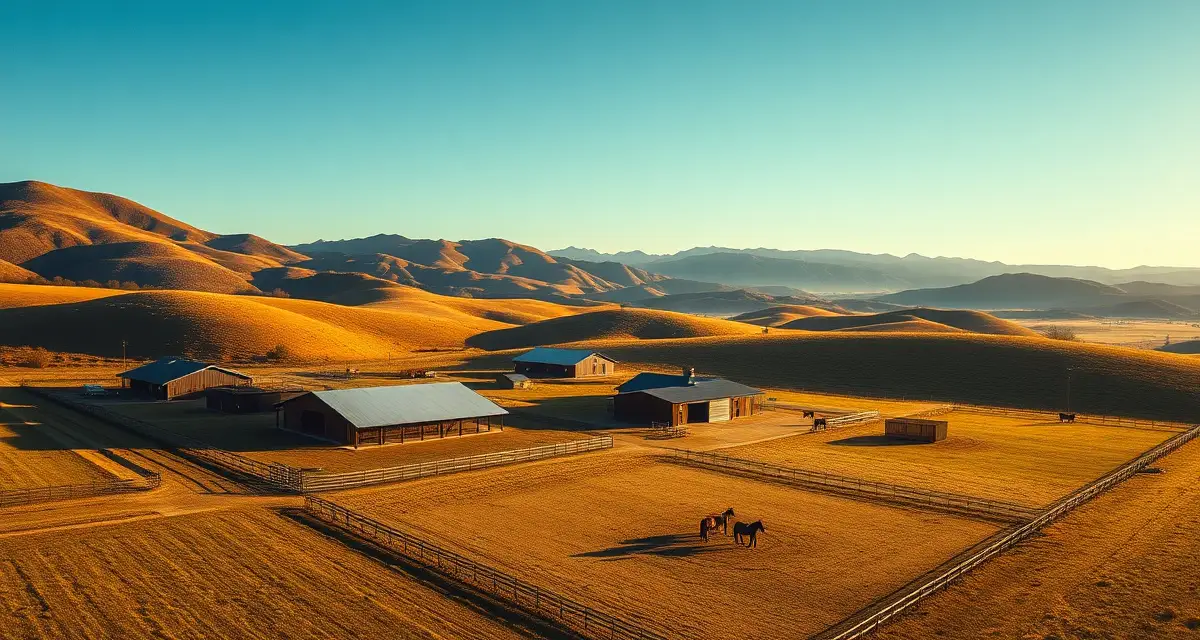
Equestrian Operations in Idaho
Idaho is horse country in the truest sense. From the Snake River Plain to the Palouse hills to the rugged terrain of the Sawtooth Range, the state offers some of the most varied and dramatic riding terrain in the West. Equine facilities here range from small hobby farms with a handful of horses to large working ranches that integrate horses into daily agricultural operations, along with dedicated boarding barns, training centers, and competition facilities clustered near Boise, Twin Falls, and Coeur d'Alene.
Climate and Seasonal Management
Idaho's climate varies dramatically by region. Southern Idaho gets hot, dry summers and cold winters with moderate snowfall. Northern Idaho, particularly the Panhandle, receives heavy precipitation and can see significant snow accumulation. The high desert areas around the Magic Valley experience temperature swings that stress horses moving in or out of the region.
For barn managers, the practical implication is that your annual calendar gets structured around these patterns. Hay inventory management is critical. Most Idaho operations need to put up or purchase enough hay in late summer to carry horses through winter, since winter pasture is largely unavailable. Many facilities also manage mud season in spring, particularly in northern Idaho, where footing in paddocks can become genuinely dangerous. Gravel pads, proper drainage, and mud mats around gates and feeding areas are standard investments.
Water supply is another major concern. In winter, keeping automatic waterers functioning and monitoring water intake requires daily attention. In summer, some facilities on rural well systems watch water pressure closely during peak irrigation season when neighboring agricultural operations are drawing from the same aquifer.
Land and Facility Considerations
Idaho has no statewide horse-to-acreage regulation, but county-level zoning controls what you can operate and how many animals you can keep. Ada County (Boise area) has detailed agricultural zoning requirements that affect barn placement, manure storage, and operations near residential development. Rural counties are generally more permissive, but it is worth confirming current requirements with your county planning office before expanding capacity.
Manure management is a growing regulatory focus. Facilities near waterways have additional obligations under Idaho Department of Environmental Quality rules. Most established barns have a nutrient management plan that addresses composting, field application rates, and buffer zones from streams or irrigation canals.
Fire risk is real in Idaho. Barn placement relative to wildfire-prone rangeland, defensible space around structures, and hay storage practices all matter. Insurance carriers writing farm policies in Idaho increasingly ask detailed questions about fire mitigation.
Boarding and Training Markets
The Boise metro area has a robust boarding market with strong demand for quality facilities. Well-managed barns near Boise can maintain high occupancy across disciplines including western pleasure, reining, cutting, hunter/jumper, dressage, and trail riding. Competitive rates in the Treasure Valley typically reflect the cost of irrigated hay and the relatively high land values compared to more rural parts of the state.
Outside the metro, boarding rates drop but so do costs. Facilities in Canyon County, Nampa, and Caldwell attract boarders looking for more affordable options while staying within commuting distance of Boise. Northern Idaho facilities near Coeur d'Alene and Sandpoint have their own market dynamics, with boarding demand from a smaller but dedicated equestrian community.
Training programs are strongest in the western performance disciplines, though the Idaho Hunter Jumper Association and the Idaho Dressage and Combined Training Association both represent active communities. 4-H and Pony Club programs are strong across the state and represent a consistent pipeline of young riders for lesson programs.
Health Requirements and Veterinary Access
Idaho requires a current negative Coggins test for horses entering the state and recommends annual testing. Interstate travel requires a health certificate issued within 30 days of movement. Within the state, most horse events require a current Coggins.
Veterinary access varies considerably by location. In the Boise area, equine veterinary services are readily available. In more rural parts of the state, the nearest equine vet may be 60 to 90 minutes away, which makes barn-level health monitoring and good record-keeping especially important. BarnBeacon's health and medication tracking tools help Idaho barn managers document daily observations, flag changes in condition, and maintain records that give the vet a complete picture when they do arrive.
Administrative Considerations
Idaho does not require specific licensing for equine facilities, though businesses need standard state and local business licenses. Liability waivers are commonly used and are generally enforceable under Idaho law, though they should be reviewed by an attorney familiar with equine law.
Strong documentation practices matter everywhere, but they are especially valuable in facilities that handle large numbers of horses across diverse ownership arrangements. Keeping feeding records, health logs, farrier schedules, and billing current is much more manageable with purpose-built software than with whiteboards and spreadsheets.
For more on managing boarding operations, see our guides on boarding agreement essentials and managing late board payments.
FAQ
What is Equestrian Operations in Idaho?
Equestrian operations in Idaho encompass the full range of horse-related facilities and activities across the state, including boarding barns, training centers, working ranches, and competition venues. Idaho's diverse geography—from the Snake River Plain to the Sawtooth Range—supports everything from small hobby farms to large agricultural operations that rely on horses daily. These operations are concentrated near Boise, Twin Falls, and Coeur d'Alene, but span rural regions throughout the state.
How much does Equestrian Operations in Idaho cost?
Costs vary widely depending on operation type and region. Boarding facilities in the Boise area typically charge $300–$700 per month for full care. Hay procurement is a major annual expense, as Idaho winters require storing large quantities before the season. Land, fencing, shelter construction, and veterinary care add significant overhead. Small hobby operations may run $10,000–$30,000 annually, while large training or boarding facilities can exceed $200,000 per year in operating costs.
How does Equestrian Operations in Idaho work?
Idaho equestrian operations follow a seasonal rhythm shaped by the state's climate. Summer focuses on pasture management, hay harvest, and conditioning. Fall is dedicated to winterizing facilities and stocking feed. Winter requires daily turnout decisions, blanket management, and ice control. Spring brings mud season challenges, especially in northern Idaho's Panhandle. Barn managers structure staffing, feed purchasing, farrier schedules, and vet visits around these predictable seasonal demands throughout the year.
What are the benefits of Equestrian Operations in Idaho?
Idaho's open land, varied terrain, and strong equestrian culture make it well-suited for horse operations. Riders benefit from access to trails across federal land, diverse disciplines from western ranch work to competitive jumping, and a relatively lower cost of land compared to coastal states. The state's agricultural infrastructure supports feed sourcing and large-animal veterinary services. Idaho's horse community is active, with regional shows, rodeos, and breed associations providing networking and competition opportunities.
Who needs Equestrian Operations in Idaho?
Anyone keeping, training, boarding, or competing with horses in Idaho needs to understand equestrian operations management. This includes hobby farm owners with one or two horses, professional trainers, boarding facility operators, and working ranchers. Newcomers to the state especially benefit from learning Idaho-specific considerations—hay inventory requirements, regional climate differences between north and south Idaho, and local regulations around manure management, water rights, and agricultural zoning that affect how facilities operate.
How long does Equestrian Operations in Idaho take?
Setting up a functional equestrian operation in Idaho typically takes one to three years to fully stabilize. Initial infrastructure—fencing, shelter, water systems—can be established in months, but building reliable hay supply relationships, understanding your land's carrying capacity through a full seasonal cycle, and refining turnout and feeding routines takes at least one complete year. Boarding operations or training businesses often require two to three years to reach stable occupancy and client retention.
What should I look for when choosing Equestrian Operations in Idaho?
When evaluating an Idaho equestrian operation or property, prioritize water access and rights, hay storage capacity, and footing quality in paddocks and arenas. Assess shelter adequacy for your specific region's winter conditions—northern Idaho demands more than the Magic Valley. Look at drainage to anticipate mud management needs. For boarding or training facilities, evaluate proximity to Boise, Twin Falls, or Coeur d'Alene for client access. Verify zoning, check fencing condition, and confirm large-animal vet availability in the area.
Is Equestrian Operations in Idaho worth it?
For horse owners who value open space, trail access, and an active equestrian community, Idaho is absolutely worth it. Land costs remain reasonable compared to many western states, federal trail systems are extensive, and the culture genuinely supports working with horses. The operational demands—particularly winter hay management and mud season—are real, but manageable with proper planning. Facilities near population centers can build sustainable boarding or training businesses. For those aligned with Idaho's agricultural lifestyle, the investment pays off consistently.