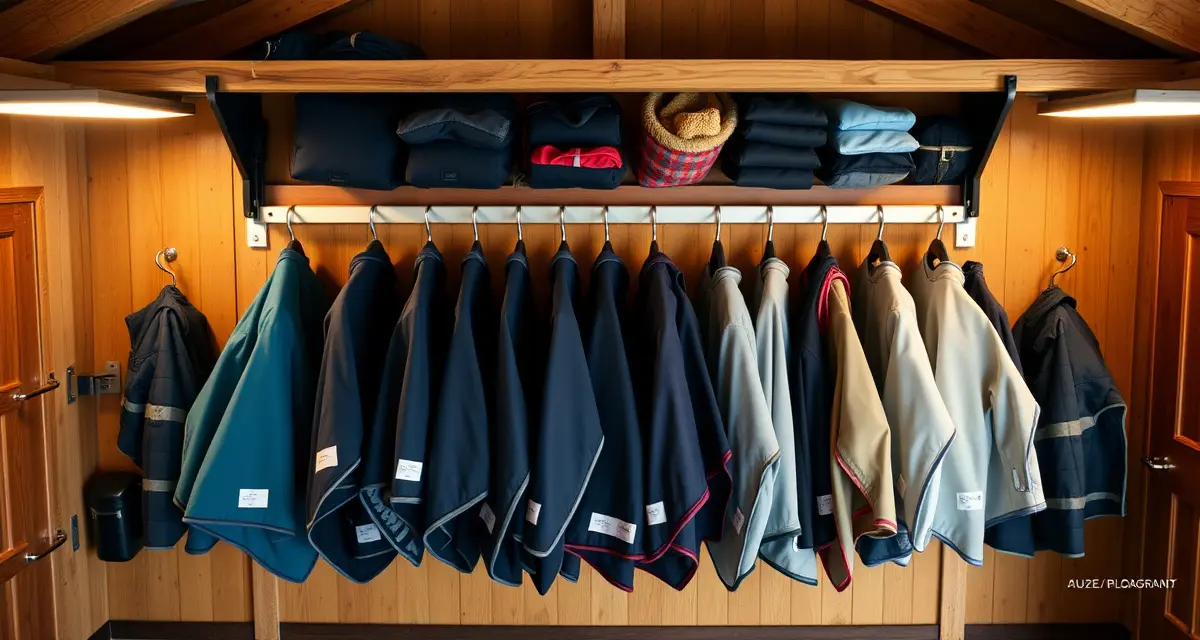
Blanket Inventory Management for Boarding Barns
Incorrect blanketing causes 18% of skin conditions in stabled horses, yet most boarding barns still track blankets on a whiteboard or not at all. When you're managing 40, 60, or 80 horses with varying clip levels, ages, and owner preferences, that approach breaks down fast.
TL;DR
- Blanketing decisions should be based on documented protocols tied to temperature thresholds, not individual staff judgment.
- A written blanket chart per horse prevents errors when multiple staff members cover different shifts.
- Removing blankets in warming weather is as important as applying them in cold weather to prevent overheating.
- Health checks during blanket changes are an opportunity to spot early signs of weight loss, skin issues, or injury.
- Digital care logs with timestamped entries create accountability and catch missed blanket changes before they become problems.
- BarnBeacon's staff task tools let managers set and track blanketing protocols for every horse on the property.
This guide walks through a practical system for blanket inventory management at boarding barns: from tagging and condition logging to assignment tracking, repair records, and end-of-season storage.
Why Blanket Tracking Fails at Most Barns
The problem isn't that barn managers don't care. It's that blanket management sits at the intersection of three things that are hard to coordinate: physical inventory, individual horse needs, and real-time weather decisions.
A blanket gets pulled for a horse, used for a week, returned to the wrong hook, and by the time someone notices it's missing a chest clip, it's already been used on three other horses. Multiply that by a full barn and you have a liability problem, not just an organizational one.
How to Build a Blanket Inventory System That Actually Works
Step 1: Tag Every Blanket with a Unique ID
Start with a physical label on every blanket the barn owns. Use a permanent marker or iron-on tag with a short alphanumeric code (B001, B002, etc.) on the inside neck seam.
Record each blanket in your management system with its ID, weight (sheet, medium, heavy), size, brand, purchase date, and purchase cost. This baseline inventory is what you'll audit against at the start and end of each season.
Step 2: Log Condition at the Start of Each Season
Before blankets go into rotation, inspect every one and record its condition. Use a simple three-tier rating: Good, Fair (minor repairs needed), or Retire (not safe for use).
Note specific issues: torn leg straps, broken buckles, delaminating fill, or waterproofing failure. This pre-season audit prevents a staff member from grabbing a compromised blanket at 10 PM during a cold snap.
Step 3: Create a Per-Horse Blanketing Profile
Each horse in your barn should have a documented blanketing profile that includes their clip status, age, body condition score, any health conditions affecting thermoregulation, and owner preferences by temperature range.
This profile is the reference point for every blanketing decision. Without it, you're relying on whoever is on shift to remember that the 28-year-old PPID mare needs a heavy at 45°F while the unclipped warmblood next to her doesn't need anything until it hits 30°F. That's not a system, that's a guess.
For a complete breakdown of how to build these profiles, see our blanketing guide.
Step 4: Assign Blankets and Track Active Use
When a barn-owned blanket is assigned to a horse, log the assignment: blanket ID, horse name, date assigned, and the staff member who pulled it. This creates accountability and makes it easy to locate any blanket in the barn at any time.
Update the assignment log when a blanket is returned, swapped for a different weight, or sent for repair. If you're using barn management software, this should be a two-tap entry, not a separate spreadsheet.
Step 5: Maintain a Repair Log
Every blanket that goes out for repair needs a record: what was repaired, who did it, the cost, and the date it returned to inventory. Over two or three seasons, this data tells you which blankets are worth repairing and which ones are costing more than they're worth.
Set a simple rule: if repair cost exceeds 40% of replacement cost, retire the blanket. Document the retirement so your inventory count stays accurate.
Step 6: Run End-of-Season Storage Procedures
At the end of the blanketing season, pull every barn-owned blanket from rotation. Wash and re-proof each one before storage. Re-inspect and update condition ratings.
Store blankets in labeled bins or bags by size and weight, in a dry location with airflow. Update your inventory count in your management system so you know exactly what you're starting with next fall. This step is where most barns lose track of inventory, because "end of season" is a busy time and storage gets rushed.
Common Mistakes in Barn Blanket Management
Skipping the pre-season audit. Blankets degrade in storage. A blanket that was "fine" in April may have mold, rodent damage, or broken hardware by October. Always inspect before use.
No assignment tracking. If you can't answer "where is B023 right now?" in 30 seconds, your system isn't working. Assignment logs exist for exactly this situation.
Ignoring per-horse rules during night check. Night staff are often working fast and in the dark. Without a clear, accessible blanketing profile for each horse, they'll default to whatever seems reasonable. That's how a clipped horse ends up under-blanketed at 28°F.
Letting repairs pile up. A blanket with a broken chest clip sitting in the corner waiting to be sent out is still counted as inventory by most barns. It shouldn't be. Mark it unavailable until it's repaired and back in rotation.
Using Software for Equine Blanket Inventory Tracking
Manual logs work at small barns. At 30+ horses, they become a liability.
Equine blanket inventory tracking software should let you maintain a live inventory count, log assignments and returns, attach condition photos, and track repair history by blanket ID. The best systems also integrate with your daily care workflows so blanketing decisions don't live in a separate document.
BarnBeacon goes a step further by sending automatic blanketing alerts based on the local weather forecast and each horse's individual profile. When the forecast drops below a horse's threshold, the system notifies staff with the specific action required for that horse. No other tool currently offers temperature-triggered alerts tied to per-horse clip and age rules, which is the gap that causes most blanketing errors at busy barns.
You can connect this directly to your barn daily checklist so blanketing tasks appear automatically alongside feeding, turnout, and medication reminders.
Related Articles
FAQ
What temperature does a horse need a blanket?
There's no single answer because it depends on the horse's clip status, age, body condition, and acclimation. A fully clipped horse typically needs a blanket at 50°F or above, while an unclipped, healthy adult horse in good condition may not need one until temperatures drop below 30°F. Always use per-horse profiles rather than a barn-wide rule.
How do I manage blanketing preferences for 50+ horses?
The only practical way is a digital system with individual horse profiles that staff can access from their phone during rounds. Each profile should include temperature thresholds, blanket weight preferences, and any owner-specific instructions. Trying to manage 50+ horses' blanketing rules from memory or a shared whiteboard leads to errors.
Can barn software send automated blanketing alerts to staff?
Yes, and this is one of the most valuable features in modern barn management tools. BarnBeacon sends temperature-triggered alerts based on the local forecast and each horse's individual clip and age profile, so staff know exactly which horses need attention before they even walk into the barn. Most general barn software does not offer this level of per-horse automation.
How do I create a blanketing protocol that works across multiple staff members?
An effective blanket protocol specifies the temperature thresholds for each blanket weight, documents each horse's individual preferences or sensitivities, and is accessible from every staff member's phone. Protocols that live only in the barn manager's head or on a single binder in the office fail during shift coverage. A digital care log where the previous shift documents what each horse is wearing gives the incoming staff an immediate status check without having to walk every stall before making decisions.
What health issues can improper blanketing cause?
Over-blanketing in mild weather is a common cause of overheating, which can lead to excessive sweating, dehydration, and in extreme cases heat stress. Under-blanketing horses that are clipped or have a low body condition score in cold weather increases their caloric demand and can contribute to weight loss. Blankets that are too heavy after a period of exercise trap heat when the horse is cooling down. Regular blanket checks during weather transitions, not just at temperature extremes, prevent most of these issues.
Should I charge extra for blanketing services at my boarding facility?
Blanketing is a service that many facilities include in full-care board pricing and others bill separately, particularly for horses with extensive blanket wardrobes requiring multiple daily changes. If you bill for blanketing separately, the charge and what it covers should be documented in the boarding contract. Logging each blanket change in a care system creates a record that supports the billing and helps resolve any disputes about whether the service was provided.
What is Blanket Inventory Management for Boarding Barns?
Blanket inventory management for boarding barns is the system used to track, assign, and maintain horse blankets across a full herd. It includes tagging blankets by owner and horse, logging condition and repair history, setting temperature-based blanketing protocols, and recording when blankets are applied or removed. At busy barns managing 40 or more horses, a structured system prevents errors across multiple staff shifts, reduces skin conditions caused by improper blanketing, and creates accountability through timestamped care logs.
How much does Blanket Inventory Management for Boarding Barns cost?
Blanket inventory management itself is a practice, not a product, so there is no standalone cost. However, barn management software like BarnBeacon that supports blanketing protocols, staff task tracking, and digital care logs is typically offered on a subscription basis priced per barn or per horse. Costs vary depending on herd size and feature set. Many platforms offer free trials. Contact BarnBeacon directly for current pricing details specific to your boarding operation.
Sources
- University of Minnesota Extension Horse Program, equine thermoregulation and blanketing guidance
- American Association of Equine Practitioners (AAEP), horse health and preventive care standards
- Rutgers Equine Science Center, equine care and management resources
- Kentucky Equine Research, nutrition and environmental management for horses
Get Started with BarnBeacon
BarnBeacon's staff task tools let you set blanket protocols per horse, track completion with timestamps, and give every staff member on any shift the same clear instructions. Start a free trial to see how it works with your actual barn team and horse population.