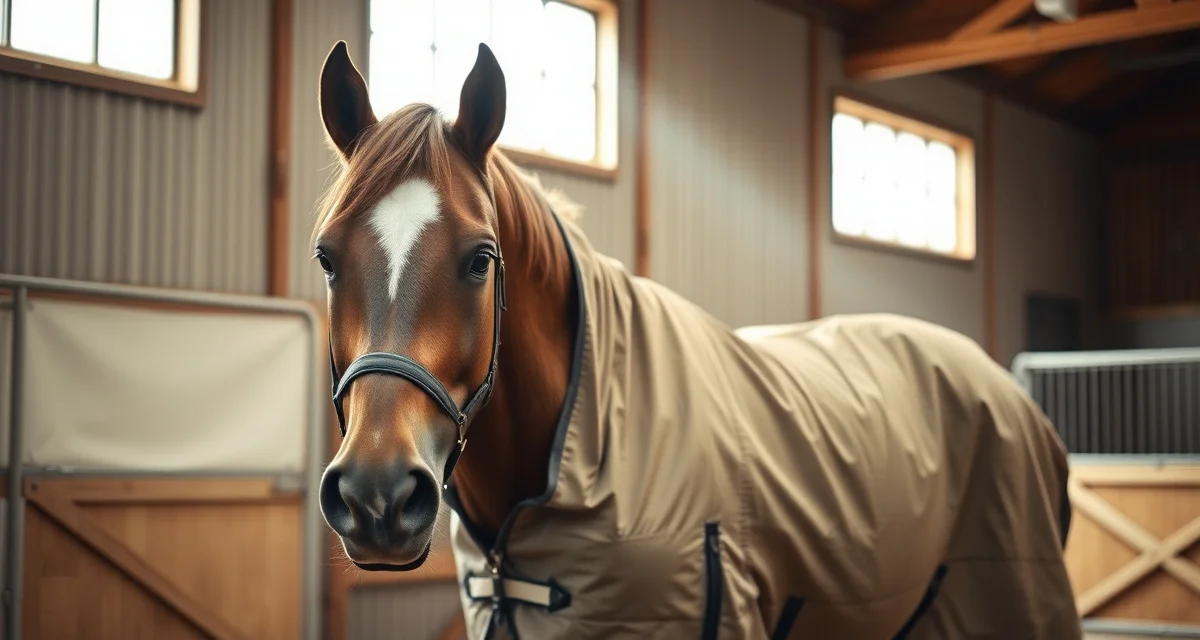
Boarding Barn Blanketing Policy: What to Include
Incorrect blanketing causes 18% of skin conditions in stabled horses, yet most boarding facilities still rely on a whiteboard, a group text, or staff memory to manage it. A written boarding barn blanketing policy eliminates that guesswork and protects both your horses and your business.
TL;DR
- Blanketing decisions should be based on documented protocols tied to temperature thresholds, not individual staff judgment.
- A written blanket chart per horse prevents errors when multiple staff members cover different shifts.
- Removing blankets in warming weather is as important as applying them in cold weather to prevent overheating.
- Health checks during blanket changes are an opportunity to spot early signs of weight loss, skin issues, or injury.
- Digital care logs with timestamped entries create accountability and catch missed blanket changes before they become problems.
- BarnBeacon's staff task tools let managers set and track blanketing protocols for every horse on the property.
The goal is a document your staff can act on at 5 a.m. without calling anyone.
Why Blanketing Disputes Happen at Boarding Barns
Owners have strong opinions about blanketing. Some want a sheet on at 50°F. Others refuse blankets entirely. Without a written policy, your staff is stuck in the middle, making judgment calls that can lead to a sick horse, an angry owner, and a liability conversation you do not want to have.
The problem compounds when you have 30, 50, or 80 horses with different clip levels, ages, and health conditions. A clipped horse and an unclipped horse standing in the same barn have completely different temperature thresholds.
Step 1: Define Your Barn's Default Blanketing Thresholds
Set Temperature Triggers by Horse Category
Start with a clear temperature chart. Your policy should specify exactly when staff apply or remove blankets, with no room for interpretation.
A workable baseline for most facilities:
- Unclipped, healthy adult horses: Blanket when temps drop below 20°F, or below 30°F with wind or rain
- Clipped horses: Blanket when temps drop below 40°F
- Senior horses (20+) or horses with metabolic conditions: Blanket when temps drop below 45°F
- Young horses under 2 years: Follow senior horse thresholds
These numbers should appear in the policy document, in the stall card template, and in whatever system your staff uses to track daily tasks. Our blanketing guide covers the physiological reasoning behind these thresholds in detail if you want to share it with owners during onboarding.
Account for Wind Chill and Precipitation
Temperature alone is not enough. A 35°F day with 20 mph winds and rain is a different situation than a calm, dry 35°F day. Your policy should state explicitly that staff will apply blankets when wind chill drops the effective temperature below your threshold, even if the air temperature is above it.
Name a specific weather source your staff checks, whether that is a local weather app, a weather station on the property, or a barn management platform that pulls forecast data automatically.
Step 2: Establish Owner Opt-Out and Custom Preference Rules
Create a Written Preference Form
Every owner should sign a blanketing preference form at move-in. This form should capture:
- Default blanket preference (barn standard, custom, or no blanket)
- Specific temperature triggers if they differ from barn standard
- Which blankets are on the property and where they are stored
- Permission for staff to use discretion in extreme weather
The opt-out clause matters legally. If an owner refuses blanketing and their horse develops a cold-related illness, your signed form documents that the decision was theirs.
Handle Mid-Season Changes in Writing
Owners change their minds. A horse gets clipped in October, and suddenly the old preference form is wrong. Build a process for updating preferences, whether that is an email confirmation, a form re-submission, or an update in your barn management software. Verbal changes should not count.
Step 3: Write Clear Staff Discretion Rules
Define When Staff Can Override Owner Preferences
This is the section most barn policies skip, and it is the most important one. Your staff needs to know when they are authorized to blanket a horse against the owner's stated preference.
A reasonable discretion clause reads something like: "In the event of severe weather, including temperatures below 15°F, freezing rain, or wind chill below 10°F, barn staff may apply an appropriate blanket to any horse showing signs of shivering or distress, regardless of owner preference on file. The owner will be notified within two hours."
Put a number on it. "Extreme cold" is not actionable. "Below 15°F" is.
Specify Who Makes the Call
Designate a role, not a person. "The barn manager on duty" is better than "Sarah," because Sarah might not be there. Your barn daily checklist should include a weather check at morning and evening feeding, with a note to escalate blanketing decisions to the barn manager if conditions are borderline.
Step 4: Address Blanket Condition and Fit
Require Annual Blanket Inspections
A waterproof blanket that has lost its denier rating is worse than no blanket in wet conditions because it traps moisture against the horse's coat. Your policy should require owners to provide blankets in good repair and give staff authority to pull a damaged blanket from rotation.
State clearly that the barn is not responsible for blanket damage that occurs during normal use, including turnout. Blankets get torn. That is a separate conversation from negligence.
Set Rules for Shared or Loaner Blankets
If your barn keeps loaner blankets, document who is responsible for cleaning them between uses. Skin conditions and fungal infections spread through shared equipment. A simple rule, "loaner blankets are washed before and after each use," prevents a lot of problems.
Step 5: Add Liability Language
Be Specific About What the Barn Is and Is Not Responsible For
Your policy should state that the barn will follow the owner's documented preferences and the barn's discretion clause, and that the barn is not liable for health outcomes resulting from owner-directed blanketing decisions.
Have an equine attorney review this section. Boilerplate liability language from a template may not hold up in your state. A one-hour legal review is worth the cost.
Require Acknowledgment at Signing
The policy only protects you if the owner has signed it. Include the blanketing policy as part of your boarding contract, not as a separate handout that might get lost. Require a signature and keep a copy on file.
Managing Equine Facility Blanketing Rules at Scale
When you are managing 50 or more horses, individual preference tracking becomes a real operational challenge. Equine facility blanketing rules that work for a 10-horse barn break down fast when you scale up.
This is where barn management software earns its keep. BarnBeacon, for example, pulls local forecast data and sends automatic blanketing alerts to staff based on each horse's individual profile, including clip status, age, and owner preferences. Instead of a staff member manually checking the weather and cross-referencing a spreadsheet, the alert arrives with the horse's name, stall number, and the specific action required.
Most barn software tools send general reminders. Very few connect forecast data to per-horse rules and push actionable alerts to the right person at the right time. That gap is where blanketing mistakes happen.
Common Mistakes to Avoid
Relying on group texts. Messages get buried. Staff members miss them. A task management system with confirmation is more reliable than a chat thread.
Using vague language. "Cold weather" and "as needed" are not policies. Every instruction in your blanketing policy should be specific enough that a new staff member could follow it on their first day.
Skipping the discretion clause. Without it, staff are paralyzed when an owner's preference conflicts with a horse's obvious need. Give them clear authority and clear limits.
Not updating preferences seasonally. A horse's blanketing needs in November are different from March. Build a reminder into your onboarding calendar to prompt owners to review their preferences at the start of each season.
What temperature does a horse need a blanket?
There is no single answer because it depends on the horse. An unclipped, healthy adult horse in good body condition can typically handle temperatures down to 20°F without a blanket. A clipped horse may need one at 40°F. Senior horses and horses with health conditions generally need blanketing at 45°F or above. Wind, rain, and the horse's individual condition all shift these thresholds.
How do I manage blanketing preferences for 50+ horses?
A spreadsheet breaks down quickly at that scale. The most reliable approach is barn management software that stores each horse's blanketing profile and surfaces the right instructions to staff at the right time. Stall cards with laminated preference summaries help as a backup, but they only work if someone keeps them updated. Build a seasonal review process into your boarding contract renewal.
Can barn software send automated blanketing alerts to staff?
Yes, and this is one of the more practical uses of modern barn management tools. BarnBeacon sends automatic blanketing alerts based on the local weather forecast and each horse's individual profile, including clip status, age, and owner preferences. Staff receive a specific alert with the horse's name and required action rather than a general weather notification they have to interpret themselves. This reduces missed blanketings and removes the guesswork from early morning and late evening checks.
How do I create a blanketing protocol that works across multiple staff members?
An effective blanket protocol specifies the temperature thresholds for each blanket weight, documents each horse's individual preferences or sensitivities, and is accessible from every staff member's phone. Protocols that live only in the barn manager's head or on a single binder in the office fail during shift coverage. A digital care log where the previous shift documents what each horse is wearing gives the incoming staff an immediate status check without having to walk every stall before making decisions.
What health issues can improper blanketing cause?
Over-blanketing in mild weather is a common cause of overheating, which can lead to excessive sweating, dehydration, and in extreme cases heat stress. Under-blanketing horses that are clipped or have a low body condition score in cold weather increases their caloric demand and can contribute to weight loss. Blankets that are too heavy after a period of exercise trap heat when the horse is cooling down. Regular blanket checks during weather transitions, not just at temperature extremes, prevent most of these issues.
Should I charge extra for blanketing services at my boarding facility?
Blanketing is a service that many facilities include in full-care board pricing and others bill separately, particularly for horses with extensive blanket wardrobes requiring multiple daily changes. If you bill for blanketing separately, the charge and what it covers should be documented in the boarding contract. Logging each blanket change in a care system creates a record that supports the billing and helps resolve any disputes about whether the service was provided.
Related Articles
FAQ
What is Boarding Barn Blanketing Policy: What to Include?
A boarding barn blanketing policy is a written document that defines exactly when, how, and by whom horse blankets are applied, adjusted, or removed. It replaces informal systems like whiteboards or group texts with clear temperature thresholds, per-horse blanket charts, and staff protocols. The goal is consistent care across all shifts without relying on individual judgment calls, protecting horses from overheating or cold stress and protecting barn owners from liability disputes with opinionated boarders.
How much does Boarding Barn Blanketing Policy: What to Include cost?
Creating a blanketing policy costs nothing beyond staff time to draft and implement. Most boarding barns can build a solid policy in a few hours using a template. Digital barn management tools like BarnBeacon offer built-in task tracking and care logs that support policy enforcement at no significant added cost. The real financial benefit is avoiding costly outcomes: vet bills from skin conditions, boarder disputes, or staff errors that result from having no written protocol in place.
How does Boarding Barn Blanketing Policy: What to Include work?
A blanketing policy works by establishing objective rules tied to temperature ranges and individual horse profiles rather than staff intuition. Each horse gets a blanket chart specifying weight and type by temperature. Staff follow the chart at scheduled check times, log each change with a timestamp, and note any health observations. Managers review logs to catch missed tasks. The system runs shift to shift without verbal handoffs, so a 5 a.m. employee knows exactly what to do for every horse on the property.
What are the benefits of Boarding Barn Blanketing Policy: What to Include?
A written blanketing policy reduces skin conditions caused by improper blanketing, which affect roughly 18% of stabled horses. It eliminates staff confusion during shift changes, creates accountability through timestamped logs, and gives boarders confidence their horses are being cared for consistently. It also turns blanket checks into structured health observation windows, catching early signs of weight loss or injury. For barn managers, it reduces liability exposure and removes the burden of adjudicating blanket disputes between staff and opinionated horse owners.
Who needs Boarding Barn Blanketing Policy: What to Include?
Any boarding barn with multiple staff members, multiple shifts, or more than a handful of horses needs a blanketing policy. If your current system relies on a whiteboard, a group chat, or staff memory, you are one missed shift or miscommunication away from a problem. Barns with high boarder turnover or seasonal staff are especially vulnerable. Equine facilities that advertise attentive care as a selling point also benefit from the documentation a policy provides when boarders ask how decisions are made.
How long does Boarding Barn Blanketing Policy: What to Include take?
Drafting a basic blanketing policy takes most barn managers two to four hours, including creating individual horse blanket charts and setting temperature thresholds. Implementing it with staff requires a short training session. Digital tools like BarnBeacon can reduce ongoing management to minutes per day through automated task reminders and care logs. The upfront investment is minimal compared to the time currently spent resolving miscommunications, fielding boarder complaints, or addressing health issues caused by inconsistent blanketing practices.
What should I look for when choosing Boarding Barn Blanketing Policy: What to Include?
Look for a policy that includes clear temperature thresholds for each blanket weight, individual charts for every horse reflecting owner preferences and health needs, defined staff roles and check schedules, a process for weather changes or unexpected temperature swings, and a logging system with timestamps. The policy should be actionable without verbal guidance so any staff member can execute it independently. Bonus: choose a format or tool that makes updates easy, since blanketing needs change seasonally and as horses age or their conditions shift.
Is Boarding Barn Blanketing Policy: What to Include worth it?
Yes. A boarding barn blanketing policy is worth the few hours it takes to create. Incorrect blanketing causes a significant share of skin conditions in stabled horses, and disputes over blanketing decisions are a common source of boarder dissatisfaction and staff stress. A written policy removes ambiguity, protects your business from liability, and demonstrates professional standards that justify your boarding rates. Paired with a digital care log, it also gives you documented proof that your team followed protocol if a boarder ever raises a concern.
Sources
- University of Minnesota Extension Horse Program, equine thermoregulation and blanketing guidance
- American Association of Equine Practitioners (AAEP), horse health and preventive care standards
- Rutgers Equine Science Center, equine care and management resources
- Kentucky Equine Research, nutrition and environmental management for horses
Get Started with BarnBeacon
BarnBeacon's staff task tools let you set blanket protocols per horse, track completion with timestamps, and give every staff member on any shift the same clear instructions. Start a free trial to see how it works with your actual barn team and horse population.