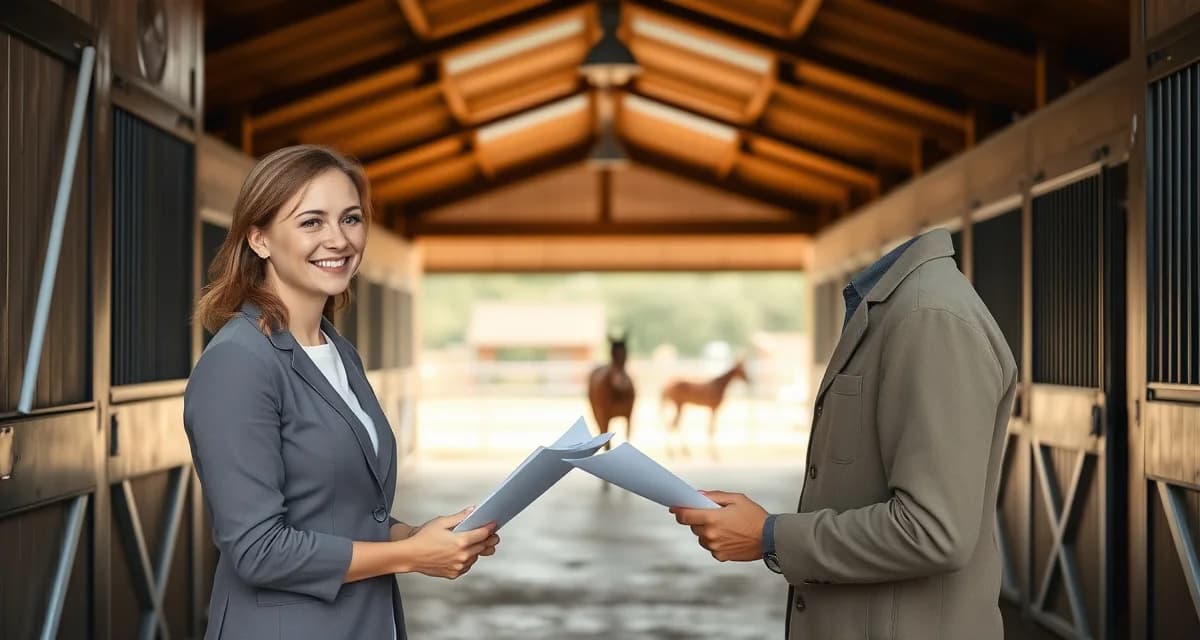
Onboarding New Boarding Clients from Inquiry to First Day
How you bring a new client into your barn sets the tone for everything that follows. A smooth, professional onboarding process signals that your operation is organized and that their horse will be well cared for. A disorganized one raises questions before the horse even arrives. Getting the process right is worth the time it takes to build it once.
Handling the Initial Inquiry
Most new client inquiries arrive by phone, email, or social media message. Respond within 24 hours. Boarding inquiries that go unanswered for several days often mean that client went to another barn. You cannot afford that, especially if you have stalls to fill.
In your initial response, confirm whether you have availability that matches what they are looking for. Get basic information: type of horse, approximate size, age, discipline, any known health or behavioral issues. This lets you assess fit before you invest significant time in the conversation.
Ask qualifying questions that protect your facility. Does the horse have any known vices that affect stall or herd management? Is the horse current on vaccinations and Coggins? Are there known health conditions you need to accommodate? These questions are not about excluding clients; they are about making sure you can actually serve their horse well.
If there is a good fit, invite them for a farm tour. In-person visits close more boarders than phone calls and email exchanges. They also give you a chance to assess whether this client will be a good fit for your barn community.
The Facility Tour
During the tour, show the client where their horse would live, eat, and exercise. Walk them through your daily care routine. Explain your feeding program, your turnout structure, your veterinary and farrier protocols.
Answer questions honestly. If your facility has limitations, such as an arena that books up quickly in the winter or limited trailer parking, address these proactively rather than having clients discover them after they have moved in. Surprises after move-in breed resentment.
Share your house rules during the tour: visiting hours, who is authorized to handle horses, guest policies, and anything else that affects how the relationship will work. These are not bureaucratic obstacles; they are the operational framework that makes the barn run well.
Paperwork Before the Horse Arrives
No horse should arrive at your facility without completed paperwork. This is a firm policy, not a suggestion. You need the following before move-in:
Boarding agreement: A signed contract covering board fees, payment terms, liability limitations, care authorizations, and the conditions under which either party can end the arrangement. Have an attorney review your contract if you have not done so recently.
Emergency contact form: Primary contact, secondary contact, and a third option if the first two are unreachable. Most clients have their vet listed as a backup contact, which is helpful.
Veterinary authorization: Authorization for you to call their regular vet and for what types of treatment you can authorize without reaching the owner. Specify a dollar threshold for independent authorization.
Horse information form: Breed, age, registration number if applicable, feeding instructions, known health conditions, medications, and behavioral notes. This document gets reviewed by every staff member who will care for that horse.
Vaccination and health records: Confirm the horse is current on vaccinations and has a negative Coggins within the required window. Know your state's requirements.
BarnBeacon lets you create digital intake forms that clients can complete before their horse arrives, making it easy to collect and store this information without printing and filing paper.
Preparing for the Horse's Arrival
Once paperwork is complete, prepare for the horse physically. The stall should be clean, bedded, and equipped with appropriate feeders and waterers. Have the first feeding of their regular feed ready; abrupt dietary changes cause digestive upset.
Confirm the arrival time so staff is available to receive the horse. New arrivals should be observed carefully in the first hours: are they drinking, eating, exploring, showing signs of shipping stress?
If the horse will be turned out with others, plan the introduction carefully. Turnout introductions done well protect everyone. Horses turned out in a new herd without attention to introduction dynamics get injured.
The First Week
The first week is when clients form their strongest impressions of your facility. They are visiting more frequently, watching how staff interacts with their horse, and comparing the reality of your barn to what they expected.
Be proactive during this period. Send a brief check-in message after the first day and again after the first week. Let the owner know how the horse is settling in, whether they are eating and drinking well, how they are adjusting to turnout and the routine.
Address any concerns promptly. If the owner has questions about the feeding or notices something that concerns them, take it seriously and follow up. First week issues that are handled well build trust. First week issues that are brushed off create clients who are already half out the door.
Setting the Communication Baseline
Use the onboarding period to establish your client communication pattern. Send the weekly update template. Explain how you handle health concerns and what triggers an immediate call versus what appears in the routine update. Make sure they know how to reach you for non-emergency questions.
This communication baseline, set in the first two weeks, defines how the relationship will work going forward. Clients who know what to expect are easier to work with throughout their time at your facility.
Document the onboarding process in your records: move-in date, all paperwork received, any special instructions noted, and the initial health status of the horse. This record starts the client's file and provides a reference point for everything that follows.
FAQ
What is Onboarding New Boarding Clients from Inquiry to First Day?
Onboarding new boarding clients from inquiry to first day is the structured process a barn uses to welcome a new horse and owner into their facility. It covers everything from the first phone call or email, through qualification, facility tour, contract signing, health record collection, and the horse's actual arrival. A well-built onboarding process protects both parties, reduces miscommunication, and helps new clients feel confident their horse landed in the right place.
How much does Onboarding New Boarding Clients from Inquiry to First Day cost?
There is no direct cost to the onboarding process itself — it is simply part of running a professional boarding operation. However, the time you invest in building intake forms, contracts, and welcome materials pays dividends by reducing disputes, minimizing turnover, and attracting clients who value a well-managed facility. Some barns hire barn managers or administrative help to handle onboarding, which is a staffing cost worth considering as your operation grows.
How does Onboarding New Boarding Clients from Inquiry to First Day work?
The process typically starts with an inquiry by phone, email, or social media. The barn responds quickly, asks qualifying questions about the horse and owner's needs, and schedules a tour if there is a potential fit. Once both parties agree to move forward, paperwork is exchanged — boarding contract, emergency contact and vet authorization forms, and health records. The horse then arrives on a scheduled date with a planned introduction to the facility and herd.
What are the benefits of Onboarding New Boarding Clients from Inquiry to First Day?
A structured onboarding process sets clear expectations from day one, reducing misunderstandings about barn rules, feeding schedules, and billing. It protects your facility by ensuring incoming horses meet health and vaccination requirements. It signals professionalism, which attracts and retains higher-quality clients. It also saves time — a repeatable system means you are not reinventing the process for every new boarder, and your staff knows exactly what to do when a new horse arrives.
Who needs Onboarding New Boarding Clients from Inquiry to First Day?
Any barn owner or manager who takes in boarding clients needs a defined onboarding process. This is especially important for operations with multiple staff members, shared pastures or paddocks, or a mix of horse types and disciplines. If your barn is growing, has had past disputes over expectations or billing, or struggles with high boarder turnover, a formalized onboarding system is the first place to invest your organizational energy.
How long does Onboarding New Boarding Clients from Inquiry to First Day take?
The onboarding timeline varies by barn and situation, but plan for roughly one to two weeks from initial inquiry to the horse's first day. The inquiry and qualification stage may take a few days of back and forth. Contract review and paperwork typically adds a few more days. The horse's arrival should be scheduled deliberately — not rushed — to allow proper stall preparation and a calm introduction to the new environment and herd.
What should I look for when choosing Onboarding New Boarding Clients from Inquiry to First Day?
Look for a barn that responds promptly to your initial inquiry, asks thoughtful questions about your horse rather than just your budget, and provides clear written documentation before you commit. The contract should spell out feeding, turnout, care standards, billing, and exit terms. A good barn will also ask for your horse's health records and have a clear plan for the arrival day. Disorganization at the inquiry stage is usually a preview of what management will look like once you are a boarder.
Is Onboarding New Boarding Clients from Inquiry to First Day worth it?
Yes — for barn owners, investing time in a proper onboarding process is absolutely worth it. It reduces the risk of problem placements, protects you legally through proper contracts, and creates a professional first impression that retains clients longer. For horse owners evaluating a barn, a smooth onboarding experience is a reliable signal that the facility is well-run and that your horse will receive consistent, attentive care. First impressions in the boarding relationship tend to hold.