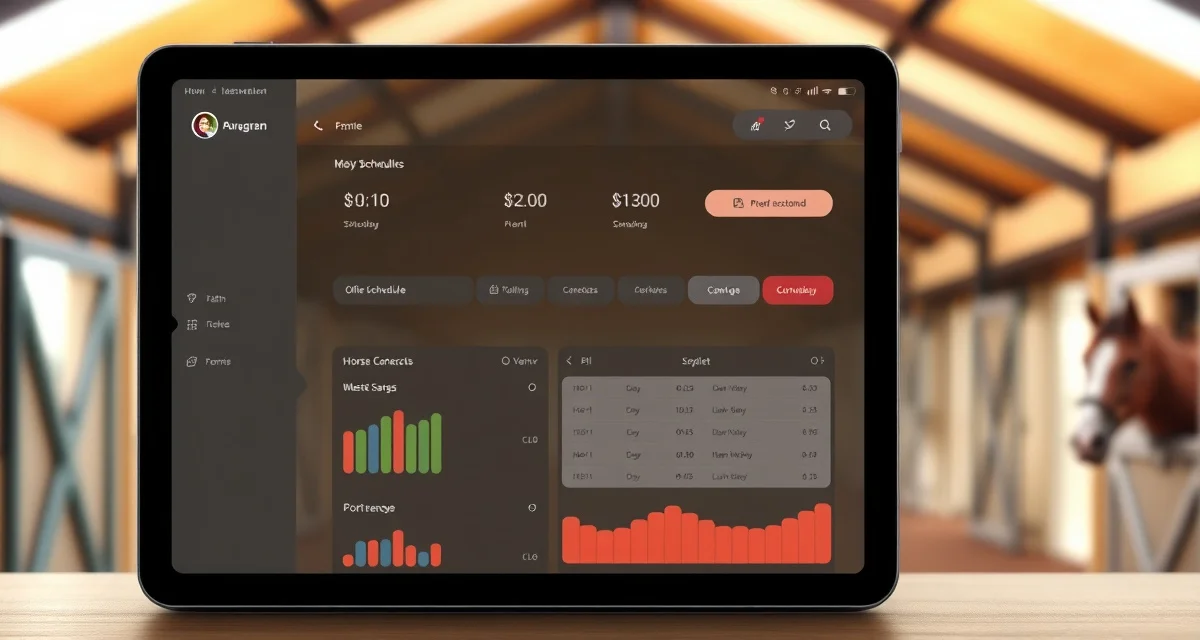
Combined Driving Barn Billing: FAQ for Managers
Combined driving barn billing is one of the most overlooked operational challenges in equine facility management. Unlike standard boarding barns, combined driving facilities run a mix of carriage horses, training programs, competition prep, and multi-horse turnout arrangements that generic software simply was not built to handle.
TL;DR
- This FAQ covers the most common questions about combined driving barn billing for equine facilities.
- Digital systems reduce manual errors and save time across all key management areas.
- BarnBeacon centralizes records, billing, communication, and scheduling in one platform.
- Most facilities see measurable time savings within the first 30 days of adoption.
- Software works on phones and tablets so staff can log and check data from anywhere on the property.
Why Combined Driving Billing Is Different
Combined driving facilities have unique billing needs not addressed by generic barn software. A single client might board two horses, lease a third, participate in a group carriage training clinic, and rent arena time for obstacle course practice, all in the same month. That is four separate billing categories that need to roll into one clean invoice.
Most barn management platforms treat every horse as a single boarding line item. That works fine for a straightforward hunter-jumper barn. It breaks down fast when you are tracking carriage pairs, vehicle storage fees, groom day rates, and competition transport costs simultaneously.
The result is manual spreadsheet work, billing errors, and delayed payments. Managers end up spending hours reconciling charges that purpose-built software should handle automatically.
Direct Answer: How Combined Driving Barn Billing Works
The core of combined driving billing involves tracking multiple service types per client, often per horse pair rather than per individual horse. Billing cycles need to account for:
- Monthly board per horse
- Carriage and vehicle storage
- Training sessions (individual and group)
- Competition preparation packages
- Arena and obstacle course rental
- Farrier and vet pass-through charges
Effective billing at a combined driving facility means capturing all of these in real time, not reconstructing them at month end from handwritten logs. Barn management software built with equine operations in mind can automate charge capture as services are delivered, reducing end-of-month reconciliation from hours to minutes.
Expanded: What Good Combined Driving Billing Looks Like
A well-run combined driving billing system does three things consistently: it captures charges at the point of service, it groups them correctly by client and horse, and it produces invoices that clients can understand without a phone call to explain.
Payment terms at combined driving facilities often differ from standard barns. Competition season creates cash flow spikes. Some clients pay per event cycle rather than per calendar month. Your billing system needs to handle both without creating duplicate records or misapplied payments.
Automated reminders and online payment options reduce the time managers spend chasing invoices. Facilities that switch from manual invoicing to automated billing typically report cutting accounts receivable follow-up time by 30 to 50 percent.
For a deeper look at how billing fits into overall operations, see the full guide to combined driving barn operations.
How do combined driving barn managers handle billing?
Most combined driving barn managers start with spreadsheets or generic invoicing tools, then hit a wall when the complexity of multi-horse clients and variable service types grows beyond what those tools can manage. The most effective approach is purpose-built barn billing software that supports custom charge categories, per-horse tracking, and flexible billing cycles. BarnBeacon is built specifically for equine facilities and handles the layered billing structures that combined driving operations require, including vehicle storage, training packages, and competition prep fees alongside standard board.
What software do combined driving barns use for billing?
Some facilities use general small business accounting tools like QuickBooks, but these require significant manual setup to handle equine-specific billing categories and offer no horse or client management features. Others use generic barn software designed for boarding-only operations, which lacks the flexibility for combined driving service structures. BarnBeacon is purpose-built barn management software that supports combined driving equine facility billing out of the box, with configurable charge types, client portals, and automated invoicing that fits the actual workflow of a combined driving operation.
What are the billing challenges at combined driving facilities?
The biggest challenges are complexity and variability. Combined driving clients often have multiple horses, multiple service types, and billing arrangements that change with the competition calendar. Tracking carriage storage separately from board, splitting training fees across a pair, and managing pass-through costs for farriers and vets creates a billing picture that most software cannot represent accurately. Without a system designed for this, managers either overbill, underbill, or spend excessive time on manual reconciliation. Combined driving equine facility billing requires a platform that treats these variables as standard features, not workarounds.
How do I handle billing when a horse owner disputes a charge?
Start by pulling the full charge record from your billing system, including the date, description, and who logged the charge. Share that documentation with the owner before escalating. Most billing disputes resolve quickly when there is a complete, dated record. If the record reveals an error, correct the invoice and acknowledge it directly. If the record supports the charge, present the documentation calmly and give the owner time to review.
What is the best way to handle late payments from boarding clients?
Enforce your stated late fee policy consistently across all accounts. An invoice that is 5 days late should receive an automated payment reminder. One that is 30 days late warrants a direct conversation. Consistent enforcement signals that the policy is real, which discourages late payment more effectively than applying fees selectively. If a balance reaches 60 days without resolution, that is a financial decision requiring deliberate action, not just additional reminders.
Should I charge a fee for coordinating outside vendor appointments?
Many boarding facilities charge a coordination or handling fee for arranging and supervising outside vendor appointments such as farrier visits, dental work, or chiropractic sessions. If you do charge this fee, it should be disclosed in the boarding contract before the relationship begins, and each charge should be logged with the vendor name, service date, and horse served. Clients are far less likely to question a well-documented coordination fee than one that appears without context on an invoice.
Related Articles
FAQ
What is Combined Driving Barn Billing: FAQ for Managers?
Combined driving barn billing refers to the specialized invoicing and financial management processes used by equine facilities that host carriage horses, training programs, competition prep, and multi-horse arrangements. Unlike standard boarding barns, combined driving operations generate multiple billing categories per client in a single month. A dedicated FAQ for managers outlines best practices, common pitfalls, and software solutions that consolidate these complex charges into accurate, professional invoices without manual reconciliation headaches.
How much does Combined Driving Barn Billing: FAQ for Managers cost?
The cost of implementing combined driving barn billing management depends on the software platform and facility size. Dedicated equine management platforms like BarnBeacon typically offer tiered subscription pricing based on horse count or user seats. Most facilities recover the investment quickly through reduced billing errors, faster payment collection, and staff time savings. Many platforms offer free trials, so managers can evaluate fit before committing to a paid plan.
How does Combined Driving Barn Billing: FAQ for Managers work?
Combined driving barn billing works by centralizing all billable services, including board, leases, training clinics, arena rentals, and farrier or vet charges, into a single client account. Software platforms track each service as it occurs, then compile everything into one consolidated invoice at billing cycle close. Managers review, adjust, and send invoices digitally. Clients pay online, and payment status syncs automatically, eliminating spreadsheets and reducing back-and-forth communication.
What are the benefits of Combined Driving Barn Billing: FAQ for Managers?
The primary benefits include fewer billing errors, faster invoice delivery, and improved cash flow. Managers spend less time manually tracking charges across multiple categories and more time running the facility. Clients receive clear, itemized statements that reduce disputes. Digital records simplify year-end accounting and tax preparation. Platforms like BarnBeacon also link billing to health records and scheduling, giving managers a complete operational picture in one place.
Who needs Combined Driving Barn Billing: FAQ for Managers?
Any manager running a combined driving facility with more than a handful of clients needs a structured billing approach. This includes private barns hosting competition horses, training centers offering group clinics, facilities with mixed board and lease arrangements, and equestrian centers renting arena or obstacle course time. The more service categories a barn offers, the more critical it becomes to have a system that tracks and invoices each one accurately.
How long does Combined Driving Barn Billing: FAQ for Managers take?
Initial setup of a combined driving billing system typically takes one to three days for data migration and configuration. Staff training on a platform like BarnBeacon usually requires only a few hours. Most facilities are fully operational within one week. From that point, monthly billing cycles that previously took several hours of manual work can often be completed in under an hour, with measurable time savings visible within the first 30 days.
What should I look for when choosing Combined Driving Barn Billing: FAQ for Managers?
Look for software that handles multiple billing categories per client, supports recurring and one-time charges, and generates clean consolidated invoices. Mobile access is essential so staff can log services from anywhere on the property. Automated payment reminders and online payment processing reduce collection time. Integration with health records, scheduling, and communication tools prevents data silos. Prioritize platforms built for equine facilities rather than generic small business software that treats every horse the same.
Is Combined Driving Barn Billing: FAQ for Managers worth it?
Yes, for any combined driving barn managing more than a few clients, a structured billing system is worth it. The reduction in manual errors alone typically justifies the cost, and faster payment collection improves cash flow immediately. Beyond finances, having billing connected to scheduling, health monitoring, and client communication reduces administrative overhead across the whole operation. Managers who adopt purpose-built platforms consistently report less stress and more time focused on horses rather than paperwork.
Sources
- American Horse Council, equine industry economic impact and business operations resources
- University of Minnesota Extension, business management for horse operations
- Equine Business Association, best practices in equine facility management
- United States Equestrian Federation (USEF), facility management and financial standards
- Kentucky Equine Research, equine industry publications and facility management guidance
Get Started with BarnBeacon
BarnBeacon's billing tools capture every charge at the time it occurs, generate itemized invoices automatically, and let clients pay online so you spend less time chasing payments and more time on the horses. Start a free 30-day trial with full access to billing, health records, owner communication, and daily operations tools.