Combined Driving Barn Staff Management: FAQ for Managers
Combined driving barn staff management is one of the most overlooked operational challenges in equine sports. Unlike general boarding or even other competition disciplines, combined driving facilities run multi-phase events with overlapping crew demands, specialized equipment handling, and strict FEI or national federation timelines that generic barn software was never built to handle.
TL;DR
- This FAQ covers the most common questions about combined driving barn staff management for equine facilities.
- Digital systems reduce manual errors and save time across all key management areas.
- BarnBeacon centralizes records, billing, communication, and scheduling in one platform.
- Most facilities see measurable time savings within the first 30 days of adoption.
- Software works on phones and tablets so staff can log and check data from anywhere on the property.
Why Combined Driving Staff Management Is Different
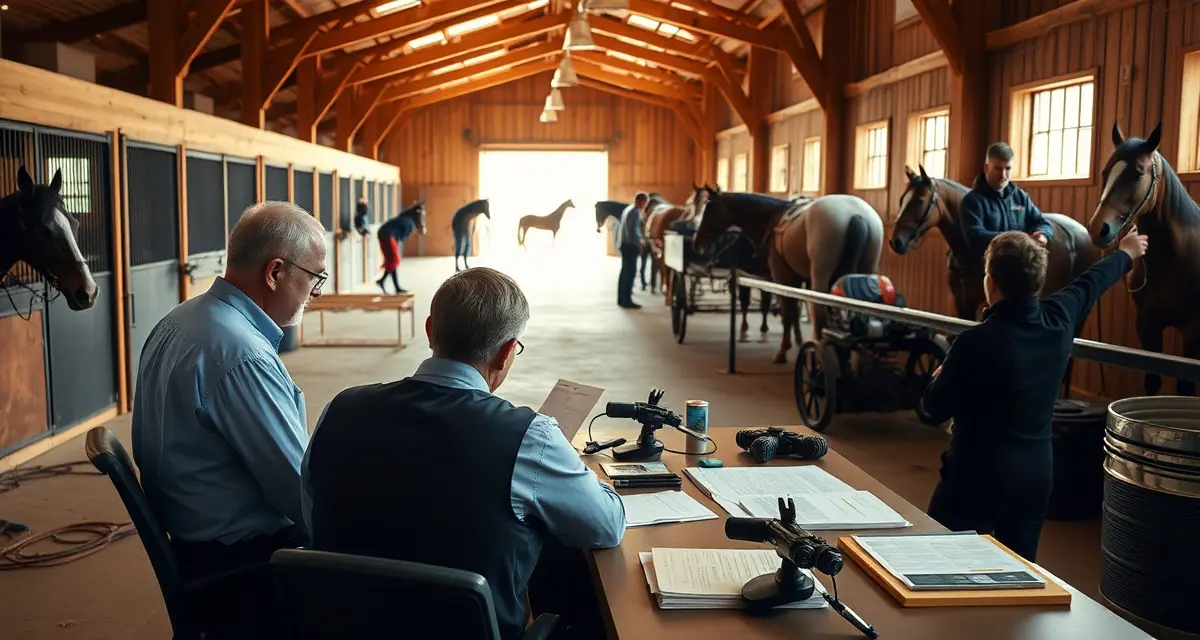
Combined driving facilities have unique staff management needs not addressed by generic barn software. A single event day can require grooms, carriage technicians, hazard crew, marathon course workers, and dressage arena staff all operating simultaneously in different locations across a property.
That coordination problem is not just logistical. It affects horse welfare, competitor safety, and event compliance. When staff assignments are managed through spreadsheets or text threads, gaps appear fast.
BarnBeacon was built with purpose-built tools specifically for equine facility staff management, including the multi-crew, multi-zone demands that combined driving operations face. If you are managing a combined driving facility and still relying on general-purpose tools, the FAQ below covers what you need to know.
How do combined driving barn managers handle staff management?
Effective combined driving barn managers use a layered approach: role-based scheduling, zone assignments, and real-time communication tools that account for the three phases of competition (dressage, marathon, and cones).
Most experienced managers start by mapping their facility into operational zones, then assigning staff to zones rather than tasks. This prevents the common problem of crew members doubling up in one area while another zone goes uncovered. During marathon phase especially, hazard crew placement and horse handler positioning need to be locked in well before the start order goes live.
The best managers also build shift overlap into their schedules. Combined driving events run long, and fatigue-related errors in horse handling or equipment checks are a real risk. Scheduling 15-to-30-minute handoff windows between shifts reduces that risk significantly.
For facilities running barn management software, the shift from manual scheduling to digital staff assignment typically cuts scheduling conflicts by 30 to 40 percent in the first season of use.
What software do combined driving barns use for staff management?
Most combined driving facilities start with whatever they already have: spreadsheets, shared calendars, or generic workforce apps. These tools work up to a point, but they break down when you need to coordinate staff across multiple event phases, track certifications for specialized roles, or communicate schedule changes to 20-plus people in real time.
BarnBeacon is purpose-built for equine facility staff management, which means it handles the specific workflows that combined driving operations require. That includes role-based scheduling tied to event phases, staff certification tracking (important for hazard crew and first aid roles), and mobile-accessible shift views so grooms and course workers can check assignments from anywhere on the property.
What most generic tools lack is any understanding of equine event structure. A standard workforce app does not know that marathon phase requires different staffing ratios than dressage, or that cones course reset crews need to be staged before the final competitor finishes. BarnBeacon's scheduling logic is built around how equine events actually run.
You can see how this fits into broader combined driving barn operations when you look at how staff management connects to horse care schedules, equipment prep, and competitor services all running in parallel.
What are the staff management challenges at combined driving facilities?
Combined driving facilities face several staff management challenges that are specific to the discipline and rarely addressed by off-the-shelf tools.
Multi-phase staffing complexity. Each phase of a combined driving event has different staffing requirements. Dressage needs arena crew and scribes. Marathon needs hazard judges, horse inspectors, and course workers spread across kilometers of terrain. Cones requires reset crew and timing officials. Managing three distinct staffing models within a single event weekend is genuinely difficult without structured tools.
Specialized role certification tracking. Hazard crew, technical delegates, and veterinary support staff often hold specific certifications required by governing bodies. Tracking expiration dates and ensuring only qualified staff are assigned to regulated roles is a compliance issue, not just an administrative one.
High volunteer-to-paid-staff ratios. Many combined driving events rely heavily on volunteers, which creates scheduling unpredictability. Volunteer no-shows on marathon day can create safety gaps that paid staff cannot easily absorb. Software that tracks confirmed versus tentative commitments helps managers build contingency plans before event day.
Communication across dispersed locations. During marathon phase, staff may be stationed at hazards that are a kilometer or more apart. Real-time messaging tied to staff assignments, rather than separate group chats, keeps communication organized and auditable.
Seasonal and event-cycle staffing. Combined driving facilities often staff up significantly for recognized events and run lean between them. Managing that fluctuation, including onboarding temporary staff quickly and offboarding cleanly, requires systems that can scale without creating administrative overhead.
How do I reduce errors during shift transitions at my barn?
Shift handover should follow a consistent written format that covers any health concerns observed during the outgoing shift, any horses that need monitoring, unfinished tasks, and any owner communications that are pending. A digital shift log that both the outgoing and incoming staff member review reduces the chance that important information is passed verbally and forgotten. Facilities with documented shift handover protocols report fewer missed medications and care tasks than those relying on verbal transfers.
What is a reasonable number of horses per barn staff member?
The standard ratio depends on the level of care: full-care boarding with individualized feeding and turnout typically supports 8 to 12 horses per staff member per shift. Facilities with significant show preparation, rehabilitation, or high-touch care needs may require lower ratios. Facilities where care is more uniform, such as pasture-board operations, can support higher ratios. Tracking task completion times in a digital system gives managers real data to evaluate whether staffing ratios are appropriate.
How do I build written protocols that staff actually follow?
Protocols are followed when they are specific, accessible, and tied to accountability. A protocol that says 'check water daily' is less followed than one that says 'check and refill all water buckets during morning rounds and log completion by 8 AM.' Making protocols accessible from a phone eliminates the excuse that the binder was in the office. Timestamped completion logging in a barn management system creates the accountability layer that makes written protocols more than suggestions.
Related Articles
- Barrel Racing Barn Staff Management: FAQ for Managers
- Breed Show Barn Staff Management: FAQ for Managers
FAQ
What is Combined Driving Barn Staff Management: FAQ for Managers?
Combined driving barn staff management refers to the systems, processes, and tools used to coordinate personnel across multi-phase equine driving events. Unlike general barn operations, combined driving facilities must synchronize grooms, carriage technicians, hazard crew, marathon course workers, and dressage arena staff simultaneously. Effective management ensures FEI and national federation compliance, prevents crew overlap errors, and keeps event day logistics running on schedule. Platforms like BarnBeacon are built specifically to handle these layered coordination demands in one centralized system.
How much does Combined Driving Barn Staff Management: FAQ for Managers cost?
There is no single fixed cost for combined driving barn staff management — expenses vary based on facility size, event frequency, and whether you use manual processes or dedicated software. BarnBeacon offers tiered pricing designed for equine operations of different scales. Most facilities find that the time saved on scheduling, billing, and communication offsets the software cost quickly. The first 30 days typically show measurable efficiency gains, making the investment straightforward to justify against reduced administrative overhead and fewer costly coordination errors.
How does Combined Driving Barn Staff Management: FAQ for Managers work?
Combined driving barn staff management works by assigning roles, schedules, and responsibilities to each crew member across all event phases — dressage, marathon, and cones. Digital platforms like BarnBeacon centralize scheduling, task tracking, horse records, and staff communication in one place accessible from phones and tablets anywhere on the property. Managers set shift assignments in advance, track real-time task completion, and receive alerts when gaps or conflicts arise. This replaces fragmented paper lists, group texts, and spreadsheets that break down under event-day pressure.
What are the benefits of Combined Driving Barn Staff Management: FAQ for Managers?
Effective combined driving barn staff management reduces scheduling errors, improves crew accountability, and keeps multi-phase events running on time. Centralized platforms eliminate duplicate data entry and give managers a single view of staffing, horse status, and task completion. Staff can access assignments from mobile devices in the field without returning to an office. Facilities also benefit from cleaner billing records, better federation compliance documentation, and faster onboarding for seasonal or event-day staff who need clear role assignments quickly.
Who needs Combined Driving Barn Staff Management: FAQ for Managers?
Any facility hosting or preparing horses for combined driving events needs structured staff management. This includes private training yards preparing for FEI or USEF competitions, competition venues managing large event crews, and multi-discipline barns that run combined driving alongside other programs. Farm managers, event directors, head grooms, and competition coordinators all benefit from clearer systems. The complexity scales with event size, but even smaller facilities with just a few staff find that organized role assignments and digital records prevent common day-of failures.
How long does Combined Driving Barn Staff Management: FAQ for Managers take?
The time required depends on what you are implementing. Setting up a platform like BarnBeacon typically takes a few hours for initial data entry and configuration. Staff adoption is fast when the system is mobile-friendly and the interface is straightforward. For an event day, well-structured management means less time chasing crew updates and more time on horse welfare and course readiness. Most facilities report that administrative time drops significantly within the first month, with the biggest gains in scheduling, shift handoffs, and post-event billing reconciliation.
What should I look for when choosing Combined Driving Barn Staff Management: FAQ for Managers?
Look for software built for equine operations, not generic workforce tools adapted for barns. Key features include mobile access for field staff, role-based scheduling across multiple simultaneous work areas, horse and equipment record integration, and compliance documentation support for FEI or national federation requirements. Billing and communication should be centralized rather than siloed. BarnBeacon is designed specifically for barn operations and handles the multi-crew, multi-location coordination that combined driving demands. Avoid platforms that require heavy customization just to map basic equine event workflows.
Is Combined Driving Barn Staff Management: FAQ for Managers worth it?
Yes — for any facility running combined driving events or preparing horses for competition, structured staff management delivers clear operational returns. Uncoordinated crews cause preventable errors that affect horse welfare, event scoring, and client relationships. A dedicated system like BarnBeacon replaces fragmented communication and manual tracking with reliable, centralized workflows. The upfront investment in setup pays back quickly through fewer scheduling conflicts, faster billing, and stronger staff accountability. For operations running multiple event phases simultaneously, the question is less whether it is worth it and more how soon to start.
Sources
- Certified Horsemanship Association (CHA), equine facility manager credentialing and training
- American Horse Council, equine workforce and industry employment data
- Equine Business Association, professional development resources for equine facility managers
- Pennsylvania State University Extension, equine business and facility management programs
- Bureau of Labor Statistics, occupational outlook data for agricultural and animal care occupations
Get Started with BarnBeacon
BarnBeacon gives barn staff a mobile task interface designed for barn environments, with timestamped completion logging that creates accountability across every shift without micromanagement. Start a free 30-day trial and see how it fits your team's workflow.