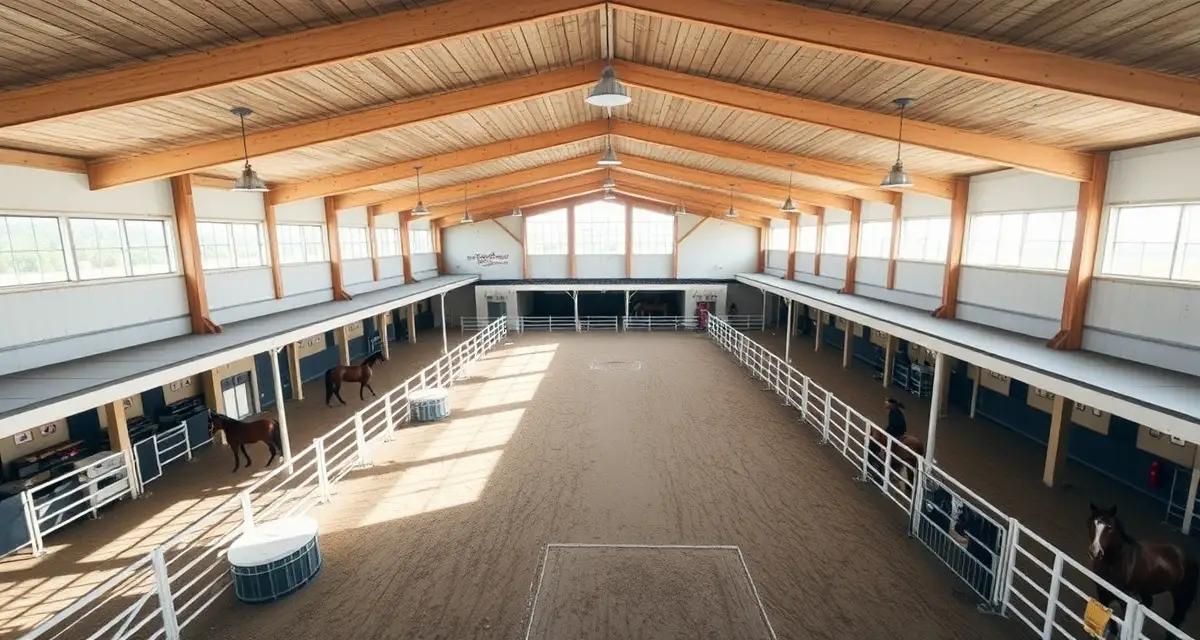
Managing a Multi-Discipline Training Facility
A multi-discipline facility serves riders and horses across more than one equestrian discipline under one roof. The most common combination is English and western, but multi-discipline facilities might also combine dressage with hunter/jumper, or offer eventing alongside trail riding programs. The advantage of the model is that you can serve a broader client base and generate revenue from multiple directions. The challenge is that different disciplines have different cultures, different facility requirements, and sometimes different client expectations that can create friction if not managed thoughtfully.
Understanding Your Client Communities
Different disciplines attract different kinds of riders, and understanding the culture of each community at your facility is the first step to managing them well.
Hunter/jumper clients tend to be focused on show schedules, care standards for horses that compete regularly, and the relationship between the facility and the trainers who work there. Dressage clients often have strong opinions about training philosophy and may be more exacting about the details of horse care and management. Western performance clients may be more casual about facility aesthetics but serious about the quality of the arena footing and the availability of appropriate equipment.
When these communities share a facility, tensions can arise if one group feels that the management favors another, if facility resources are allocated in ways that seem unfair, or if the different cultures rub against each other in the shared spaces. Proactive management that acknowledges each community, schedules resources fairly, and communicates clearly about the facility's approach prevents most of these tensions.
Facility Design and Resource Allocation
Multi-discipline facilities ideally have enough space to give each discipline appropriate facilities. Separate arena spaces for western and English disciplines eliminate many conflicts; a hunter course set up in the same arena that western riders want to use for flat work creates scheduling and setup headaches.
When full separation is not possible, establish clear scheduling blocks for different uses and communicate them consistently. If Saturday mornings are for hunter/jumper lessons and Saturday afternoons are for western work, and this schedule is clearly communicated and consistently maintained, most clients will work within it.
Arena footing may be a point of contention. Hunter/jumper riders often prefer different footing specifications than reining or cutting riders. If you serve both, consult your clients and find a maintenance approach that is acceptable to both, even if it is not the ideal for either.
Trainer Relationships
Multi-discipline facilities typically have multiple trainers representing different disciplines. Managing these trainer relationships is one of the most complex aspects of running this type of facility.
Trainers may compete with each other for clients within your facility. They may have different fee structures, different expectations of the barn staff, and different communication styles with the facility management. Some trainers bring large client followings; others work with smaller numbers of dedicated clients.
The barn manager's role in this dynamic is to maintain clear, consistent policies that apply to all trainers equally, to facilitate communication between trainers and management without taking sides in trainer conflicts, and to ensure that no single trainer's needs consistently override the facility's other commitments.
Billing Across Disciplines
Multi-discipline facilities often have multiple billing structures running simultaneously: monthly board for different stall types, lesson billing for English and western programs, training fees at different rates depending on the trainer and discipline, and show-related charges. Keeping all of this organized requires a billing system that can handle complexity.
BarnBeacon's billing tools handle multiple service types and rate structures within the same account, which makes invoicing multi-discipline clients manageable without maintaining separate billing systems for different programs.
Marketing a Multi-Discipline Facility
The competitive advantage of a multi-discipline facility is breadth of offering. Market it as such: a horse owner with multiple interests does not have to choose between facilities if you offer everything they need. A rider who starts as a western pleasure beginner and develops an interest in hunter/jumper can make that transition at your facility rather than moving barns.
For more on managing complex programs, see our guides on multi-program barn management and multi-service barn management.
FAQ
What is Managing a Multi-Discipline Training Facility?
A multi-discipline training facility is an equestrian operation that serves riders and horses across more than one discipline—such as English and western, dressage and hunter/jumper, or eventing and trail riding—under one roof. Rather than specializing in a single riding style, these facilities are designed to accommodate the unique needs of multiple equestrian communities simultaneously, offering shared infrastructure like arenas and stabling while tailoring programs, scheduling, and amenities to each discipline's distinct requirements and culture.
How much does Managing a Multi-Discipline Training Facility cost?
Costs vary widely based on facility size, location, and disciplines offered. Startup costs for a multi-discipline facility typically range from $500,000 to several million dollars when accounting for land, arenas, stabling, and specialized footing. Operational costs run $15,000–$60,000+ per month. Board rates generally range from $400–$1,500 per month per horse depending on region and care level. Lesson and training programs add revenue but also overhead. Budgeting for discipline-specific equipment and arena configurations is essential.
How does Managing a Multi-Discipline Training Facility work?
A multi-discipline facility works by creating shared infrastructure—barns, wash racks, pastures—while dedicating specific arenas or scheduling blocks to different disciplines. Managers coordinate trainer schedules, arena use, and client expectations to minimize friction between groups. Separate lesson programs, show preparation routines, and care standards are maintained for each discipline. Revenue is generated through board, training, lessons, clinics, and facility rentals, with scheduling systems ensuring each discipline community gets adequate access to appropriate spaces.
What are the benefits of Managing a Multi-Discipline Training Facility?
The primary benefit is a broader client base that generates revenue from multiple directions, reducing dependence on any single equestrian market. Multi-discipline facilities can fill stalls more consistently, attract a wider range of trainers, and host more diverse events and clinics. They're also more resilient to shifts in discipline popularity. When managed well, the cross-pollination of disciplines can create a vibrant barn culture and provide riders with opportunities to explore new riding styles.
Who needs Managing a Multi-Discipline Training Facility?
Any equestrian entrepreneur, barn owner, or facility manager who wants to serve a diverse riding community can benefit from the multi-discipline model. It's particularly valuable in areas where a single discipline doesn't generate enough demand to fill a facility. Established single-discipline barns looking to grow revenue or attract new clients also benefit from transitioning to a multi-discipline model. Trainers who themselves work across disciplines are natural candidates to lead or partner in these operations.
How long does Managing a Multi-Discipline Training Facility take?
Building a successful multi-discipline facility is an ongoing process rather than a finite project. Initial setup—including arena construction, footing installation, and program development—can take one to three years. Establishing a stable client base across multiple disciplines typically takes two to five years. Day-to-day management is continuous, with scheduling, facility maintenance, and community relations requiring constant attention. Seasonal fluctuations tied to show calendars mean managers must plan well in advance for peak demand periods.
What should I look for when choosing Managing a Multi-Discipline Training Facility?
Look for experienced management or trainers with genuine knowledge of each discipline offered. Evaluate the quality and suitability of arena footing for different riding styles, as this is often a major differentiator. Assess scheduling systems that give each discipline fair access to facilities. Review how conflicts between discipline communities are handled. Strong facilities maintain clear communication channels, well-defined boarding agreements, and a culture of mutual respect. Visiting during peak hours gives you a realistic picture of how well operations are managed.
Is Managing a Multi-Discipline Training Facility worth it?
Yes—when managed thoughtfully, a multi-discipline facility offers significant advantages over a single-discipline operation. The ability to serve diverse clients provides financial resilience and higher occupancy rates. The key is proactive management: clear scheduling, discipline-specific care standards, and intentional community building prevent the cultural friction that can undermine these facilities. Owners who invest in understanding each discipline's culture and infrastructure needs consistently report stronger occupancy, more diverse revenue streams, and a more dynamic barn environment than single-discipline peers.