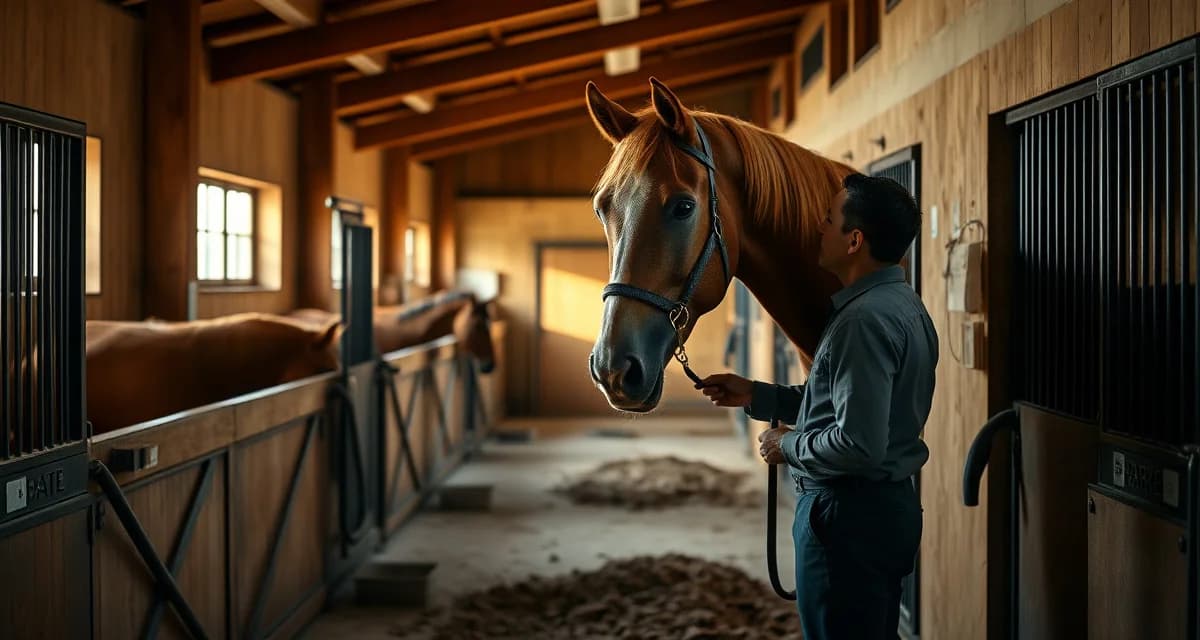
Owner Communication at Retirement Boarding Barns: Best Practices
Retirement facilities represent a distinct segment with unique management needs that general boarding barns simply don't face. Owners of retired horses are often emotionally invested at a different level than competitive riders, and they're not on-site daily to see their horse. That gap in visibility creates a communication burden that, if handled poorly, leads to anxiety, disputes, and turnover.
TL;DR
- owner communication is the top factor in boarding client retention, ranked above facility quality and pricing in surveys
- Structured daily updates take under 30 seconds to log when built into care workflows and deliver outsized retention value
- Health alerts sent within 30 minutes of an event, with a documented response timeline, build owner confidence
- Billing transparency, specifically itemized invoices and pre-approval for large expenses, prevents most financial disputes
- An owner communication portal gives clients a single place to check updates and reduces inbound call volume significantly
- Written onboarding communication expectations reset habits from a boarder's previous barn and prevent early misunderstandings
Getting owner communication right at a retirement barn isn't just good customer service. It's the operational backbone that keeps your facility running smoothly and your stalls full.
Why Retirement Barn Communication Is Different
At a competition barn, owners show up. They see their horse, talk to the trainer, and leave with a clear picture. At a retirement facility, some owners visit once a month. Others live out of state and may go six months between visits.
That distance means your communication has to do the work that physical presence would otherwise handle. Owners need to trust that their horse is comfortable, well-fed, and receiving appropriate care, without being there to confirm it themselves. When that trust breaks down, you get late-night calls, accusatory emails, and ultimately, horses leaving your facility.
Step 1: Set Communication Expectations at Move-In
Define Frequency and Format Upfront
Before a horse arrives, sit down with the owner and agree on how often they'll hear from you and through what channel. Some owners want weekly photo updates. Others only want to be contacted if something is wrong. Neither preference is unreasonable, but you need to know which you're dealing with.
Document this in your boarding contract or a separate communication preference form. Include their preferred contact method (text, email, app notification), emergency contact hierarchy, and whether they want routine updates or exception-only alerts.
Establish What Triggers an Immediate Alert
Retirement horses often have pre-existing conditions. Cushing's disease, arthritis, laminitis, and metabolic issues are common. Owners need to know you'll call them immediately if their horse shows signs of a flare-up, not at the end of the week.
Create a written list of alert triggers: colic signs, significant lameness, wounds requiring veterinary attention, changes in eating or drinking, and any fall or injury. Share this list with the owner at move-in so there are no surprises about when and why you'll be reaching out.
Step 2: Build a Daily Update Routine
Use a Consistent Format
Daily or weekly updates work best when they follow a predictable structure. Owners learn what to look for, and your staff learns what to report. A simple format might include: general demeanor, appetite, turnout status, any notable observations, and a photo.
This doesn't need to be long. Three to five sentences and one photo is often enough to give an owner peace of mind. The consistency matters more than the length.
Assign Accountability to Specific Staff
Updates only happen reliably when someone owns the task. Assign each horse to a primary caretaker who is responsible for that horse's daily check-in notes. Rotate coverage on days off, but make sure the backup knows which horses they're covering and what the baseline looks like for each one.
Vague updates like "horse looks fine" are not useful. Train your staff to note specifics: "Ate all grain, left half of hay, was slow to come in from turnout but no obvious lameness."
Step 3: Handle Health Alerts Without Creating Panic
Lead With Facts, Not Uncertainty
When something is wrong, owners want information, not hedging. "I noticed Biscuit was off his feed this morning and his gut sounds were quiet on the left side. I've called Dr. Martinez and she's coming out at 2pm. I'll update you as soon as she's done" is far better than "I think something might be wrong, not sure, maybe call me?"
State what you observed, what action you've taken, and when you'll have more information. This structure keeps owners informed without escalating their anxiety unnecessarily.
Follow Up Promptly After Veterinary Visits
Don't leave owners waiting. After any vet visit, send a summary within an hour: what the vet found, what treatment was administered, what the follow-up plan is, and any cost implications. Owners who feel kept in the loop are far less likely to second-guess your decisions or demand to be present for every appointment.
Step 4: Make Billing Transparent and Predictable
Itemize Everything
Retirement barn billing can get complicated. Base board, farrier visits, vet calls, supplements, extra hay, blanketing, and medication administration all add up. Owners who receive a lump-sum invoice with no breakdown will call you with questions, or worse, dispute charges.
Send itemized invoices that list each service, the date it was performed, and the cost. If you use a barn management software platform, this process can be largely automated, with charges logged at the time of service and invoices generated on a set schedule.
Flag Upcoming Costs Before They Hit
If a horse needs a farrier visit, a dental float, or a new supplement, tell the owner before you schedule it. A quick message saying "Biscuit is due for his six-week trim next Thursday, that'll be $85 on your next invoice" prevents billing surprises and builds trust.
This is especially important for retirement horses on fixed care plans. Owners often budget carefully for these horses, and unexpected charges create friction even when the care itself was appropriate.
Step 5: Coordinate Visits Without Disrupting Operations
Create a Simple Visit Protocol
Unannounced visits are a reality at any boarding facility, but retirement barns benefit from encouraging scheduled visits. This lets you ensure a staff member is available to walk the owner around, answer questions, and provide context for anything they observe.
Post your preferred visit protocol in your welcome packet and on any owner portal you use. Something as simple as "We love visits! Please text us 24 hours ahead so we can make sure someone is available to spend time with you" sets the right tone without feeling restrictive.
Prepare for Emotional Conversations
Retirement horse owners are often managing grief alongside care decisions. Their horse may be declining. End-of-life conversations are part of this work. Train your staff to handle these conversations with directness and compassion, and make sure you, as the manager, are the one having the hard talks, not a junior employee.
Refer owners to your retirement barn operations guide for information on what to expect as horses age and how care plans evolve over time.
Common Mistakes to Avoid
Waiting for owners to ask. Proactive communication prevents problems. If you notice something, report it before the owner has to follow up.
Using inconsistent channels. If you text some owners, email others, and call a third group, things fall through the cracks. Pick a system and stick to it.
Skipping updates when nothing is wrong. Silence reads as neglect to a worried owner. A brief "all quiet, good day" message takes 30 seconds and provides real reassurance.
Letting billing pile up. Monthly invoices with three weeks of undiscussed charges are a recipe for disputes. Log charges as they happen.
How does BarnBeacon compare to spreadsheets for barn management?
Spreadsheets require manual updates, lack real-time notifications, and create version control problems when multiple staff members are working from different files. BarnBeacon centralizes records, pushes alerts automatically based on logged events, and connects care records to billing and owner communication in one system. Most facilities report saving several hours per week after switching from spreadsheets.
What is the setup process like for BarnBeacon?
Most facilities complete the initial setup in under a week. Horse profiles, service templates, and billing configurations can be imported from existing records or entered directly. BarnBeacon's US-based support team is available to assist with setup, and most managers are running their first billing cycle through the platform within days of starting.
Can BarnBeacon support a barn with multiple staff members?
Yes. BarnBeacon supports multiple user accounts with role-based access, so barn managers, barn staff, and owners each see the information relevant to their role. Task assignments, completion logs, and communication history are all attached to the barn's account rather than to individual staff phones or email addresses.
FAQ
What is Owner Communication at Retirement Boarding Barns: Best Practices?
Owner communication at retirement boarding barns refers to the structured systems and practices facilities use to keep horse owners informed about their retired horse's daily care, health status, and billing. Unlike competitive boarding situations, retirement barn owners aren't on-site regularly, so proactive communication—daily updates, health alerts, and transparent invoicing—fills that visibility gap. Best practices include using a dedicated owner portal, setting clear response time expectations, and building update logging into daily care workflows so staff can report consistently without added burden.
How much does Owner Communication at Retirement Boarding Barns: Best Practices cost?
There's no single cost for implementing owner communication best practices—many tools range from free to a few hundred dollars per month depending on the platform. Dedicated horse boarding management software with owner portals typically runs $50–$200 per month for small facilities. The more relevant financial framing is the cost of not doing it: poor communication is a leading driver of boarder turnover, and replacing a boarding client costs far more than any communication tool subscription.
How does Owner Communication at Retirement Boarding Barns: Best Practices work?
Effective owner communication at retirement barns works by embedding update routines into existing care workflows. Staff log a brief daily note—condition, behavior, appetite—in under 30 seconds per horse. Health events trigger alerts sent within 30 minutes, with a documented response plan. Billing is handled through itemized invoices with pre-approval thresholds for unplanned expenses. An owner portal consolidates all updates, photos, and invoices in one place, reducing phone tag and giving owners on-demand visibility into their horse's wellbeing.
What are the benefits of Owner Communication at Retirement Boarding Barns: Best Practices?
The core benefits are stronger client retention, fewer disputes, and reduced staff interruptions from inbound owner calls. Owners of retired horses are often highly emotionally invested and feel anxiety when they lack visibility. Structured updates and fast health alerts directly address that anxiety. Transparent billing prevents financial misunderstandings. Taken together, these practices build trust that keeps boarders long-term, stabilizes facility revenue, and creates a professional reputation that attracts new clients through referrals.
Who needs Owner Communication at Retirement Boarding Barns: Best Practices?
Any retirement boarding barn that houses horses for non-competitive owners benefits from formalized communication practices. This is especially critical for facilities where owners live far away or visit infrequently—common in retirement situations. Barn managers who are handling more than a handful of horses also benefit because structured systems prevent important updates from falling through the cracks. If your barn is experiencing high turnover, frequent billing disputes, or constant owner phone calls, you almost certainly need better communication systems.
How long does Owner Communication at Retirement Boarding Barns: Best Practices take?
Setting up a communication system typically takes one to two weeks: selecting a platform, configuring owner profiles, and training staff on logging routines. Once running, daily updates take under 30 seconds per horse when built into care workflows. Health alert protocols should be defined during onboarding so staff know exactly when and how to escalate. The investment in setup time pays back quickly—most barns report a noticeable drop in owner-initiated calls within the first month of running a consistent update cadence.
What should I look for when choosing Owner Communication at Retirement Boarding Barns: Best Practices?
Look for a system that integrates update logging into care workflows rather than adding a separate step for staff. A centralized owner portal where clients can view updates, photos, health history, and invoices in one place is essential. Prioritize platforms with fast alert capabilities for health events and configurable billing with itemized line items. Equally important is written onboarding documentation that sets communication expectations upfront—the best technology fails if owners and staff aren't aligned on norms from day one.
Is Owner Communication at Retirement Boarding Barns: Best Practices worth it?
Yes, for retirement barns specifically, strong owner communication is one of the highest-return investments available. Surveys consistently rank communication above facility quality and pricing as the top driver of boarding client retention. Retired horse owners are in it for the long term and make decisions based on trust and peace of mind. A barn that delivers consistent, transparent updates retains boarders for years longer than one that doesn't. The revenue stability from reduced turnover alone typically far exceeds the cost of any communication tools or process changes.
Sources
- American Association of Equine Practitioners (AAEP)
- United States Equestrian Federation (USEF)
- American Horse Council
- Kentucky Equine Research
- UC Davis Center for Equine Health
Get Started with BarnBeacon
Owner communication that runs on group texts and personal phones is a system waiting to break. BarnBeacon gives retirement barns the structure to deliver consistent, horse-specific updates automatically, keep health alerts separate from routine notices, and give owners portal access to their horse's complete history. Start a free trial and see what your communication looks like when it runs through a system built for it.