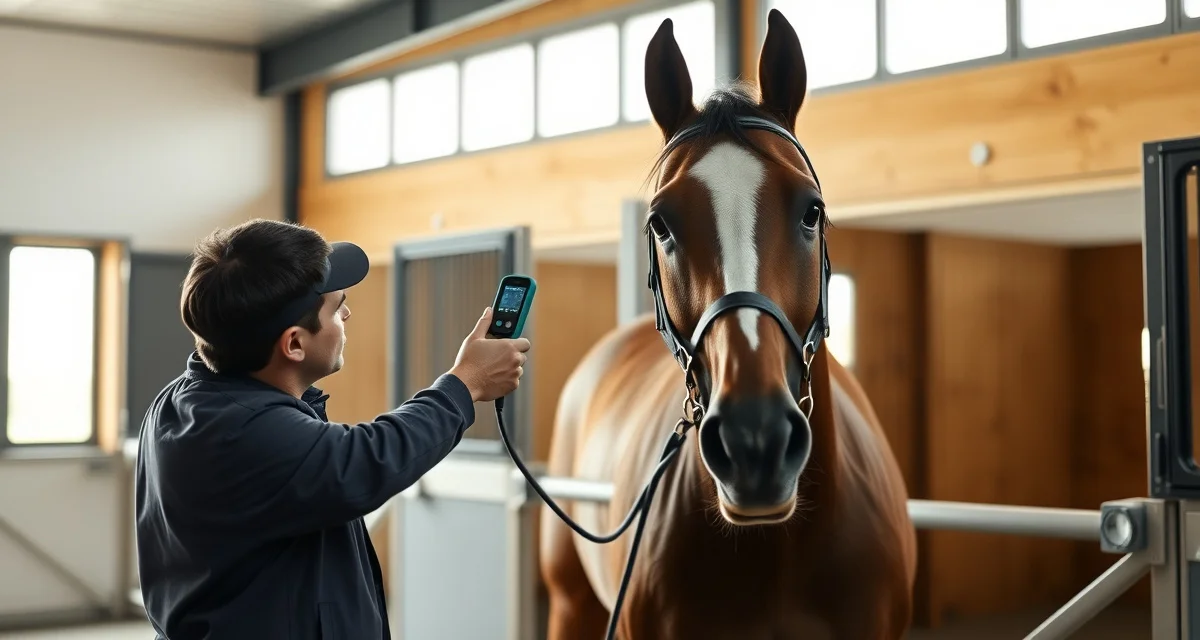
Polo Barn Health Monitoring: Complete Guide for Facility Managers
Polo ponies require 6 to 8 weeks of conditioning between match seasons, and the health monitoring that happens during that conditioning window is as important as what happens during active match play. Polo ponies carry high physical stress during matches and need systematic monitoring throughout the year, not just when they're playing.
TL;DR
- Effective barn management requires systems that match actual daily workflows, not adapted generic tools
- Per-horse record keeping with digital access reduces the response time to owner questions from hours to seconds
- Automated owner communication and health alerts reduce inbound calls while increasing owner satisfaction and retention
- Billing errors cost barns thousands of dollars annually; point-of-service charge logging is the most effective prevention
- Staff accountability systems with named task assignments and completion logs prevent care gaps without micromanagement
- Purpose-built equine software connects health records, billing, and owner communication in one place
This guide covers health monitoring for polo facilities, with specific attention to the post-match monitoring protocol and the conditioning-phase assessments that keep polo ponies sound across long careers.
The Physical Demands of Polo and Their Health Implications
Polo is an intense sport. Ponies sprint, turn sharply, and accelerate and decelerate repeatedly during each chukker. The physical demands create specific health risks:
Lower limb stress. The sharp directional changes and high-speed stops in polo put significant stress on tendons, ligaments, and joints in all four limbs. Front suspensories and fetlocks take the most load. A systematic post-match leg check catches the early filling and heat that precedes more serious injury.
Muscle fatigue and soreness. Ponies that play multiple chukkers in a match accumulate muscular fatigue. Back and hindquarter soreness is common and can be detected during the post-match bodywork assessment. Monitoring muscle recovery between matches is part of ensuring ponies are ready to play again.
Respiratory stress. Match play at high intensity challenges the respiratory system. Ponies traveling to matches may be exposed to other horses and different environmental conditions. Respiratory monitoring, particularly post-travel, catches illness before it spreads through the string.
Weight management. Polo ponies in active match season can lose weight rapidly if their caloric intake isn't matched to their output. Monthly weight tape checks and close attention to appetite during peak season are important.
The Post-Match Health Protocol
Every pony that plays in a match should have a structured post-match assessment before being returned to its stall. This assessment should happen after cool-down and before the pony is left for the night.
Post-match assessment checklist:
- All four lower limbs: heat, filling, any new injury
- Back and hindquarters: palpate for soreness
- Respiratory rate and recovery (should normalize within 30 minutes of match end)
- Hydration status: skin pinch test, mucous membrane color
- Appetite: did the pony eat promptly after cooling out
- Gait: walk the pony out after the assessment for any change in way of going
- Any cuts, abrasions, or impact injuries from contact during the match
Any positive finding in the post-match assessment goes into the pony's health record immediately. Findings that warrant monitoring (minor filling, slight soreness) are logged for comparison at the next check. Findings that warrant veterinary attention get an immediate call.
Daily Health Monitoring During Match Season
In addition to the post-match protocol, daily monitoring during match season should be more attentive than during the conditioning window. Ponies playing regularly accumulate wear, and the cumulative effects can sneak up on you if daily checks are casual.
Morning protocol for match-season ponies:
- Check all four legs before any exercise (compare to previous day)
- Note appetite and water consumption
- Check body condition weekly (visual assessment and monthly weight tape)
- Any behavioral changes noted and logged
Pre-match assessment:
- Full leg check the morning of the match
- Any pony with heat or filling from the previous day gets veterinary clearance before playing
- Confirm all equipment fits correctly and tack is sound
Conditioning Phase Health Monitoring
During the 6 to 8 week conditioning window, health monitoring tracks fitness progression as much as illness or injury. You're watching for:
- Whether the pony is building fitness appropriately (cardiovascular recovery after work)
- Whether training loads are generating tissue stress (filling in training, soreness developing)
- Whether the pony's weight and body condition are appropriate for the conditioning phase
- Any underlying soundness issues that become apparent under increased workload
Monthly veterinary wellness checks during the conditioning window, ideally including a flexion test assessment, catch any soundness concerns before they affect match readiness planning.
String-Level Health Tracking
At a polo facility, health monitoring operates at both the individual pony and the string level. A patron with five ponies in the string needs to know which ponies are fully available, which are on modified work, and which are out. That information directly affects match rotation planning.
Build a string health status summary that's updated after each daily check and each post-match assessment. The patron should be able to see, at any given time, the health status of every pony in their string. This transparency prevents the situation where a patron plans their match rotation based on outdated information.
Veterinary Management at Polo Facilities
Polo facilities have more frequent routine veterinary contact than many equine operations. Pre-season soundness assessments, maintenance joint injections, and post-match veterinary reviews are common at facilities with serious patron programs.
Keep complete treatment records for every pony: who performed the treatment, what product was used, what the recommended withdrawal period is, and when the next treatment is due. Some polo organizations have drug testing protocols, and maintaining accurate treatment records is both a compliance requirement and a competitive protection.
Using Software for Polo Health Monitoring
BarnBeacon's barn management software centralizes health records for every pony in your facility. Post-match assessments, conditioning phase logs, and veterinary treatment records all live in one place. String-level health status summaries let trainers communicate pony availability to patrons through the portal without composing individual messages.
The system's treatment tracking and alert features are particularly useful for polo facilities managing maintenance injection programs across multiple strings.
For a full picture of health management in the context of polo operations, see the polo barn operations guide.
Frequently Asked Questions
How do polo barn managers handle health monitoring?
Polo barn managers build health monitoring around the specific physical demands of the discipline. Polo ponies play multiple chukkers per match and require careful post-play assessment, particularly for lower leg injuries, muscle soreness, and cardiovascular recovery. Consistent daily documentation, combined with rapid owner notification when something changes, is the standard at well-run polo facilities.
What software do polo facilities use for health monitoring?
Most polo facilities need health monitoring tools that go beyond basic vaccination and deworming logs. BarnBeacon supports discipline-specific health tracking, including the joint health monitoring and medication compliance tracking that polo programs require. Facilities using purpose-built software catch health changes faster and maintain more complete records than those relying on paper logs or generic tools.
What are the health monitoring challenges at polo barns?
The primary health monitoring challenges at polo facilities involve tracking the specific physical stressors that the discipline places on horses, managing drug testing compliance for regulated competitions, and keeping owners informed about their horses' condition in real time. USPA drug testing requirements mean that medication records for competing polo ponies must document withdrawal periods accurately A monitoring system that doesn't account for these specifics leaves gaps in both care and documentation.
How does BarnBeacon compare to spreadsheets for barn management?
Spreadsheets require manual updates, lack real-time notifications, and create version control problems when multiple staff members are working from different files. BarnBeacon centralizes records, pushes alerts automatically based on logged events, and connects care records to billing and owner communication in one system. Most facilities report saving several hours per week after switching from spreadsheets.
What is the setup process like for BarnBeacon?
Most facilities complete the initial setup in under a week. Horse profiles, service templates, and billing configurations can be imported from existing records or entered directly. BarnBeacon's US-based support team is available to assist with setup, and most managers are running their first billing cycle through the platform within days of starting.
Can BarnBeacon support a barn with multiple staff members?
Yes. BarnBeacon supports multiple user accounts with role-based access, so barn managers, barn staff, and owners each see the information relevant to their role. Task assignments, completion logs, and communication history are all attached to the barn's account rather than to individual staff phones or email addresses.
What is Polo Barn Health Monitoring: Complete Guide for Facility Managers?
Polo Barn Health Monitoring: Complete Guide for Facility Managers is a comprehensive resource covering systematic health tracking for polo ponies throughout the full year—not just during match play. It addresses post-match monitoring protocols, conditioning-phase assessments, staff accountability, owner communication, and digital record keeping. The guide is designed specifically for polo facility managers who need structured systems to keep high-performance ponies sound across long careers and multiple competitive seasons.
How much does Polo Barn Health Monitoring: Complete Guide for Facility Managers cost?
This guide is free editorial content published on BarnBeacon. The barn management software it references, BarnBeacon, offers subscription-based pricing for facilities. Costs vary based on barn size and feature needs. There is no charge to read the guide itself. Facility managers interested in implementing the digital health monitoring and owner communication tools described should contact BarnBeacon directly for current pricing and plan details.
How does Polo Barn Health Monitoring: Complete Guide for Facility Managers work?
The guide works by walking facility managers through a structured approach to polo pony health oversight. It covers per-horse digital record keeping, automated owner health alerts, point-of-service billing logs, and named staff task assignments. Managers learn to apply post-match monitoring protocols and conditioning-phase assessments systematically, replacing ad hoc workflows with consistent routines that reduce response times, prevent billing errors, and close care gaps across the full seasonal cycle.
What are the benefits of Polo Barn Health Monitoring: Complete Guide for Facility Managers?
Key benefits include faster responses to owner questions through digital record access, reduced inbound calls via automated health alerts, fewer billing errors through point-of-service charge logging, and stronger staff accountability without micromanagement. Owners experience higher satisfaction and retention when communication is proactive. Polo ponies benefit from consistent monitoring that catches issues early, supporting soundness across long competitive careers. Purpose-built software connecting health records, billing, and communication amplifies all of these gains.
Who needs Polo Barn Health Monitoring: Complete Guide for Facility Managers?
This guide is designed for managers and operators of polo facilities—including private barns, polo clubs, and professional training operations—who oversee the care of polo ponies year-round. It is also relevant for barn staff responsible for daily health checks, veterinarians advising on monitoring protocols, and polo pony owners who want to understand best practices when evaluating a facility's management systems and communications.
Sources
- American Association of Equine Practitioners (AAEP)
- United States Equestrian Federation (USEF)
- United States Polo Association (USPA)
- American Horse Council
- UC Davis Center for Equine Health
Get Started with BarnBeacon
Running a polo operation well requires the right tools behind the right protocols. BarnBeacon gives managers the health record tracking, billing automation, and owner communication infrastructure to operate efficiently without adding administrative staff. Start a free trial and see how the platform fits the way your barn already works.