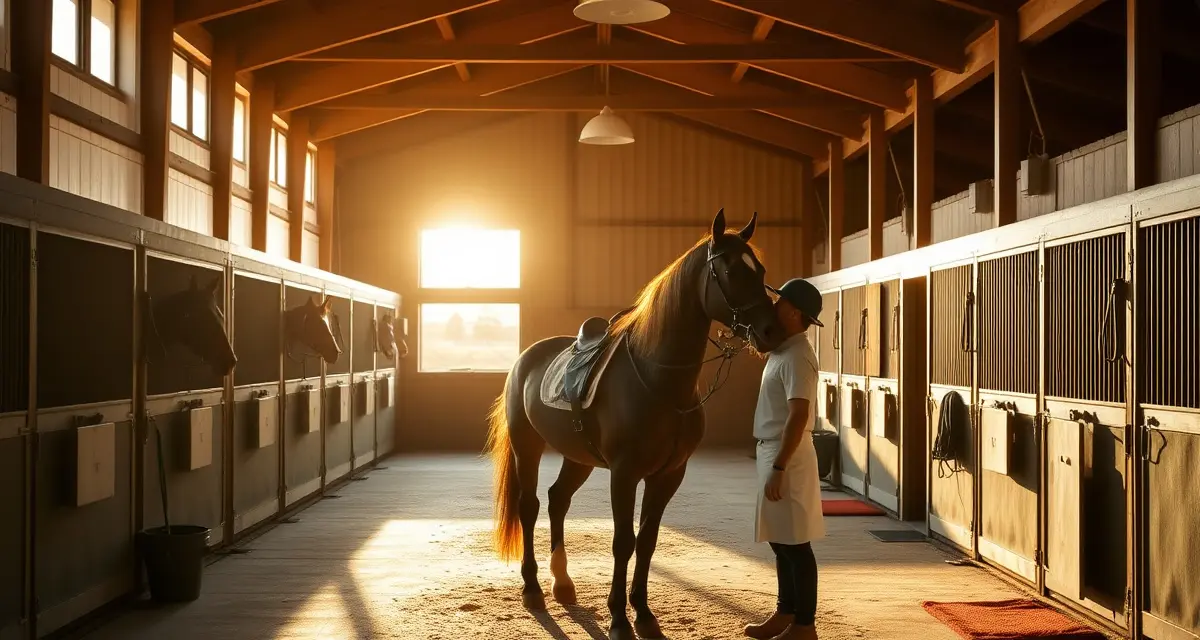
Running a Polo Training and Boarding Facility
Polo operations have management demands that set them apart from most equine facilities. The sport requires a high ratio of horses to players, intense conditioning and work schedules, specialized grooming and tacking requirements, and often a significant staff of grooms and exercise riders. If you're running a polo barn, you're managing a complex athletic operation with demanding clients and little margin for organizational error.
The Polo Horse Roster Challenge
Polo players typically maintain strings of four to eight ponies or more for tournament competition, meaning a barn with ten active players might have sixty to eighty horses in the facility at peak season. Managing the care, conditioning, and health of that many horses requires airtight systems.
Horse identification in a large polo barn can be surprisingly challenging. Many Thoroughbred and Argentine-bred polo ponies share similar bay coloring. Detailed markings notes, photos in each horse's profile, and a consistent naming and location system prevent the kind of mistaken identity that leads to wrong horses being worked or treated.
Conditioning and Work Schedules
Polo ponies have demanding conditioning requirements. They need cardiovascular fitness to handle the sprint and turn demands of play, alongside the musculoskeletal conditioning to hold up through a season. Managing work schedules for a large string, including which horses are in which game string, which are in conditioning work, and which are resting, requires clear record-keeping.
Work logs for each horse, including dates, durations, and exercise types, give you visibility into conditioning progression and help you identify horses that may be working too hard or not enough. When a horse comes up lame or shows signs of fatigue, a detailed work history is essential context for the veterinarian.
During the playing season, the daily work schedule for a full polo barn is intense. Horses need to be exercised, cooled down, bathed, and wrapped, all on a tight timeline around practices and matches. Staff efficiency and clear task assignment are critical. Managers who use a system like BarnBeacon to assign and track daily tasks give their groom staff clear priorities rather than a general directive to "take care of the horses."
Veterinary and Health Management
Polo ponies sustain leg injuries at higher rates than horses in lower-intensity disciplines. Tendon and suspensory injuries, cuts from ball or mallet impact, and joint inflammation from the intense playing demands require vigilant health monitoring and rapid response.
A proactive veterinary relationship is essential. Most serious polo operations have a veterinarian who makes regular scheduled visits and is on call for game days. Maintaining thorough health records for each horse, including veterinary visit notes, treatments given, and status updates, is important for both care quality and communication with horse owners.
Owners of high-value polo strings expect detailed updates on any horse that's being treated or rested from play. A health event that isn't communicated promptly damages trust with clients who may have paid six figures or more for a single horse.
Seasonal Operations
Polo has a seasonal structure that varies by climate region. Warm-climate polo operations in Florida and the Southwest run winter and spring seasons. Northern operations run summer and fall. Barn management in a seasonal polo operation includes managing the high-intensity peak season, the shoulder season transition, and the off-season maintenance period.
Off-season is when preventive care is caught up on, horses in need of rest receive it, and facility maintenance gets done. Off-season is also when staff retention is most at risk, as grooms may find other work during slow periods. Maintaining a stable core staff through the off-season is important for continuity when the season ramps up again.
Player and Owner Relations
Polo barn clients are often deeply involved with their horses, opinionated about training methods, and accustomed to high-end service. Managing the human side of the operation requires clear communication, professional boundaries, and the ability to handle strong personalities with patience.
Clear boarding agreements, transparent billing, and documented care protocols protect you in disputes and give clients confidence that their horses are being managed professionally.
For related reading, see the polo barn operations guide and scheduling task management.
FAQ
What is Running a Polo Training and Boarding Facility?
Running a polo training and boarding facility means operating a specialized equine operation that houses, conditions, and trains polo ponies for competitive players. Unlike general boarding barns, polo facilities manage large horse strings—players often keep four to eight ponies each—alongside structured conditioning programs, professional grooms, exercise riders, and match preparation. The operation blends athletic performance management with hospitality for demanding clients, requiring tight systems for horse identification, scheduling, health tracking, and field maintenance.
How much does Running a Polo Training and Boarding Facility cost?
Costs vary widely by region, facility size, and services offered, but polo boarding typically runs $1,500–$4,000 per horse per month at full-service operations. Owners pay premiums for specialized groom ratios, conditioning work, tacking services, and field access. Facility operators face higher overhead than standard barns due to staffing, acreage, and equipment needs. Revenue per stall is generally stronger than general boarding, but capital investment and operating costs are significantly higher.
How does Running a Polo Training and Boarding Facility work?
The facility manages each player's string of ponies through daily conditioning rides, interval training, and match-day preparation. Horses rotate through work schedules based on fitness level and play frequency. A dedicated groom team handles tacking, wrapping, and cool-down between chukkers. Digital management systems track each horse's conditioning history, veterinary care, and location in the barn. Match schedules drive weekly planning, with horses conditioned to peak fitness around tournament dates.
What are the benefits of Running a Polo Training and Boarding Facility?
A well-run polo facility offers players a seamless competition experience—fit horses, organized strings, and professional groom support let them focus on playing rather than logistics. For operators, the model generates strong revenue per horse compared to recreational boarding. Facilities also build community around the sport, attracting sponsors, spectators, and clinics. Structured conditioning programs improve horse welfare outcomes and reduce injury risk compared to informal management arrangements.
Who needs Running a Polo Training and Boarding Facility?
Serious polo players competing at club or tournament level need professional facility support. Managing a string of six or more horses independently is impractical without staff, acreage, and equipment. Polo clubs, training programs, and high-goal patrons all rely on well-organized boarding facilities to sustain their operations. Facilities serving youth polo programs or adult beginners have slightly lower intensity demands but still require more structure than a typical lesson or trail barn.
How long does Running a Polo Training and Boarding Facility take?
Polo facility operations run year-round but follow seasonal competition calendars. High-goal tournament seasons, which vary by region, drive peak demand and maximum horse counts. Conditioning cycles typically begin six to eight weeks before a player's competitive season. Daily barn operations require consistent year-round staffing. Operators should plan for seasonal revenue fluctuations and staff up appropriately before peak periods rather than reacting after horses arrive.
What should I look for when choosing Running a Polo Training and Boarding Facility?
Look for a facility with a strong groom-to-horse ratio, clear horse identification protocols, and digital health and conditioning records. Field quality and maintenance schedules matter—good footing reduces injury risk and extends horse careers. Assess how the facility handles scheduling across multiple players' strings during competition weeks. Ask about veterinary and farrier relationships, emergency protocols, and how conflicts between players over scheduling or resources are managed.
Is Running a Polo Training and Boarding Facility worth it?
For serious polo players, a professionally run facility is essential—not optional. The complexity of managing multiple horses through a competitive season makes informal arrangements unreliable and risky. For operators, the model is financially viable but demands genuine systems investment. Facilities that cut corners on staffing or record-keeping face costly mistakes: wrong horses worked, missed treatments, or conditioning failures at critical tournament moments. Done well, it's a rewarding and financially strong operation.