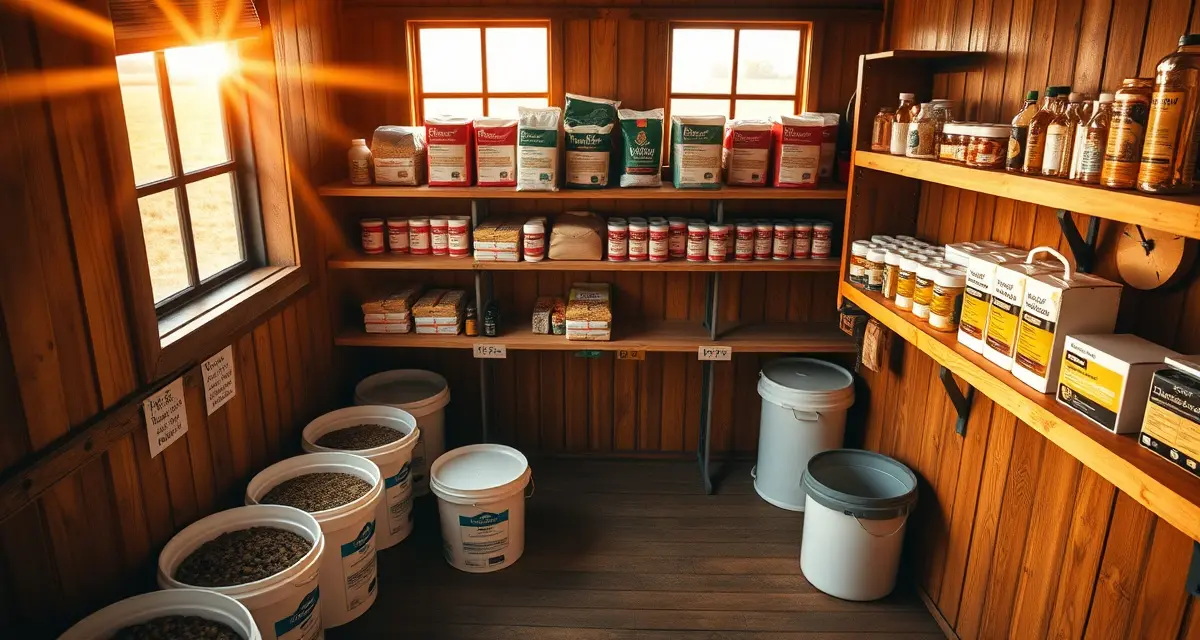
Managing Special Diet Horses in a Boarding Barn
Feed errors are the #2 cause of preventable colic according to AAEP 2023 data. When you're managing 20, 30, or 50 horses with different dietary needs, that statistic stops being abstract and starts feeling like a liability you carry every day.
TL;DR
- Special diet horses require feed cards specific enough that a new staff member can follow them correctly on day one.
- Every diet modification should be documented with the authorizing vet or owner name and the date of change.
- Staff need to understand the clinical reason behind each dietary restriction, not just that one exists.
- A written escalation path for refused meals prevents 'he seemed fine' reports from hiding early health issues.
- Digital diet cards that update in real time eliminate the lag between a vet recommendation and barn staff knowing about it.
Special diet horse management in a boarding barn is one of the hardest operational problems to solve. The horses that need the most precision are often the ones whose owners are most anxious, and the margin for error is the smallest.
Why Special Diets Break Down in Barn Settings
The problem isn't that barn managers don't care. It's that information lives in too many places.
A PPID horse's soaked hay protocol is written on a whiteboard. A metabolic horse's ration balancer is noted in a text thread. A post-surgical horse's feed restriction is in an email the night staff never saw. When staff rotate, when a new groom covers a shift, or when a horse moves stalls, that information gets lost.
The result is inconsistent feeding, missed supplements, and horses getting the wrong ration from a well-meaning person who simply didn't have the right information.
Step 1: Categorize Every Horse With a Medical Diet
Identify the Four Main Diet Categories
Before you can manage special diets, you need to know exactly which horses have them. Start by sorting your current board into four categories:
- Metabolic and EMS horses requiring low-sugar, low-starch forage and strict grazing limits
- PPID (Cushing's) horses on pergolide with dietary restrictions around NSC content
- Post-surgical horses with temporary feed restrictions, often including no grain, limited hay, or hand-grazing only
- Ulcer protocol horses on omeprazole or sucralfate with timed feeding requirements
Each category has different rules, different timing sensitivities, and different consequences for errors. Treating them as one group is where mistakes happen.
Document the Baseline for Each Horse
For every horse with a medical diet, record the following in one place: current diagnosis, veterinarian name and contact, specific feed instructions, supplement schedule, and any restrictions that apply to turnout or grazing. This becomes the source of truth that every staff member references.
Step 2: Build Individual Feed Cards for Every Special Diet Horse
What Goes on a Feed Card
A feed card is not a general barn feeding chart. It is a horse-specific document that travels with that horse's care.
A complete feed card should include the horse's name and stall number, AM and PM ration with exact weights or volumes, supplements with timing and method (top-dressed, mixed in water, given separately), any soaking or preparation instructions, what the horse cannot have under any circumstances, and the date the instructions were last updated.
The "cannot have" line is critical. For a metabolic horse, that might mean no carrots, no apples, no access to the communal treat bucket. For a post-surgical horse, it might mean no grain for 14 days. That restriction needs to be visible, not buried in a file.
Make Feed Cards Accessible to All Staff
A feed card that lives in a binder in the office does not help the 5:30 AM feeding crew. Feed cards need to be where the work happens.
BarnBeacon generates individual feed cards visible to all staff on mobile, and updates in real-time when a vet changes a protocol or an owner adjusts a supplement. When a PPID horse's pergolide dose changes after bloodwork, every person feeding that horse sees the updated card on their next login. Spreadsheets can't push that kind of alert, and systems that require manual updates create a window where old information is still being acted on.
You can also integrate your feeding schedules directly into each horse's card so staff see the full picture in one view.
Step 3: Set Up a Communication Protocol for Diet Changes
Define Who Can Authorize a Change
Feed changes for medical diet horses should not happen informally. Establish a clear rule: diet changes require written authorization from the veterinarian or the barn manager, and they take effect only after the feed card is updated.
This protects you, the horse, and the owner. If a boarder calls and asks you to add a new supplement to their Cushing's horse, the answer is: "I'll add it to the feed card once I have it in writing and confirm it doesn't conflict with the current protocol."
Log Every Change With a Timestamp
Every modification to a special diet horse's feed card should be logged with a date, time, and the name of the person who made the change. This creates an audit trail that matters when a horse has a health event and you need to reconstruct what changed and when.
For horses also on medications, your medication tracking system should sync with the feed card so nothing falls through the gap between a drug protocol and a dietary restriction.
Step 4: Train Staff on Medical Diet Protocols
Run a Short Briefing for Each New Horse
When a horse with a medical diet arrives or is diagnosed, hold a five-minute briefing with all feeding staff. Cover what the condition is, why the diet matters, and what the specific rules are. You don't need to teach equine nutrition theory. You need staff to understand that this horse cannot get the same scoop of sweet feed as the horse next door.
Use Visual Cues at the Stall
Color-coded stall cards or magnetic markers work well as a secondary alert system. A red marker on a stall door signals a medical diet is in place. Staff know to check the feed card before feeding that horse, even if they think they know the routine.
Step 5: Audit Your Special Diet Horses Monthly
Check That Feed Cards Match Current Vet Instructions
Metabolic horse feeding in a boarding environment changes over time. A horse that was on strict hay-only restriction in January may have a modified protocol by spring. A post-surgical restriction that was meant to last 30 days may have been extended.
Schedule a monthly review of every special diet horse's feed card against the most recent veterinary communication. This takes less than an hour for most barns and catches drift before it becomes a problem.
Track Body Condition Alongside Diet
Feed cards should note the horse's body condition score at the time the protocol was set. Reassess monthly. If a metabolic horse is gaining weight on a protocol designed to maintain, the protocol needs to change. If a post-surgical horse is losing condition faster than expected, the vet needs to know.
Common Mistakes to Avoid
Relying on verbal handoffs. Night staff telling morning staff about a feed change is not a system. It's a game of telephone with a horse's health at stake.
Using one barn-wide feeding chart. A chart that lists "hay only" for stall 12 doesn't tell anyone why, what kind of hay, how much, or what happens if the horse is moved to stall 18.
Letting feed cards go stale. An undated feed card is almost as dangerous as no feed card. Staff have no way to know if the instructions are current.
Skipping the "cannot have" line. Omitting restrictions assumes everyone already knows them. They don't.
How do I manage feeding schedules for 30+ horses?
The key is moving from a single barn-wide chart to individual horse records that staff access by stall or horse name. At scale, a digital system that lets you filter by diet type, flag medical horses, and push updates to mobile is far more reliable than paper or static spreadsheets. Grouping horses by diet category for feeding rounds also reduces the chance of cross-contamination between protocols.
What should a horse feed card include?
A complete feed card includes the horse's name and stall number, AM and PM rations with exact measurements, all supplements with timing and administration method, preparation instructions (soaking, mixing), a clear list of prohibited feeds or treats, the name of the authorizing veterinarian, and the date the card was last updated. The date is non-negotiable. Without it, staff can't tell if they're working from current information.
How do I handle owner-requested feed changes across a whole barn?
Establish a written request policy and stick to it. Owner requests go through the barn manager, who reviews them against the current veterinary protocol before updating the feed card. For medical diet horses, any change that affects a prescribed protocol should be confirmed with the vet before implementation. A log of all changes, with timestamps and authorization, protects everyone if a health issue arises later.
Managing special diet horses in a boarding barn is a systems problem as much as a horsemanship problem. The barns that do it well have clear documentation, real-time information access for all staff, and a defined process for changes. The barns that struggle are usually relying on memory, whiteboards, and hope. Build the system first, and the feeding gets easier.
How do I communicate a horse's special diet requirements to new or substitute staff?
The horse's digital feed card should be specific enough that a new staff member can follow it correctly without asking questions. Beyond the card itself, a brief orientation for new staff covering the clinical reason behind key restrictions -- not just the rules -- improves compliance. A staff member who understands why a horse cannot have pasture access until 10 AM because of EMS is far less likely to skip that step than one who only knows it is on the list.
How do I handle a special diet horse boarded by an owner who frequently requests changes?
Establish a written-only change request policy and set a minimum processing time of 24 hours for any diet modification. Require that changes from owners of horses with active medical diagnoses include vet authorization or a written owner acknowledgment. This protects the barn from liability and creates a documentation trail if the horse's condition changes following a modification.
Related Articles
FAQ
What is Managing Special Diet Horses in a Boarding Barn?
Managing special diet horses in a boarding barn refers to the systems, protocols, and daily practices barn managers use to accurately feed horses with unique nutritional requirements—such as metabolic conditions, PPID, ulcers, or post-surgical restrictions. It covers everything from creating clear feed cards and staff training to documenting vet-authorized changes and building escalation paths when a horse refuses meals. The goal is reducing feed errors, which are a leading cause of preventable colic.
How much does Managing Special Diet Horses in a Boarding Barn cost?
There is no single cost for managing special diet horses—expenses vary by barn size, software tools, and staffing. Some barns charge a special diet surcharge of $25–$75/month per horse to cover extra labor. Investing in digital feed management software typically runs $50–$200/month for a full barn. The real cost calculus is weighed against colic liability, vet bills, and owner turnover from feed errors—making prevention far cheaper than the alternative.
How does Managing Special Diet Horses in a Boarding Barn work?
Effective special diet management works by centralizing feed information into clear, up-to-date feed cards that any staff member can follow correctly on day one. Each horse's protocol is documented with the authorizing vet or owner name and change date. Staff are trained on the clinical reason behind each restriction, not just the rule. A written escalation process ensures refused meals are flagged immediately rather than dismissed, and digital tools keep protocols current in real time.
What are the benefits of Managing Special Diet Horses in a Boarding Barn?
Proper special diet management reduces the risk of feed-related colic, builds owner trust, and protects the barn from liability. Staff confidence increases when protocols are clear and clinically explained. Owners of high-need horses—often the most anxious clients—gain peace of mind from visible systems. Barns with documented processes also experience fewer miscommunications during staff transitions or busy feeding times, resulting in better health outcomes and stronger client retention.
Who needs Managing Special Diet Horses in a Boarding Barn?
Any boarding barn housing horses with metabolic syndrome, PPID, insulin dysregulation, gastric ulcers, dental issues, allergies, or post-surgical dietary needs requires structured special diet management. The more horses under one roof, the greater the operational complexity. Even smaller barns with just a few special-needs horses benefit from clear feed cards and documentation protocols—because a single feed error in a high-risk horse can result in a colic emergency or worse.
How long does Managing Special Diet Horses in a Boarding Barn take?
Setting up effective special diet management is not a one-time task—it requires ongoing maintenance. Initial protocol design and staff training may take one to two weeks. However, the real time investment is daily: updating feed cards when protocols change, monitoring meal consumption, and communicating with vets and owners promptly. Barns using digital management tools reduce daily friction significantly, while paper-based systems require more manual oversight to stay accurate and current.
What should I look for when choosing Managing Special Diet Horses in a Boarding Barn?
When evaluating a boarding barn's special diet management, look for individualized written feed cards that are specific enough for any staff member to follow accurately. Ask how diet changes are documented and how quickly updates reach feeding staff. Find out whether employees understand the clinical reasoning behind restrictions, not just the rules. A clear escalation process for refused meals is essential. Barns using real-time digital feed cards typically offer more reliable execution than those relying on whiteboards or text threads.
Is Managing Special Diet Horses in a Boarding Barn worth it?
Yes—for any horse with a health condition affected by diet, rigorous management is not optional. Feed errors are the second leading cause of preventable colic according to AAEP 2023 data, making the stakes concrete. Boarding barns that invest in clear protocols, trained staff, and documented authorization processes protect horse health, reduce liability, and retain the owners who are hardest to keep. The systems pay for themselves many times over when a single colic episode can cost thousands in emergency care.
Sources
- American Association of Equine Practitioners (AAEP)
- Kentucky Equine Research
- University of Minnesota Extension Equine Program
- Equine Sciences Academy
- The Horse magazine
Get Started with BarnBeacon
Special diet horses require feed protocols that every staff member can follow correctly on any shift, without asking questions or making assumptions. BarnBeacon generates individual feed cards for each horse with real-time updates, so when a vet changes a protocol on a Tuesday, every feeder sees the updated instructions on Wednesday morning. If your barn is managing horses with metabolic conditions, dental issues, or medically directed diets, BarnBeacon gives your team the tools to deliver that care accurately every day.