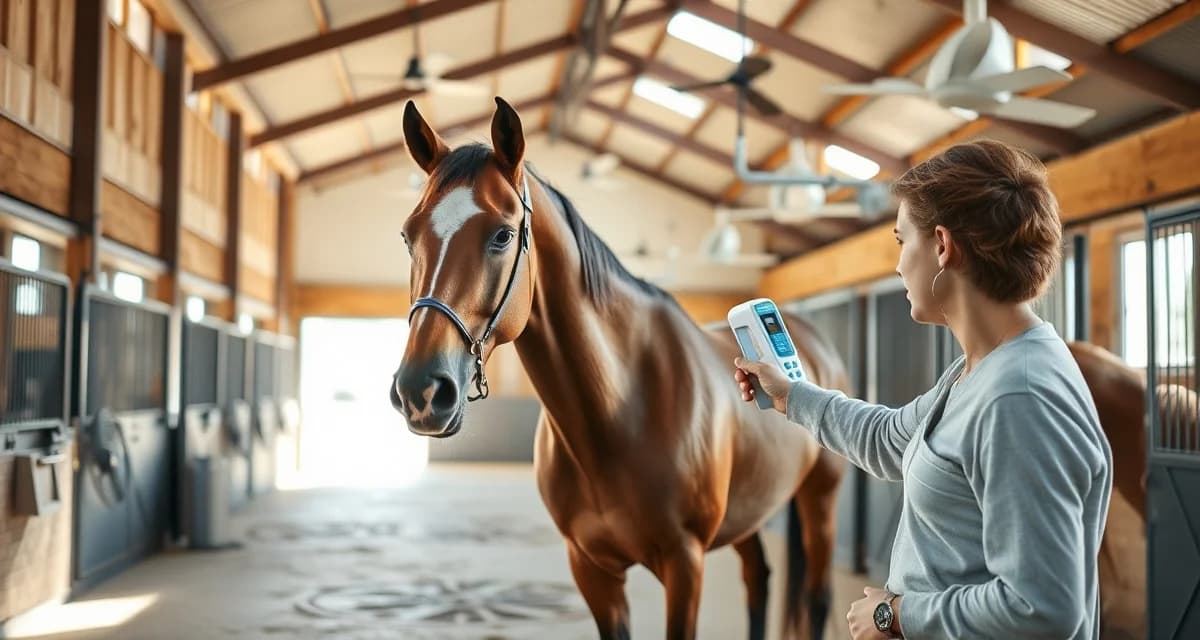
Managing Horses During Heat Stress Events
Heat stress in horses is serious and can become life-threatening faster than many barn managers expect. A horse that is mildly overheated at 2 PM can be in dangerous distress by the time evening feed rolls around if the situation is not actively managed. Understanding the risk factors, recognizing the signs, and having clear protocols in place before temperatures rise is essential.
Understanding the Risk
Horses are large animals that generate substantial body heat through normal metabolism, and significantly more during exercise. They cool themselves primarily through sweating and respiration. When ambient temperature is high, humidity is high, or both, evaporative cooling becomes less efficient and core temperature can rise faster than the body can manage.
The Temperature-Humidity Index (THI) is the standard tool for evaluating combined heat-humidity risk. When the sum of temperature in Fahrenheit and relative humidity exceeds 130, horses should not be worked. When it exceeds 150, even resting horses are at risk without active cooling support.
Risk factors that make individual horses more vulnerable:
- Heavy or double coats, particularly horses that have not fully shed
- Obesity
- History of anhidrosis (inability to sweat)
- Metabolic conditions including Cushing's or EMS
- Poor conditioning
- Dark coat colors
- Limited access to shade or water
Signs of Heat Stress
Know what heat stress looks like before you are standing in front of an affected horse.
Early signs:
- Increased respiration rate (above 20 breaths per minute at rest)
- Elevated heart rate (above 60 beats per minute at rest, hours after exercise)
- Heavy sweating without exercise
- Seeking shade aggressively
- Decreased appetite
Moderate signs:
- Rectal temperature above 103 degrees Fahrenheit
- Muscle weakness or reluctance to move
- Decreased gut sounds
- Dark, concentrated urine
- Obvious lethargy
Severe signs:
- Temperature above 104.5 degrees
- Muscle cramping
- Stumbling or coordination problems
- Shallow, rapid breathing without improvement
- Collapse
Call your vet immediately at moderate to severe signs. Do not wait to see if it resolves on its own.
Emergency Cooling Protocols
If a horse is showing signs of heat stress, begin cooling immediately while reaching your vet.
Move the horse to shade if possible. Apply cold water continuously to the large blood vessel areas: neck, chest, inside the legs, and hindquarters. Use a scraper to remove water that has warmed against the horse's skin and reapply cold water immediately. This is more effective than leaving warm water in place.
Ice water is appropriate and effective for seriously overheated horses, despite older advice to the contrary. Current veterinary guidance supports aggressive cold water application.
Provide drinking water if the horse is alert and interested. Do not force water.
Continue cooling until temperature drops below 103 degrees and the horse's breathing and heart rate begin to normalize. Monitor closely after the acute episode because secondary complications including tying-up and colic can develop.
Preventive Management in Hot Weather
Most heat stress events are preventable with appropriate management adjustments.
Adjust work schedules. Exercise horses in the early morning or evening when temperatures are lowest. Avoid any significant work during peak afternoon heat.
Maximize water access. Horses drink substantially more in heat. Ensure water sources are clean, cool, and always full. Some horses drink more from buckets than troughs and vice versa. Know each horse's preference and accommodate it.
Provide electrolytes. Horses lose significant electrolytes through sweat. Provide free-choice loose salt at minimum, and consider electrolyte supplementation in the feed or water for horses working or sweating heavily.
Optimize ventilation. Keep barn aisles open, use fans, and avoid closing the barn during daylight hours in hot weather. Heat builds quickly in a closed barn.
Provide adequate shade in paddocks and pastures. Horses without shade have no effective option for managing radiant heat from the sun.
Monitoring Documentation
Log any heat stress event immediately with the horse's temperature, heart rate, and the cooling steps taken. Include the time of day, ambient temperature, and what the horse was doing when the stress was first observed.
BarnBeacon makes it easy to log heat stress events from the field while you are still with the horse, so the record is accurate and timestamped even during an emergency situation. Connect these entries to each horse's health monitoring record so the full picture of that animal's heat tolerance is available for future seasons.
FAQ
What is Managing Horses During Heat Stress Events?
Managing horses during heat stress events refers to the proactive steps barn managers take to protect horses when high temperatures and humidity create dangerous conditions. It includes monitoring the Temperature-Humidity Index (THI), adjusting workloads, providing shade and ventilation, ensuring adequate hydration, and applying cooling techniques. When THI exceeds 130, horses should not be worked. When it exceeds 150, even resting horses require active cooling support to prevent life-threatening heat stroke.
How much does Managing Horses During Heat Stress Events cost?
There is no fixed cost — expenses vary based on your barn setup and the interventions needed. Basic measures like adjusting turnout schedules and increasing water access cost little. Upgrades such as barn fans, misters, electrolyte supplements, and veterinary care add up. A modest seasonal budget for fans, electrolytes, and cooling supplies is a worthwhile investment compared to the cost of emergency veterinary treatment for a horse in serious heat distress.
How does Managing Horses During Heat Stress Events work?
Heat stress management works by reducing heat load and supporting the horse's natural cooling mechanisms. Horses cool primarily through sweating and respiration, both of which become less effective in high humidity. Management protocols counter this by limiting exercise during peak heat, providing shade and airflow, offering continuous fresh water, applying cool water to large blood vessels, and using electrolytes to replace minerals lost through sweat. Early intervention prevents mild overheating from escalating.
What are the benefits of Managing Horses During Heat Stress Events?
Proactive heat stress management protects horse health, prevents emergency situations, and supports better performance and recovery. Horses that are well-managed during hot weather maintain stable core temperatures, stay hydrated, and recover faster after work. Barn managers benefit from having clear protocols that reduce reactive decision-making during a crisis. Long-term, consistent heat management reduces the risk of chronic issues linked to repeated heat exposure, including poor conditioning and metabolic strain.
Who needs Managing Horses During Heat Stress Events?
Every horse owner and barn manager dealing with warm or humid climates needs heat stress protocols. Horses with risk factors require especially close attention — these include horses with heavy coats, obesity, anhidrosis, Cushing's disease, EMS, or poor conditioning. Dark-colored horses and those new to heat also face elevated risk. Even fit horses in regular work are vulnerable when THI is high, making these protocols relevant across most of the United States from late spring through early fall.
How long does Managing Horses During Heat Stress Events take?
Active heat stress management is an ongoing seasonal commitment, not a one-time task. Daily monitoring of temperature and humidity is needed throughout summer. Individual cooling interventions — hosing down a horse, moving them to shade, adjusting a ride — take minutes to an hour. Developing and implementing your full protocol before hot weather arrives takes a few hours of planning. If a horse shows signs of serious heat distress, recovery under veterinary supervision can take hours to days.
What should I look for when choosing Managing Horses During Heat Stress Events?
Look for protocols grounded in the Temperature-Humidity Index rather than temperature alone, since humidity is a major factor in heat danger. Prioritize approaches that include early warning signs, clear thresholds for when to stop work, and specific cooling steps. The best management plans are written down, shared with all barn staff, and practiced before a heat emergency occurs. Guidance from an equine veterinarian familiar with your region and your specific horses adds critical value.
Is Managing Horses During Heat Stress Events worth it?
Yes — managing horses during heat stress events is absolutely worth it. A horse in serious heat distress can deteriorate within hours, and veterinary emergencies are expensive, stressful, and sometimes fatal. The interventions involved are largely low-cost and low-effort when built into a daily routine. Barn managers who develop clear protocols report greater confidence, faster response times, and fewer emergencies. The investment in planning and basic supplies is minimal compared to the cost of losing or seriously injuring a horse.