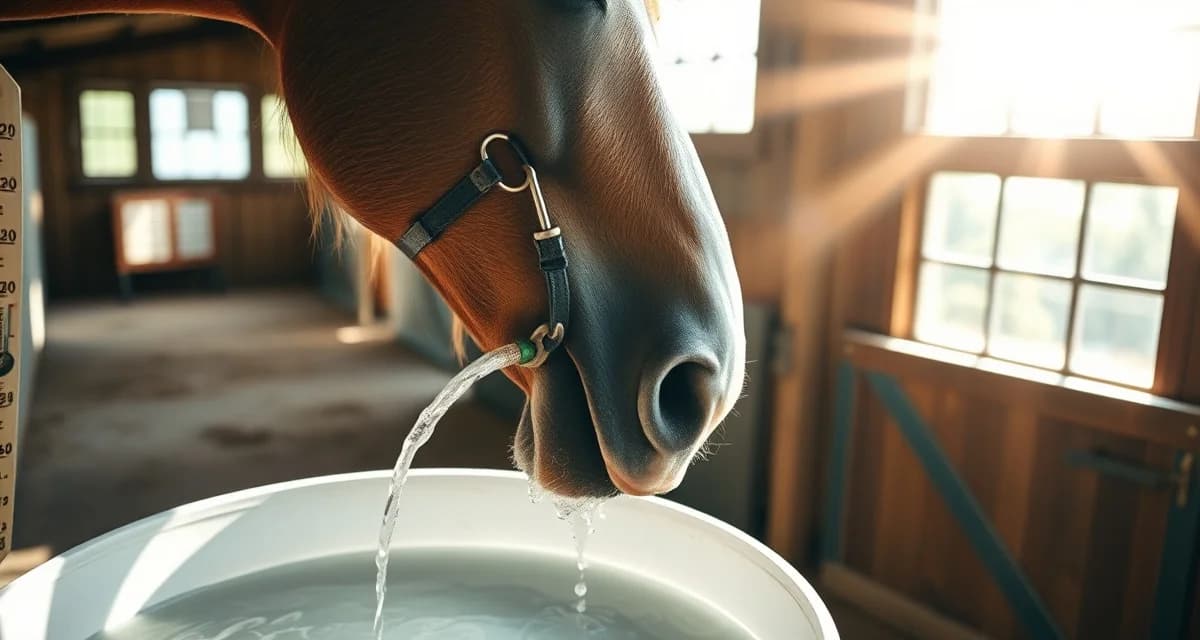
Electrolyte Management for Horse Barns in Summer
Feed errors are the #2 cause of preventable colic according to AAEP 2023 data, and electrolyte mismanagement sits squarely in that category. When temperatures climb and horses sweat through multiple sessions a day, getting electrolyte supplementation wrong is not a minor inconvenience. It is a health risk.
TL;DR
- Effective electrolyte management horse barn at equine facilities relies on consistent written protocols accessible to all staff.
- Digital records reduce errors and create the documentation needed during emergencies, audits, and client disputes.
- Owner visibility into their horse's daily care reduces communication friction and improves retention.
- Centralizing billing, health records, and scheduling in one platform outperforms managing separate tools.
- Staff adoption of digital tools improves when interfaces are mobile-friendly and task-based.
- BarnBeacon supports all core barn management functions from a single platform built for equine facilities.
This guide walks through a practical, step-by-step approach to electrolyte management horse barn operations can actually execute, whether you are running 10 horses or 50.
Why Summer Electrolyte Management Fails in Most Barns
The problem is rarely knowledge. Most barn managers know horses need sodium, potassium, chloride, and magnesium replaced after heavy sweating. The breakdown happens at the execution level.
Staff change. Horses move between paddocks. Owners call with new instructions. Without a system that keeps every team member on the same page in real time, protocols drift. One groom gives a double dose because they did not know the morning shift already supplemented. Another skips it entirely because the feed card was not updated after a vet visit.
BarnBeacon addresses this directly by generating individual feed cards visible to all staff on mobile, updating in real time when any change is made. Spreadsheets and whiteboards cannot alert staff when a protocol has changed mid-day. That gap is where errors happen.
Step 1: Assess Each Horse's Sweat Loss Individually
Calculate Baseline Sweat Rate
A horse can lose 10 to 15 liters of sweat per hour during intense exercise in hot conditions. That sweat contains roughly 3.5g of sodium, 1.2g of potassium, and 5.5g of chloride per liter. A horse working hard for 90 minutes in 90°F heat may need 15 to 20g of sodium replaced before the next session.
Do not use a barn-wide protocol. A trail horse doing light hacking has completely different needs than a competition horse doing two-a-day training sessions. Build individual profiles.
Track the Signs of Electrolyte Deficit
Watch for delayed capillary refill (over 2 seconds), skin tenting, reduced gut sounds, and dark urine. A horse that stops drinking despite heat is often already in deficit. Pinch test the skin on the neck: if it takes more than 2 seconds to flatten, dehydration is present.
Log these observations per horse, per day. Patterns across a week will tell you more than a single reading.
Step 2: Build Individual Electrolyte Protocols
Match Supplement Type to Workload
Paste electrolytes work well for horses that resist drinking supplemented water. Powder mixed into feed suits horses with consistent appetites. Water-soluble formulas are fastest acting but require you to confirm the horse actually drank.
For horses in heavy work, a split-dose approach works better than a single large dose. Give half the daily electrolyte allowance two hours before exercise and the remainder within an hour post-work. This keeps blood sodium levels more stable than a single large hit.
Document Every Protocol in Writing
Each horse's electrolyte plan should include the product name, dose in grams, timing, delivery method, and any contraindications from the vet. This is not optional paperwork. It is the document your staff will reference at 6am when you are not there.
Your feeding schedules system should carry this information alongside grain and hay rations, not in a separate binder that gets left in the tack room.
Step 3: Set Up Water Intake Monitoring
Establish a Daily Baseline Per Horse
The average horse at rest drinks 5 to 10 gallons of water per day. In summer heat with moderate work, that number rises to 15 to 20 gallons. A horse that drops below baseline is a horse that needs attention before clinical signs appear.
Assign one staff member per barn aisle to check and record water bucket levels at the same time each day. Automatic waterers make this harder, but not impossible. Flow meters on automatic systems give you the data you need.
Flag Refusals Immediately
Some horses refuse water that has been supplemented with electrolytes. If you are adding electrolytes to water, always provide a second bucket of plain water alongside it. Never force the choice. A horse that refuses supplemented water and has no alternative will simply not drink.
Log refusals in the same system where you track feed. When a horse refuses water three days in a row, that is a pattern that needs a vet conversation, not just a note on a whiteboard.
Step 4: Monitor for Heat Stress Daily
Use a Heat Index Threshold System
The combined temperature-humidity index (THI) is a more reliable trigger than temperature alone. When the THI exceeds 150 (roughly 85°F at 50% humidity), horses need active cooling and electrolyte support even without exercise. Above 180, cancel strenuous work entirely.
Post the day's THI in the barn each morning. Make it part of the daily briefing so every staff member knows the risk level before they start work.
Build a Heat Stress Response Protocol
If a horse shows signs of heat stress, including rectal temperature above 104°F, rapid breathing over 40 breaths per minute, or excessive sweating that stops suddenly, act immediately. Move to shade, apply cool water to the neck, chest, and legs, and call your vet.
Electrolytes should not be the first intervention in an acute heat stress event. Cooling comes first. Electrolyte replacement follows once the horse is stable and drinking voluntarily.
Step 5: Communicate Changes Across the Whole Team
Update Protocols in Real Time
Owner calls at noon and wants to add a magnesium supplement. The vet visits at 2pm and adjusts the sodium dose. By evening feed, three different staff members may be working from three different versions of the protocol if your system relies on manual updates.
Equine electrolyte supplementation barn management only works when every person touching that horse sees the same current information. This is where paper-based and spreadsheet systems consistently fail. They require someone to remember to update them, and in a busy barn, that step gets skipped.
Pair your electrolyte tracking with your medication tracking system so that vet-ordered changes flow directly into the feed card without a separate manual entry step.
Run a Daily Feed Card Check
Before morning feed and before evening feed, a designated staff member should verify that each horse's feed card matches the current protocol. This takes less than 10 minutes in a well-organized system and catches the errors that cause colic before they happen.
Common Mistakes to Avoid
Dosing by bodyweight estimates without weighing. A horse that looks like 1,100 pounds may be 950 or 1,250. Electrolyte doses scaled to estimated weight can be significantly off. Use a weight tape at minimum, a scale if available.
Supplementing without confirming water intake. Electrolytes increase the body's demand for water. If a horse is not drinking adequately, adding electrolytes without addressing the water deficit makes the situation worse, not better.
Using the same protocol year-round. A horse's electrolyte needs in July are not the same as in November. Review and adjust protocols at the start of each season, not just when a problem appears.
Treating electrolyte management as a single-person job. When one person holds all the protocol knowledge in their head, the system fails every time that person is off. Build the protocol into your barn management system so it is accessible to everyone.
Related Articles
- Summer [turnout management for Horse Barns: Heat and Flies](/summer-turnout-management-barn)
- Best Barn Management App for Boarding Barns
FAQ
How do I manage feeding schedules for 30+ horses?
The only way to manage feeding schedules reliably at that scale is with a system that stores each horse's protocol individually and makes it visible to every staff member. Printed sheets and shared spreadsheets break down because they require manual updates and do not notify staff when something changes. A barn management platform that generates individual feed cards and updates them in real time removes the single point of failure.
What should a horse feed card include?
A complete feed card should list the horse's name, stall location, grain type and amount, hay type and amount, all supplements with exact doses and timing, any medications, water requirements, and any vet or owner notes. For summer management specifically, it should also include the current electrolyte protocol and any known refusals or sensitivities. The card should be dated so staff can confirm they are looking at the current version.
How do I handle owner-requested feed changes across a whole barn?
Owner-requested changes need a single intake point and an immediate update to the horse's feed card. The breakdown happens when changes are communicated verbally or by text to one staff member who then forgets to update the written record. Build a process where any change, regardless of source, goes through one system that automatically updates what every staff member sees. Log who requested the change and when, so there is a clear record if questions arise later.
What is the most common mistake barn managers make with record-keeping?
The most common record-keeping mistake is logging health events, billing items, and care tasks after the fact from memory rather than at the time they occur. Delayed logging introduces errors, omissions, and disputes that are difficult to resolve because the original record does not exist. Moving to real-time digital logging, from any device, is the single most impactful record-keeping improvement available to most facilities.
How does barn management software save time at a multi-horse facility?
The largest time savings come from eliminating manual tasks that recur at high frequency: sending owner updates, generating monthly invoices, tracking care task completion across shifts, and scheduling recurring appointments. At a facility with 25 or more horses, these tasks can consume several hours per day when done manually. Automating the routine layer returns that time without reducing quality of communication or care.
What is Electrolyte Management for Horse Barns in Summer?
Electrolyte management for horse barns in summer refers to the structured process of monitoring, supplementing, and recording horses' electrolyte intake during hot months when sweat loss increases significantly. Horses lose sodium, potassium, chloride, and magnesium through sweat, and failing to replenish these minerals can lead to dehydration, muscle dysfunction, and preventable colic. Effective management includes written protocols, consistent staff execution, and digital recordkeeping to ensure every horse receives the right supplementation at the right time.
How much does Electrolyte Management for Horse Barns in Summer cost?
Electrolyte supplements themselves are relatively low-cost, typically ranging from $15 to $60 per product depending on formulation and quantity. However, the real cost of poor electrolyte management comes from veterinary bills, colic episodes, and horse health complications that arise from inconsistent care. Barn management platforms like BarnBeacon that centralize health records, feeding logs, and staff tasks can reduce costly errors and improve efficiency across facilities of any size.
How does Electrolyte Management for Horse Barns in Summer work?
Effective electrolyte management works by establishing consistent, written feeding protocols that staff follow during summer months. When a horse sweats heavily through training or heat exposure, barn staff administer measured electrolyte supplements according to the horse's weight, workload, and individual needs. Digital barn management tools allow managers to log each dose, track hydration and health notes, and give horse owners visibility into daily care — reducing miscommunication and ensuring nothing gets missed during high-volume summer schedules.
Sources
- American Horse Council, equine industry economic impact and facility operations research
- American Association of Equine Practitioners (AAEP), equine health care and management guidelines
- University of Kentucky Equine Initiative, equine business management and industry resources
- Rutgers Equine Science Center, equine management research and extension publications
- The Horse magazine, published by Equine Network, equine facility management reporting
Get Started with BarnBeacon
BarnBeacon brings billing, health records, owner communication, and daily operations into one platform built for equine facilities, so the time you spend on administration goes back to the horses. Start a free 30-day trial with full access to every feature, or schedule a demo to see how it handles your specific facility type.