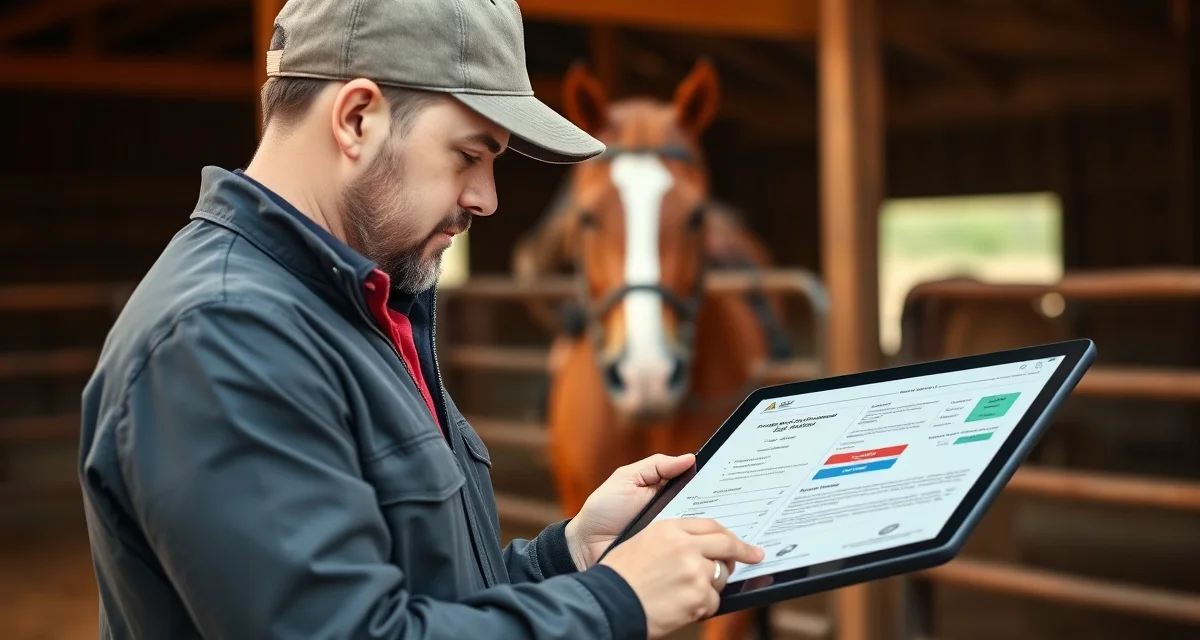
Mounted Patrol Barn Owner Communication: Progress and Updates
Most barn management software treats all disciplines the same. That's a problem when you're running a mounted patrol program, where owners want to know about crowd behavior exposure, equipment checks, and incident response readiness, not just feeding schedules and farrier visits.
TL;DR
- Mounted Patrol clients need training progress updates that use concrete, objective markers rather than general impressions.
- Each horse entering a mounted patrol training program should have a documented program goal and rough timeline at intake.
- Monthly progress reviews comparing current status against the original program plan demonstrate value to clients and protect the trainer.
- Progress documentation with timestamps creates a record that supports the trainer if a client disputes whether advancement occurred.
- Video and photo updates tied to specific milestones give mounted patrol owners visibility that written reports alone cannot provide.
Mounted patrol disciplines have unique owner communication patterns not covered by generic barn software, and that gap creates real friction between barn managers and the horse owners paying board and training fees. This guide walks through a practical system for keeping mounted patrol owners informed, from daily updates to formal progress reports.
Why Mounted Patrol Communication Is Different
Mounted patrol horses work in high-stress, unpredictable environments. Owners know this. They want updates that reflect the specific demands of the discipline, not a generic "horse looked good today" message.
A mounted patrol owner's concerns typically include:
- How the horse is responding to desensitization training
- Equipment condition and fit (especially tack used in patrol work)
- Behavioral notes from public-facing deployments
- Veterinary and soundness status given the physical demands of the job
Generic barn apps don't have fields for any of this. That means managers end up cobbling together texts, emails, and spreadsheets, which is slow, inconsistent, and easy to lose.
Step 1: Define What Mounted Patrol Owners Actually Need to Know
Separate Routine Updates from Training Milestones
Daily care updates (feed, water, turnout) matter, but they're table stakes. Mounted patrol owners also need milestone tracking: when did the horse first complete a crowd simulation? How did it respond to sirens at 50 feet versus 20 feet?
Build two communication tracks: one for routine daily status, one for training progress. Mixing them creates noise and buries the information owners care most about.
Create a Discipline-Specific Update Template
Before you pick any software, write out what a complete mounted patrol update looks like. A solid template includes:
- Date and handler name
- Training activity completed (e.g., traffic desensitization, crowd work, night patrol simulation)
- Horse's behavioral response (calm, reactive, improving, regressed)
- Equipment notes
- Any health or soundness observations
- Next scheduled training activity
This template becomes the backbone of every owner communication you send.
Step 2: Choose a Communication Channel That Fits the Workflow
Why Email and Text Fall Short
Email threads get buried. Text messages lack structure. Neither gives you a searchable record of a horse's training history, which matters when an owner asks "how has Ranger progressed over the last 90 days?"
You need a system that stores updates against individual horses, not just in a general inbox.
Use an Owner Portal Built for Barn Operations
An owner communication portal solves the core problem: it ties every update to a specific horse's profile, creates a running log, and gives owners access on their own schedule without requiring you to respond to individual messages.
BarnBeacon's owner portal is built to adapt to discipline-specific workflows, including mounted patrol reporting needs. You can configure custom fields for patrol-specific data points, so your updates reflect what actually happens in this discipline rather than forcing patrol work into a generic "training notes" box.
Step 3: Set a Communication Cadence and Stick to It
Weekly Progress Reports
For mounted patrol horses in active training, weekly written updates are the minimum. These should cover the training activities completed, any notable behavioral changes, and upcoming work planned.
Owners who don't hear from you weekly start calling. Consistent updates reduce inbound inquiries by a significant margin and build trust faster than any other single practice.
Real-Time Alerts for Incidents
Mounted patrol work carries inherent risk. If a horse is involved in an incident during a deployment, the owner needs to know immediately, not in the next weekly report.
Set up a protocol for real-time alerts that covers: what triggers an immediate notification, who sends it, and what information it must include. This is non-negotiable for maintaining owner trust in a high-stakes discipline.
Monthly Summary Reports
Once a month, send a structured summary that covers the horse's overall training trajectory, any health or soundness developments, and goals for the coming month. This gives owners a bigger-picture view and creates a paper trail that's useful if questions arise later.
Step 4: Document Training Progress in a Format Owners Can Follow
Use Plain Language, Not Jargon
Mounted patrol trainers use specific terminology that owners may not know. "The horse completed a Level 2 desensitization protocol" means nothing to an owner who isn't a trainer.
Translate progress into plain language: "Ranger stayed calm when we introduced motorcycle noise at close range for the first time. This is a significant step toward patrol readiness."
Include Objective Metrics Where Possible
Subjective notes ("horse seemed calmer") are less useful than objective ones ("horse maintained a relaxed posture and steady heart rate during a 10-minute crowd simulation, compared to elevated stress responses in the first two sessions").
You don't need a lab to do this. Behavioral checklists, response ratings on a 1-5 scale, and simple before/after comparisons all give owners something concrete to evaluate.
Attach Media When It Adds Value
A 30-second video clip of a horse calmly standing through a siren test communicates more than three paragraphs of text. Short videos and photos, attached directly to the update in your owner portal, make progress tangible.
Step 5: Handle Difficult Updates Professionally
When Progress Stalls or Reverses
Not every horse is suited for mounted patrol work. If a horse is struggling, the owner needs to hear that clearly and early, not after months of vague updates.
Frame setbacks honestly: "Ranger has shown consistent stress responses during crowd simulations over the past three weeks. We want to discuss whether adjusting the training approach or timeline makes sense." This is a conversation, not a failure announcement.
When Health Issues Arise
For mounted patrol barn operations, soundness is directly tied to a horse's ability to work. Any health issue that affects patrol readiness should be communicated the same day it's identified, with a clear note on what it means for the horse's schedule.
Common Mistakes to Avoid
Sending updates on an inconsistent schedule. Owners fill the silence with worry. If you miss a week, send a brief note explaining why.
Using the same template for all disciplines. A mounted patrol update and a dressage update should look completely different. Generic templates signal that you're not paying attention to what matters in this discipline.
Burying bad news in long updates. If there's a problem, lead with it. Owners who have to read four paragraphs before finding out their horse had an incident will not trust you.
Failing to document verbal conversations. If you discuss a horse's progress by phone, follow up with a written summary in the owner portal. Verbal-only communication creates gaps in the record.
FAQ
How do I communicate with mounted patrol horse owners?
Use a structured system that separates routine daily updates from training milestone reports. Set a consistent weekly cadence for progress updates, use real-time alerts for incidents, and store all communication in an owner portal tied to each horse's profile. Discipline-specific templates that cover patrol-relevant data points (desensitization progress, deployment behavior, equipment notes) will make your updates far more useful than generic barn software allows.
What do mounted patrol owners want to know about their horses?
Mounted patrol owners prioritize training progress in discipline-specific scenarios: crowd work, traffic desensitization, night operations, and equipment response. They also want clear soundness updates given the physical demands of patrol work, immediate notification of any incidents during deployments, and honest assessments of whether their horse is progressing toward patrol readiness. Routine care updates matter, but they're secondary to these discipline-specific concerns.
What owner portal features matter for mounted patrol barns?
Look for a portal that supports custom fields so you can capture patrol-specific data rather than forcing it into generic categories. You need per-horse update logs with searchable history, media attachment capability for video and photo documentation, and configurable alert settings for incident notifications. BarnBeacon's owner portal is built to adapt to mounted patrol barn workflows, including the reporting structures this discipline requires, something most general barn management tools don't offer.
How often should training progress updates be sent to mounted patrol clients?
A consistent weekly or bi-weekly update schedule works better than updates sent only when something notable happens. Mounted Patrol owners who receive regular updates on a predictable schedule are significantly less likely to initiate check-in calls or express concern about their horse's progress. Set the update frequency at intake and hold to it; consistency matters as much as content.
How do I document mounted patrol training progress in a way that demonstrates value to clients?
Document progress against the specific goals established at the start of the program, not against general training benchmarks. A mounted patrol client who enrolled with a defined competition goal needs to see their horse's development measured against that goal. When progress is slower than expected, proactive documentation of the reason maintains owner confidence far better than silence or vague reassurance.
What is Mounted Patrol Barn Owner Communication: Progress and Updates?
Mounted Patrol Barn Owner Communication: Progress and Updates is a guide for barn managers running mounted patrol programs who need structured systems to keep horse owners informed. Unlike generic barn software, it addresses the unique reporting needs of mounted patrol training—covering crowd behavior exposure, equipment readiness, and incident response milestones—using objective progress markers, timestamped documentation, and visual updates tied to specific training goals.
How much does Mounted Patrol Barn Owner Communication: Progress and Updates cost?
This communication framework is a free informational guide, not a paid product. The barn management software and tools referenced throughout the article, such as BarnBeacon, may have their own subscription pricing. Any costs associated with implementing a progress-tracking system will depend on which software platform your barn chooses to manage documentation, client updates, and training records.
How does Mounted Patrol Barn Owner Communication: Progress and Updates work?
The system works by assigning each mounted patrol horse a documented program goal and timeline at intake, then conducting monthly progress reviews that compare current status against that baseline. Barn managers use timestamped written reports, photos, and videos tied to specific milestones—such as crowd desensitization or equipment checks—to give owners objective, verifiable visibility into their horse's readiness rather than relying on vague general impressions.
Sources
- United States Equestrian Federation (USEF)
- American Horse Council
- University of Kentucky Equine Initiative
- The Chronicle of the Horse
- Horse & Rider magazine
Get Started with BarnBeacon
Mounted Patrol clients who receive consistent, objective progress updates stay enrolled longer and refer more clients than those who hear only when something goes wrong. BarnBeacon's training log and owner communication tools make it straightforward to document session progress and share updates through a client portal -- without adding significant time to a trainer's day. If structured mounted patrol client communication is not yet part of your program, BarnBeacon makes it practical to start.