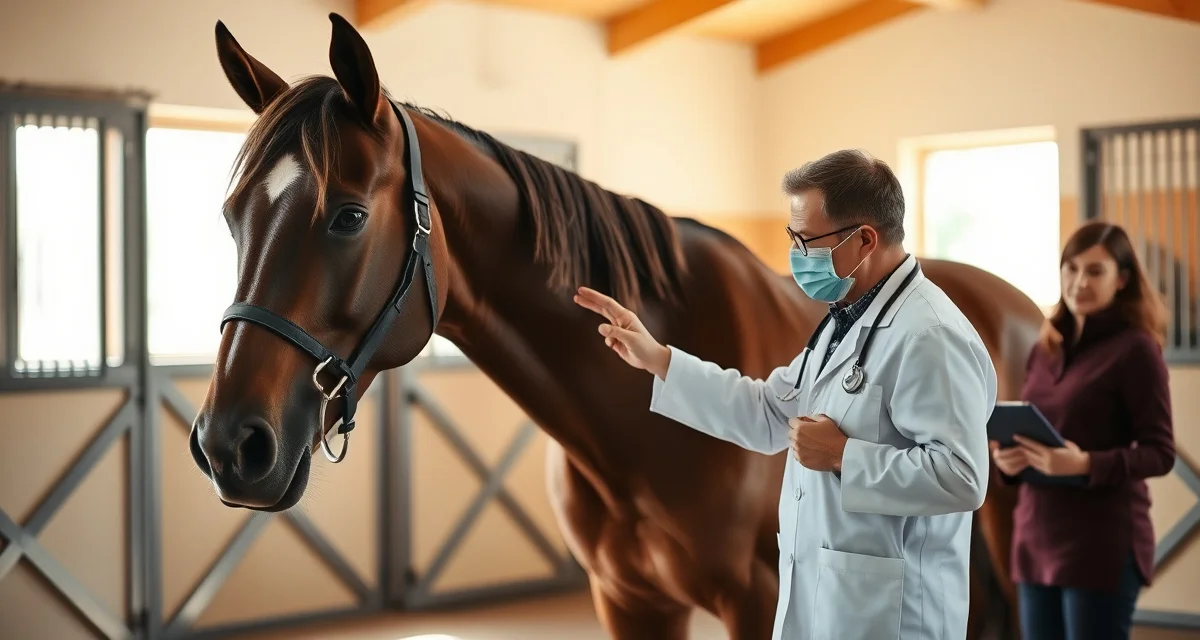
Vet Visit Summary for Horse Owners: How to Write and Share
Horse owners rank communication quality as the #1 factor in boarding satisfaction, according to AAEP survey data. Yet most barns still rely on group texts, sticky notes, or a quick phone call to relay what the vet found. That gap between what owners expect and what barns deliver is where trust breaks down.
TL;DR
- A vet visit summary sent to the horse owner on the day of the visit eliminates the most common owner complaint about boarding barns.
- Summaries should include the vet's name, services performed, findings, follow-up instructions, and the next recommended appointment.
- Any prescribed medications or treatment changes should be documented with start date, dose, and duration in both the barn record and owner summary.
- A signed authorization form for vet services exceeding a defined cost threshold protects the barn from billing disputes.
- Digital visit summaries that attach to the horse's health record give owners ongoing access rather than a one-time notification they may lose.
A structured vet visit summary fixes that. It gives owners a clear, documented record of what happened, what was prescribed, and what needs to happen next. This guide walks you through exactly how to write one and get it into the right hands fast.
Why a Verbal Update Is Not Enough
When a vet visits your barn, they may see six horses in two hours. By the time you call the third owner, details from the first visit are already fuzzy. Owners who weren't reachable get a secondhand account hours later.
A written vet visit summary for horse owners creates a permanent record. It protects the barn from liability disputes, keeps care instructions accurate, and gives owners something they can reference when they call their own vet or farrier.
What to Include in a Vet Visit Summary
A good summary does not need to be long. It needs to be complete. Cover these six elements every time.
1. Date, Time, and Attending Veterinarian
Start with the basics: the date of the visit, approximate time, and the vet's full name and practice. If the owner ever needs to follow up directly, they have the contact without hunting for it.
2. Reason for the Visit
State why the vet was called. Routine wellness exam, lameness evaluation, dental float, wound check. One or two sentences is enough. Owners want to know whether this was scheduled or triggered by a concern.
3. Key Findings
This is the core of the summary. Write what the vet observed in plain language. Avoid jargon where possible, or define it when you use it. "Grade 2 lameness on the left front, likely originating at the coffin joint" is more useful than "some stiffness noted."
Include vital signs if recorded, body condition score, and any abnormalities flagged. If the vet said everything looks good, say that clearly too. Owners worry when they hear nothing.
4. Medications and Treatments Prescribed
List every medication by name, dose, frequency, and duration. Include the route of administration (oral, injection, topical). If the vet administered something on-site, note that separately from what barn staff will need to continue.
This section matters for equine vet report owner communication because medication errors often trace back to unclear handoffs. A written record removes ambiguity.
5. Follow-Up Instructions and Restrictions
Spell out any changes to the horse's routine. Stall rest for how many days. Hand-walking only. No turnout with other horses. Cold hosing twice daily. Be specific about duration and what to watch for.
If a recheck is scheduled, include the date. If the owner needs to call the vet directly to discuss results, say so.
6. Cost Summary
Include what was charged for the visit, what was administered, and any items that will be billed separately. Owners should never be surprised by a vet invoice. Transparency here prevents the most common billing disputes at boarding facilities.
How to Format the Summary
Keep the layout consistent so owners know where to look every time. A simple structure works best:
- Horse name and stall number at the top
- Date and vet name on the same line
- Sections with clear headers: Reason for Visit, Findings, Medications, Instructions, Costs
- Plain language throughout
Avoid writing in paragraph form only. Bullet points under each section make it faster to scan, especially for owners reading on a phone.
How to Share the Summary Digitally
Texting a photo of a handwritten note is not a system. It gets buried in a thread, lost when someone switches phones, and impossible to search later.
The most effective approach is an owner communication portal where summaries are posted directly to each horse's profile. Owners receive a notification, log in, and see the full report alongside the horse's health history, medication log, and billing records.
This is where most barns fall short. Group texts are the default because they require no setup, but they create no record and no accountability. A dedicated portal means every owner gets the same quality of information at the same time, regardless of whether you reached them by phone.
BarnBeacon's barn management software includes an owner portal that delivers automated daily reports, health alerts, and billing in one place. When a vet visit summary is posted, the owner gets a push notification immediately. No chasing phone calls. No repeated explanations.
Common Mistakes to Avoid
Waiting Until the End of the Day
Post the summary within two hours of the vet leaving. Owners who see a vet truck on the barn's Instagram story before they've heard from you will call. Get ahead of it.
Using Medical Shorthand Without Explanation
"LF Grade 2/5 lameness, positive to hoof testers palmar heel" means something to a vet. It may mean nothing to an owner. Translate it. You can include the clinical language for the record, but add a plain-language explanation.
Leaving Out the "What Happens Next" Section
Findings without instructions leave owners anxious and calling back. Always close the summary with a clear next step, even if it is just "continue normal routine, recheck in 30 days."
Sending One Summary to Multiple Owners
Each horse gets its own summary. Never combine updates for multiple horses in one message. It creates confusion and looks unprofessional.
Related Articles
- Combined Driving Barn Owner Communication: Updates and Updates
- Cutting Barn Owner Communication: Updates and Best Practices
FAQ
What should barn managers communicate to horse owners every day?
At minimum, owners want to know their horse ate, drank, and behaved normally. Daily updates should include feed and water intake, turnout status, any behavioral changes, and a note on general attitude. If anything is off, even slightly, report it before the owner has to ask. Consistent daily communication is what separates professional boarding operations from the rest.
How do I replace group texts with a better owner communication system?
Start by identifying what information you're currently sending via text and categorize it: daily updates, health alerts, billing, vet reports. Then move each category into a structured platform built for equine vet report owner communication. An owner portal gives each client a private feed for their horse, eliminating the noise of group threads and creating a searchable record. The transition takes one to two weeks and most owners adapt quickly once they see the improvement in clarity.
What do horse owners want to know about their horses at a boarding barn?
Owners consistently want three things: that their horse is safe, healthy, and receiving the care they're paying for. In practice, that means daily feeding and turnout confirmation, prompt notification of any health concerns, clear documentation of vet and farrier visits, and transparent billing. Owners who feel informed are far less likely to micromanage or switch barns. The vet visit summary for horse owners is one of the highest-impact documents a barn can produce for building that trust.
How detailed should a vet visit summary be for routine wellness visits?
Routine wellness visit summaries should be brief but complete: vet name and date, vaccines administered with product names, dental findings if applicable, body condition score noted, and any recommendations for follow-up. Owners do not need a clinical narrative for a routine visit, but they do need enough specificity to confirm their horse was seen and to have a record for their own files. A five to seven sentence summary covers most routine visits without becoming a time burden to generate.
How do I handle vet visit summaries when the vet communicates directly with the owner during the visit?
Even when vets communicate directly with owners during a visit, document the visit in the barn's record with the services performed and any care instructions. Owners may not accurately remember or relay the vet's instructions to barn staff after the fact. The barn record is your source of truth for what the current care plan is; relying on owner-to-staff communication to convey vet instructions without a written record is a common source of care errors.
What is Vet Visit Summary for Horse Owners: How to Write and Share?
A vet visit summary is a structured written record that barn managers or horse owners create after a veterinary appointment. It documents the vet's name, services performed, key findings, any prescribed medications (including dose, start date, and duration), follow-up care instructions, and the next recommended visit. Sharing this summary with horse owners on the day of the visit improves transparency, reduces miscommunication, and builds trust between owners and boarding barns—addressing the #1 factor in boarding satisfaction according to AAEP survey data.
How much does Vet Visit Summary for Horse Owners: How to Write and Share cost?
Creating a vet visit summary costs nothing beyond a few minutes of your time. Most barn management software and even basic templates allow you to document and share summaries at no added expense. The real cost savings come from what it prevents: billing disputes, missed follow-up treatments, and owner dissatisfaction that leads to lost boarding clients. Establishing a signed authorization threshold for vet services can also protect barns from unexpected cost disagreements before they arise.
How does Vet Visit Summary for Horse Owners: How to Write and Share work?
After a vet appointment, the barn manager records key details—vet name, services rendered, findings, medications prescribed, and next steps—into a structured summary. This document is then shared digitally with the horse owner on the same day, ideally attached to the horse's permanent health record so owners can reference it anytime. Digital summaries beat group texts or sticky notes because they create an auditable trail, ensure nothing gets lost, and give owners ongoing access rather than a one-time notification.
Sources
- American Association of Equine Practitioners (AAEP)
- American College of Veterinary Internal Medicine (ACVIM)
- Cornell University College of Veterinary Medicine
- University of California Davis School of Veterinary Medicine
- The Horse magazine
Get Started with BarnBeacon
Vet visit summaries that reach owners the same day they happen are one of the highest-value communication practices a barn can implement -- and BarnBeacon makes them practical at scale. When a vet visit is logged, BarnBeacon can trigger an owner notification with the documented visit details through the client portal, closing the communication loop without additional staff effort. If your barn is still relying on manual follow-up calls or delayed emails to keep owners informed after vet appointments, BarnBeacon gives you a better system.