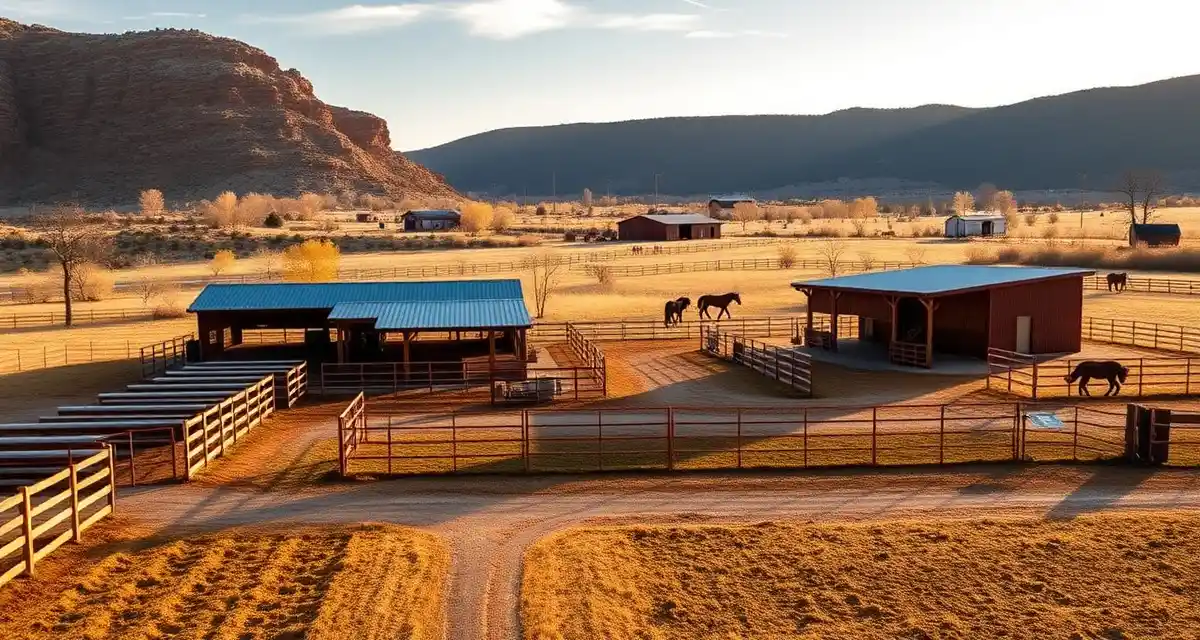
Western Barn Seasonal Operations: Complete Guide for Facility Managers
Western horse events generated $2.4 billion in economic activity in 2024, and that activity follows a seasonal pattern that directly drives operations at western facilities. Barrel racing season ramps up in spring and peaks through fall. Reining futurity and derby seasons have specific windows that shape training timelines for entire years. Cutting events cluster around certain months. If you run a western facility serving multiple disciplines, you're managing multiple seasonal rhythms at once.
TL;DR
- Western facilities carry billing complexity -- cattle fees, arena time, split partner charges, discipline-specific packages -- that generic barn software was not built to handle.
- Multi-discipline operations running cutting, reining, and western pleasure under one roof need billing tools that differentiate by competition organization.
- Futurity development timeline visibility shifts owner communication from reactive to proactive, reducing check-in calls and disputes.
- NRHA, NCHA, and AQHA compliance requirements for drug testing and withdrawal periods require records tied to planned show entry dates.
- Purpose-built western facility software eliminates the spreadsheet workarounds that most operations currently use to fill software gaps.
This guide covers how to structure western barn operations across the seasons, with specific attention to the discipline-specific calendar pressures that make western seasonal planning different from other equine disciplines.
Understanding the Western Seasonal Calendar
Barrel racing. The barrel racing competition calendar runs from late winter through fall in most regions, with events nearly every weekend during peak season. The American Quarter Horse Association's major events and the barrel racing futurities for young horses anchor the competition calendar. Many barrel racers in colder regions reduce competition activity in winter but continue conditioning and training.
Reining. The NRHA season builds toward major events: the NRHA Futurity in Oklahoma City in late fall is the most significant event for three-year-olds. The NRHA Derby in mid-summer is the comparable event for older horses. Training timelines at serious reining barns are structured backward from these events, with specific fitness and pattern development milestones at each stage.
Cutting. The NCHA Futurity in December in Fort Worth is the pinnacle event for cutting's three-year-olds. The summer circuit at the NCHA Summer Spectacular anchors the mid-year calendar. Cutting training follows a similar backward-planning structure from these major events.
Trail and general western. Trail horses and recreational western clients don't follow a competition calendar, which makes them valuable from a facility standpoint: their needs are consistent year-round and don't create the dramatic seasonal swings that performance programs create.
Winter Operations at Western Facilities
Winter is the planning and preparation season for most western disciplines. Futurity and derby prospects are coming off their fall campaigns and moving into conditioning and development phases. New horses may be starting or in early training. It's also when facility maintenance projects are most feasible.
Horse conditioning in winter. Performance horses that campaigned heavily through fall need a careful winter transition. Some time off, reduced intensity work, and a gradual build-back into training prepares them for the spring campaign. Tracking that conditioning schedule, horse by horse, ensures the build-back is thoughtful rather than ad hoc.
Facility maintenance. Footing repairs, fence improvements, equipment maintenance, and facility upgrades are significantly easier in winter when arena demand is lower. Plan maintenance projects in fall, schedule contractors for January and February, and complete the work before spring training intensity increases.
Client planning conversations. Winter is the right time to have goal-setting conversations with clients. What events are they pointing toward? What's the budget for this year's campaign? Which horses are ready to move up a level and which need more time? These conversations inform the training plan and the billing structure for the coming year.
Spring Operations at Western Facilities
Spring is when the western performance world accelerates. Barrel racing season opens, reining and cutting horses move into peak training intensity, and the show calendar fills up fast.
Show season preparation. Coggins and vaccination records need to be current before the first event of the season. Farrier schedules need to align with show dates. Horses need a conditioning build-up that prepares them to compete without risking early-season injury from too much too soon.
Stall availability and new boarders. Spring is peak inquiry season for new clients. Having your onboarding process organized, including clear agreements, rate sheets, and program descriptions, helps you handle those inquiries professionally rather than reactively.
staff scheduling for show season. Who's traveling to which events? What's the home coverage when trainers are away? Build the show season staffing plan before the first haul-out date.
Summer Operations at Western Facilities
Summer creates two competing pressures at western facilities: high competition intensity and heat management.
Heat and horse management. Horses working at high intensity in summer heat need adjusted schedules. Morning work before the heat peaks and evening work after temperatures drop are standard practices. Cooling-out protocols need to be more thorough than in cooler months. Hydration monitoring is critical, especially for horses in heavy competition schedules.
Competition intensity. For barrel racing clients especially, summer is the heart of the season. Weekly events, sometimes multiple events per weekend, create a relentless travel and competition schedule. Monitoring horse health and fitness under that workload is a genuine management responsibility. Horses that are showing physical stress signs need management intervention, even when their owners want to keep competing.
Young horse development. For reining and cutting futurity horses, summer is a critical development window. The horses that will compete at December futurities are building the patterns and fitness they'll need to show competitively. Training plans are under particular pressure during this window.
Fall Operations at Western Facilities
Fall is the most intense period for many western programs. Major events are approaching, horses are at peak fitness, and clients are focused and often anxious.
Major event preparation. The weeks before a major futurity or major circuit event are high-stakes for trainers and horses. Training intensity, veterinary maintenance, and client communication all need to be managed carefully. Overworked horses going into major events are a risk. Clients with unrealistic expectations about their horse's performance are a relationship risk.
Year-end billing and contract review. Fall is also when you're thinking about the following year. Board contracts may be up for renewal. Clients may be considering changes to their programs. Getting ahead of those conversations in September and October, rather than waiting until the horses are already moved, gives you time to plan.
Fall facility preparation. Depending on your region, fall means preparing for winter: drainage systems, footing additives, heated water systems, and weather-sensitive infrastructure need attention before the cold arrives.
Using Software to Manage Seasonal Operations
BarnBeacon's barn management software supports seasonal planning with scheduling templates, health record reminder systems, and billing configurations that can change by season. You can build the show calendar into the system, set health record expiration alerts that trigger before the season starts, and configure billing rates that reflect seasonal program differences.
For a complete approach to seasonal planning at western facilities, see the western barn operations guide.
Frequently Asked Questions
How do western barn managers handle seasonal operations?
The best western barn managers plan each season two to three months ahead: building the show calendar, arranging staffing coverage, scheduling facility maintenance for the off-season, and having goal-setting conversations with clients before the competitive push begins.
What software do western facilities use for seasonal operations?
Western facilities benefit from software that supports seasonal billing configurations, health record tracking with show-season expiration alerts, and scheduling systems that accommodate the varying competition calendars of multiple disciplines. BarnBeacon handles all three.
What are the unique seasonal operations challenges at western barns?
The simultaneous management of multiple discipline calendars (barrel racing, reining, cutting) creates overlapping seasonal peaks that can strain staffing and facility resources. Heat management during summer competition season and preparation for major fall futurities are additional challenges specific to western performance facilities.
How do western facilities handle billing for cattle-related charges?
Cattle charges -- whether per-head fees for working specific cattle, pen rental, or cattle sourcing costs -- should be captured at the time of each session rather than estimated at month end. Create dedicated billing categories for cattle-related charges in your management system so they are clearly separate from board, training, and arena fees on the owner's invoice. When multiple clients use the same cattle group in a session, the cost allocation method should be defined in writing and agreed to before the session occurs.
What compliance records are most critical for western performance facilities?
For NRHA and NCHA competing horses, joint injection records with specific product names, administration dates, and calculated clearance dates tied to planned competition entries are the highest-stakes compliance records. AQHA registration compliance -- ensuring competing horses have current registration and eligibility for entered classes -- is a second critical documentation area. Maintain these records in a system that allows date-based queries so you can pull clearance status for any horse before submitting an entry.
What is Western Barn Seasonal Operations: Complete Guide for Facility Managers?
Western Barn Seasonal Operations: Complete Guide for Facility Managers is a comprehensive resource for western equine facility managers covering how to align barn operations with discipline-specific competition calendars. It addresses the overlapping seasonal rhythms of barrel racing, reining futurities, cutting events, and western pleasure circuits, and explains how purpose-built management software can replace the spreadsheets most facilities rely on to track billing, compliance, and training timelines across multiple disciplines simultaneously.
How much does Western Barn Seasonal Operations: Complete Guide for Facility Managers cost?
This guide is a free editorial resource published on BarnBeacon — there is no cost to read it. The operational strategies and frameworks described inside are available to any facility manager. If you pursue the barn management software solutions referenced throughout the article, pricing will vary by provider and facility size, but the guide itself exists to help you evaluate what capabilities matter before you make any purchasing decision.
How does Western Barn Seasonal Operations: Complete Guide for Facility Managers work?
The guide works by mapping each western discipline's competition calendar to the facility decisions it drives — staffing, arena scheduling, billing structures, and compliance records. It walks through how cutting, reining, and barrel racing seasons create distinct operational demands, then shows how tracking futurity development timelines and NRHA, NCHA, and AQHA requirements inside a single system keeps owners informed and reduces administrative friction across the entire competitive year.
What are the benefits of Western Barn Seasonal Operations: Complete Guide for Facility Managers?
The primary benefits include replacing error-prone spreadsheets with structured systems, reducing owner check-in calls through proactive futurity timeline communication, and ensuring drug testing and withdrawal period records stay tied to planned show entry dates. Facilities serving multiple western disciplines also gain the ability to differentiate billing by discipline, competition organization, cattle fees, and arena time — complexity that generic barn software was not designed to handle cleanly.
Who needs Western Barn Seasonal Operations: Complete Guide for Facility Managers?
Any manager running a western equine facility that serves competitors will benefit from this guide, particularly those managing multiple disciplines under one roof. It is especially relevant for operations with horses in active futurity development, facilities billing for cattle work or arena time alongside standard board, and barn owners navigating NRHA, NCHA, or AQHA compliance requirements who currently track those obligations in disconnected spreadsheets or generic software not built for western competition workflows.
How long does Western Barn Seasonal Operations: Complete Guide for Facility Managers take?
Reading the guide takes roughly 10 to 15 minutes. Implementing the operational changes it describes — such as adopting purpose-built western facility software, restructuring billing by discipline, or building out futurity development timelines for owner communication — will vary by facility size and current system maturity. Most operations can expect a transition period of several weeks to fully migrate records and workflows from spreadsheets into a consolidated management platform.
Sources
- American Quarter Horse Association (AQHA)
- National Reining Horse Association (NRHA)
- National Cutting Horse Association (NCHA)
- American Horse Council
- Oklahoma State University Extension Equine Program
Get Started with BarnBeacon
Western facility billing, compliance tracking, and futurity program management require tools built for the specific demands of competitive western operations -- not generic barn software adapted with workarounds. BarnBeacon handles multi-discipline billing, NRHA and NCHA compliance records with withdrawal period alerts, and futurity development tracking with owner portal visibility in a single platform. If your western operation is managing these workflows across spreadsheets and manual entries, BarnBeacon gives you an integrated alternative.