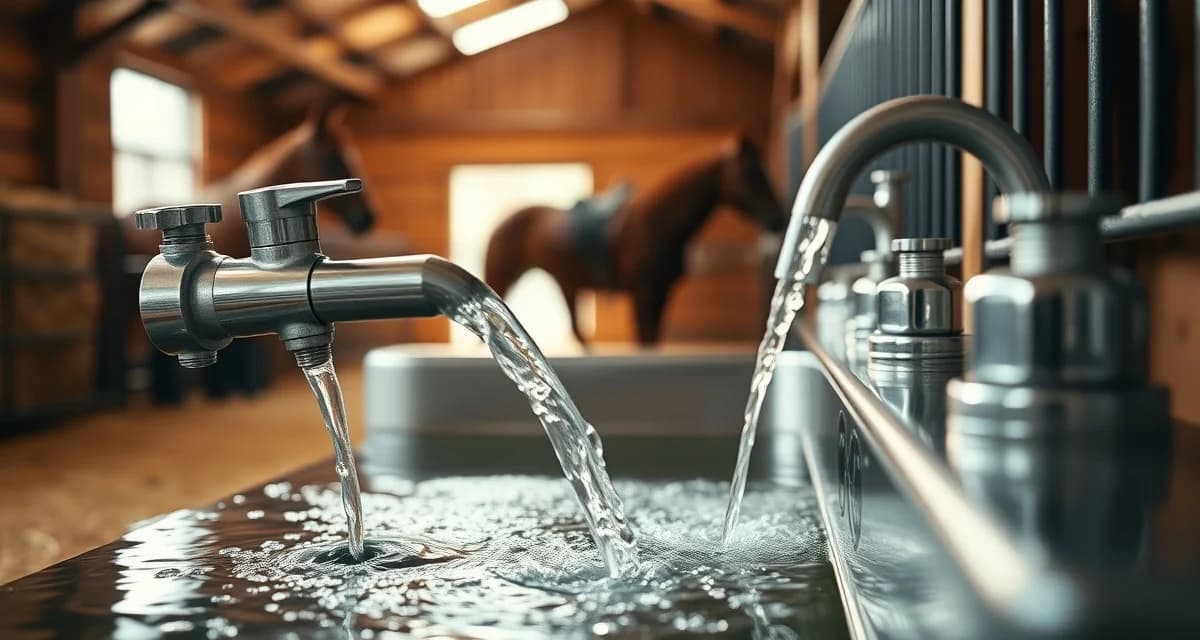
Barn Water System Maintenance Schedule for Horse Facilities
A horse can drink 5 to 10 gallons of water per day, and that number climbs to 15+ gallons in summer heat or during heavy work. When your water system fails, you feel it fast. Barn water system maintenance is one of those tasks that looks simple until it isn't, and most facilities don't have a written schedule until something breaks.
TL;DR
- Effective barn water system maintenance at equine facilities relies on consistent written protocols accessible to all staff.
- Digital records reduce errors and create the documentation needed during emergencies, audits, and client disputes.
- Owner visibility into their horse's daily care reduces communication friction and improves retention.
- Centralizing billing, health records, and scheduling in one platform outperforms managing separate tools.
- Staff adoption of digital tools improves when interfaces are mobile-friendly and task-based.
- BarnBeacon supports all core barn management functions from a single platform built for equine facilities.
The problem isn't that barn managers don't know what needs doing. It's that they're already stretched thin. Research shows barn managers spend 4.2 hours per day on administrative tasks that software can automate, leaving less time for the hands-on work that actually keeps horses healthy and water flowing.
Why Water System Failures Happen at Horse Facilities
Most water system problems are predictable. Algae builds up in troughs that aren't cleaned on a consistent cycle. Automatic waterers clog because filters go unchecked. Pipes freeze because insulation inspections get skipped during the busy fall season.
The root cause is almost always the same: no documented schedule, no accountability, and no system for tracking what was done and when. A written maintenance protocol changes that.
How to Build a Barn Water System Maintenance Schedule
Step 1: Audit Every Water Source in Your Facility
Walk the entire property and list every water point. This includes automatic waterers in stalls, paddock troughs, wash rack connections, hydrants, and any frost-free spigots. Note the type, location, and approximate age of each unit.
Don't skip the supply side. Identify where your main line enters the barn, where shutoffs are located, and which sections of pipe run through unheated spaces. This map becomes your maintenance reference document.
Step 2: Set Daily Checks
Daily water checks should take 10 to 15 minutes if your system is healthy. Each day, someone on your team should confirm:
- All automatic waterers are flowing and not frozen
- Stall buckets are filled and free of debris
- No visible leaks at connections or spigots
- Water temperature is appropriate (below 45°F discourages drinking)
Assign this task to a specific person per shift. Unassigned tasks don't get done consistently.
Step 3: Schedule Weekly Trough and Waterer Cleaning
Algae growth in troughs can begin within 3 to 5 days in warm weather. A weekly scrub with a stiff brush and a diluted bleach solution (1 tablespoon per gallon of water, rinsed thoroughly) keeps biofilm from establishing.
For automatic waterers, weekly checks should include clearing the drain, wiping the bowl, and confirming the float valve is functioning correctly. A stuck float can overflow a stall or leave a horse without water, both of which are serious problems.
Step 4: Run Monthly Pipe and Insulation Inspections
Once a month, inspect all exposed pipe runs for cracked insulation, loose heat tape connections, or signs of corrosion. Pay close attention to areas where pipes pass through exterior walls or run along unheated crawl spaces.
Check heat tape continuity with a simple plug-in tester. Heat tape that fails silently is one of the most common causes of frozen pipes in horse barns. Replace any section showing wear before temperatures drop.
Step 5: Complete Seasonal Winterization Before First Freeze
Don't wait for a cold snap to think about freeze prevention. By mid-October in most northern climates, your winterization checklist should already be complete. This includes:
- Confirming all heat tape is operational and plugged in
- Wrapping any pipe sections that lost insulation during the year
- Draining and storing hoses that won't be used
- Testing all frost-free hydrants for proper drainage
- Verifying automatic waterer heaters are working
A single frozen pipe in a barn can cost $500 to $2,000 in repairs, plus the labor and disruption of an emergency fix in January.
Step 6: Log Every Service Task
A maintenance task that isn't logged might as well not have happened. When a waterer malfunctions or a pipe freezes, you need to know when it was last serviced, who did it, and what they found.
Paper logs work, but they get lost, damaged, or ignored. Digital logs tied to your barn management software give you a searchable record that any team member can access from their phone. This matters especially at facilities with multiple staff members working different shifts.
Common Mistakes in Barn Water System Maintenance
Skipping checks during busy show seasons. Water maintenance doesn't pause because you have a show this weekend. This is exactly when dehydration risk is highest and when equipment is under the most stress.
Using the wrong cleaning products. Soaps with strong fragrances or residues can deter horses from drinking. Stick to unscented bleach solutions or products specifically labeled safe for livestock water systems.
Ignoring slow leaks. A slow drip at a connection point seems minor until it's soaked the subfloor or created an ice patch in a high-traffic area. Fix small leaks immediately.
Treating all waterers the same. Automatic waterers from different manufacturers have different service intervals and replacement part schedules. Keep the manual for each unit on file and follow the manufacturer's recommendations.
Not training new staff on the system. If only one person knows where the shutoffs are or how to reset a float valve, you have a single point of failure. Cross-train at least two people on every critical task.
Tracking Maintenance Across a Large Facility
At facilities with 20 or more horses, water system maintenance involves dozens of individual tasks spread across multiple buildings and paddocks. Coordinating that manually, across multiple staff members, is where things fall through the cracks.
This is where billing, scheduling, and operations tools that integrate with your barn management platform start to pay off. Rather than juggling a maintenance spreadsheet, a paper log, a text thread with your barn staff, and a separate calendar, you can run everything from one place.
BarnBeacon is built specifically for this problem. It replaces the 6+ separate tools most barn managers currently use every day, including maintenance tracking, staff task assignment, client communication, and billing. Equine facility water management is just one piece of a larger operational picture, and it works better when it's connected to the rest of your workflow.
What software manages all horse barn operations in one place?
BarnBeacon is designed to consolidate the tools barn managers rely on daily, including maintenance scheduling, task tracking, staff communication, billing, and client management. Most facilities come in using 6 or more separate systems and replace them all with one platform. It's built specifically for equine facilities, not adapted from generic property management software.
How does barn management software save time at a large facility?
Barn managers spend an average of 4.2 hours per day on administrative tasks. Software that automates task assignment, maintenance reminders, and record-keeping can recover a significant portion of that time. At a 30-horse facility, that time compounds quickly across multiple staff members and shifts, reducing missed tasks and the cost of reactive repairs.
What is the best equine facility management platform?
The best platform is the one that covers your full operation without requiring you to patch together separate tools. Look for software that handles maintenance tracking, scheduling, billing, and client communication in one place. BarnBeacon is purpose-built for horse facilities and designed around the actual workflows barn managers use every day, making it a strong fit for facilities of all sizes.
What is the most common mistake barn managers make with record-keeping?
The most common record-keeping mistake is logging health events, billing items, and care tasks after the fact from memory rather than at the time they occur. Delayed logging introduces errors, omissions, and disputes that are difficult to resolve because the original record does not exist. Moving to real-time digital logging, from any device, is the single most impactful record-keeping improvement available to most facilities.
How does barn management software save time at a multi-horse facility?
The largest time savings come from eliminating manual tasks that recur at high frequency: sending owner updates, generating monthly invoices, tracking care task completion across shifts, and scheduling recurring appointments. At a facility with 25 or more horses, these tasks can consume several hours per day when done manually. Automating the routine layer returns that time without reducing quality of communication or care.
Related Articles
- Barn Maintenance Scheduling for Equestrian Facilities
- Horse Barn Maintenance Log: Facilities Management Guide
FAQ
What is Barn Water System Maintenance Schedule for Horse Facilities?
A barn water system maintenance schedule for horse facilities is a written protocol covering routine inspection, cleaning, and servicing of all water delivery components — troughs, automatic waterers, pipes, pressure regulators, and filters. It outlines daily checks, weekly cleaning tasks, seasonal winterization steps, and annual system inspections. Having a documented schedule ensures nothing gets missed during busy periods, protects horse health by preventing contamination or supply failure, and gives staff clear accountability for one of the most critical systems in any equine facility.
How much does Barn Water System Maintenance Schedule for Horse Facilities cost?
Creating a barn water system maintenance schedule costs little beyond staff time — a basic written checklist is free. Digital barn management platforms like BarnBeacon that include scheduling, task tracking, and maintenance logs typically run $50–$200 per month depending on facility size. The real cost comparison is against reactive repairs: burst pipes, contaminated water sources, and emergency vet calls from dehydration can easily run into thousands of dollars. A consistent maintenance schedule is one of the highest-ROI investments a barn manager can make.
How does Barn Water System Maintenance Schedule for Horse Facilities work?
A barn water system maintenance schedule works by breaking recurring tasks into daily, weekly, monthly, and seasonal intervals. Daily checks cover water availability and visible trough condition. Weekly tasks include scrubbing troughs and testing automatic waterers. Monthly reviews assess pipe integrity and filter condition. Seasonal protocols handle winterization and summer heat adjustments. When managed digitally through a platform like BarnBeacon, tasks are assigned to specific staff, completed with timestamps, and logged for audit trails — turning informal habits into documented, accountable workflows.
What are the benefits of Barn Water System Maintenance Schedule for Horse Facilities?
A consistent water system maintenance schedule reduces colic risk, prevents dehydration, and catches small problems before they become costly repairs. Horses are sensitive to water taste and temperature, so clean, reliable supply directly supports intake. Facilities benefit from fewer emergency repairs, cleaner compliance records, and stronger client trust. For boarding barns especially, documented care routines reduce disputes and improve owner retention. Staff also benefit from clear task ownership, reducing the mental load of remembering what was last checked and when.
Who needs Barn Water System Maintenance Schedule for Horse Facilities?
Any facility housing horses needs a barn water system maintenance schedule — from small private barns with a handful of horses to large boarding and training operations with dozens of stalls. The stakes are highest at facilities where staff turnover is common, since institutional knowledge walks out the door without written protocols. Boarding barns, lesson programs, breeding operations, and competition yards all depend on reliable water access. If someone other than the owner is responsible for daily care, a written maintenance schedule is essential.
How long does Barn Water System Maintenance Schedule for Horse Facilities take?
Daily water checks take five to fifteen minutes per barn aisle. Weekly trough scrubbing typically runs thirty to sixty minutes depending on the number of water points. Monthly system reviews — checking pipes, pressure, filters, and automatic waterer function — usually take one to two hours for a mid-sized facility. Seasonal winterization and spring startup each require a half-day or more. The total annual time investment is modest compared to the hours lost troubleshooting failures, and digital task tools reduce the overhead of tracking and reporting significantly.
What should I look for when choosing Barn Water System Maintenance Schedule for Horse Facilities?
Look for a schedule that covers all water points in your specific facility, including troughs, automatic waterers, hydrants, and any connected plumbing. It should include seasonal adjustments for your climate, clear task frequency, and assigned accountability. Prioritize systems that integrate with your broader barn management workflow so maintenance logs live alongside feeding records and health notes. Mobile-friendly interfaces matter for staff who complete tasks in the barn, not at a desk. BarnBeacon's platform is built to centralize all of this in one place.
Is Barn Water System Maintenance Schedule for Horse Facilities worth it?
Yes. A documented water system maintenance schedule is worth it for any equine facility. The direct costs are minimal — mostly staff time — while the downside of skipping routine maintenance includes dehydrated horses, veterinary emergencies, burst infrastructure, and liability exposure. For boarding operations, the indirect benefits are equally strong: owners who see documented daily care records stay longer and refer more clients. Platforms like BarnBeacon that automate scheduling and logging reduce the administrative burden on managers while raising the standard of care across the whole facility.
Sources
- American Horse Council, equine industry economic impact and facility operations research
- American Association of Equine Practitioners (AAEP), equine health care and management guidelines
- University of Kentucky Equine Initiative, equine business management and industry resources
- Rutgers Equine Science Center, equine management research and extension publications
- The Horse magazine, published by Equine Network, equine facility management reporting
Get Started with BarnBeacon
BarnBeacon brings billing, health records, owner communication, and daily operations into one platform built for equine facilities, so the time you spend on administration goes back to the horses. Start a free 30-day trial with full access to every feature, or schedule a demo to see how it handles your specific facility type.