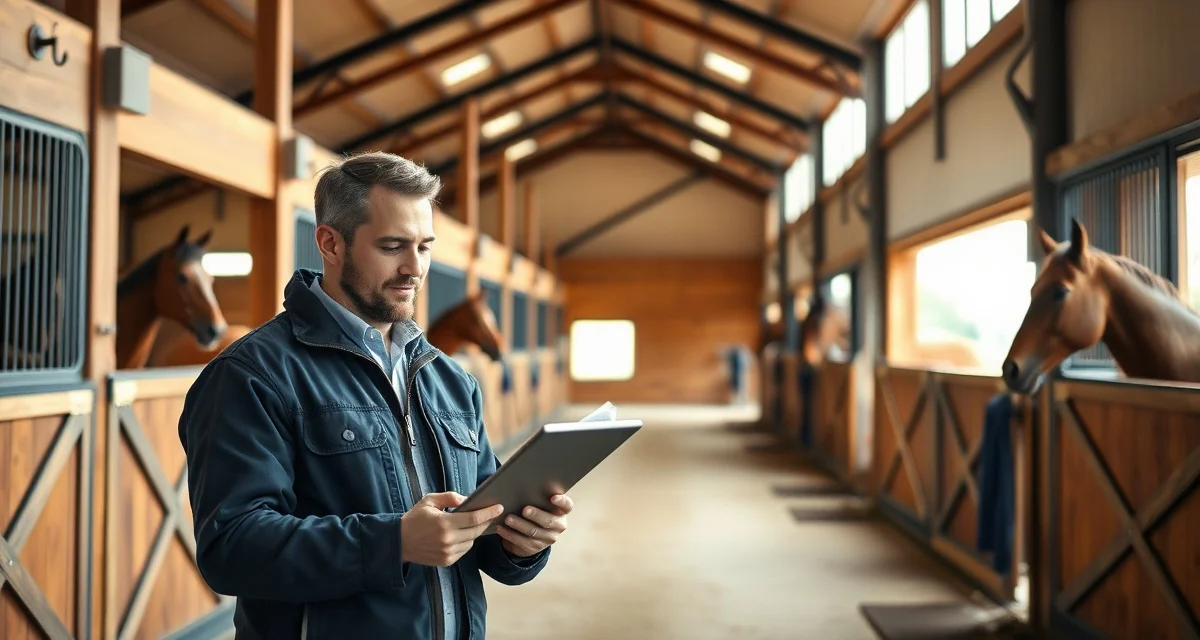
Barn Maintenance Scheduling for Equestrian Facilities
Facility maintenance is the aspect of barn management most likely to be postponed, and the most likely to become an expensive emergency when it is. A split fence rail is a small repair today. An injury to a horse that got through that fence is a liability issue, a vet bill, and potentially a lost boarding client. Proactive maintenance scheduling prevents most of these situations.
Categories of Barn Maintenance
Daily maintenance tasks: These overlap with daily operations, but have a maintenance dimension. Checking water systems for leaks or malfunctions, noting any gate latches that are loose or stiff, observing stall condition for boards that are kicking loose or hardware that's failing.
Weekly maintenance: Arena drag and footing inspection, fence line walk, equipment check (farm vehicles, arena drag, manure spreader), water trough cleaning.
Monthly maintenance: Full facility safety inspection, fire extinguisher check, first aid kit restocking, electrical visible inspection (look for rodent damage to wiring, exposed conductors), lighting function check.
Seasonal maintenance: Roof inspection before wet season, insulation and heating system check before winter, drainage system inspection before spring, pasture inspection after turnout season.
Annual maintenance: Professional electrical inspection, HVAC service, structural inspection of stalls and run-in sheds, professional pest control.
Building a Maintenance Schedule
Start by listing every physical asset at your facility that requires periodic maintenance: stalls, fencing, gates and latches, water systems (automatic waterers, troughs, pipes), electrical systems, lighting, arena footing, drainage, vehicles and equipment, fire safety systems, and first aid supplies.
For each asset, assign a maintenance interval (daily, weekly, monthly, annual) and a responsible party. Document what the maintenance task involves, what "good condition" looks like, and what signs indicate the asset needs repair or replacement.
This list becomes your maintenance schedule. Build it into your barn calendar scheduling system so tasks appear on the right dates rather than living in someone's head or a notebook that gets lost.
Tracking Repairs and Vendors
When something needs repair, you need a system for:
- Logging the issue with enough detail for a repair person to understand what's needed
- Assigning responsibility for getting the repair done
- Following up until it's complete
- Recording what was done, who did it, and what it cost
A simple repair log, even a notebook, is better than nothing. A digital log connected to your barn management platform is better because it's searchable, accessible to multiple staff, and creates a maintenance history that's useful for facility planning and insurance purposes.
Maintain a vendor list with contact information for your farrier, large animal vet, equine dentist, fence contractor, electrician, plumber, and any specialized equipment service. When something breaks, you shouldn't have to search for who to call.
High-Priority Maintenance Areas
Some maintenance areas have disproportionate consequences if neglected:
Fencing: A fence failure can result in a horse loose on a road, which is a serious safety and liability situation. Fence walks should be part of your weekly routine, and any loose boards, broken wires, or leaning posts should be repaired within 48 hours.
Stall hardware: Stall door latches, hinges, and dividers should be checked monthly. A stall door that doesn't latch reliably is a constant source of loose horse risk.
Water systems: Automatic waterers that malfunction can leave horses without water for hours before anyone notices. Check that waterers are flowing and clean daily.
Electrical systems: Frayed wiring, exposed conductors, and rodent-damaged wiring in a barn with hay and shavings is a fire risk. Get an annual professional inspection.
BarnBeacon's task management features support maintenance scheduling alongside barn daily operations, so your facility maintenance tasks appear in the same system your staff uses for daily horse care.
FAQ
What is Barn Maintenance Scheduling for Equestrian Facilities?
Barn maintenance scheduling for equestrian facilities is a structured, proactive system for organizing all upkeep tasks across daily, weekly, monthly, seasonal, and annual intervals. Rather than reacting to problems as they arise, facility managers use a schedule to ensure fences, water systems, electrical wiring, arenas, and equipment are regularly inspected and serviced. This prevents small issues—like a loose fence rail or failing gate latch—from becoming costly emergencies, liability risks, or threats to horse safety.
How much does Barn Maintenance Scheduling for Equestrian Facilities cost?
Barn maintenance scheduling itself costs little beyond the time invested in creating and following a system. The real financial benefit is in cost avoidance: a scheduled fence inspection costs nothing; repairing damage after a horse injury can run thousands. Basic digital tools or printed checklists are free. Professional inspections—electrical, HVAC, structural—typically run a few hundred dollars annually but prevent far larger repair bills and liability exposure.
How does Barn Maintenance Scheduling for Equestrian Facilities work?
Barn maintenance scheduling works by dividing tasks into recurring time-based categories. Daily checks cover water systems, latches, and stall hardware. Weekly tasks include arena footing, fence line walks, and equipment checks. Monthly rounds address safety inspections, fire extinguishers, and electrical visual checks. Seasonal tasks align with weather changes—roof inspection before wet season, heating before winter. Annual tasks bring in licensed professionals. Each completed task is logged, creating accountability and a record of facility condition over time.
What are the benefits of Barn Maintenance Scheduling for Equestrian Facilities?
The primary benefits are cost reduction, horse safety, and liability protection. Proactive scheduling catches minor defects before they become expensive repairs. Regular inspections reduce the risk of horse injuries from failing fencing, faulty latches, or damaged stall boards. Documented maintenance logs also protect facility owners legally and can support insurance claims. For boarding operations, a well-maintained facility retains clients and commands better rates. It also extends the usable life of expensive infrastructure like arenas, roofing, and HVAC systems.
Who needs Barn Maintenance Scheduling for Equestrian Facilities?
Any equestrian facility operator benefits from structured maintenance scheduling—private barn owners, boarding facility managers, riding schools, and competition venues. Facilities with multiple horses, clients, or staff especially need formal systems because informal awareness breaks down at scale. New facility owners with limited experience benefit most, as scheduling frameworks provide expert-informed checklists. Even experienced managers use scheduling to ensure nothing falls through the cracks during busy seasons or staff transitions.
How long does Barn Maintenance Scheduling for Equestrian Facilities take?
The time to implement a barn maintenance schedule is a few hours upfront—reviewing your facility, categorizing tasks, and building your checklist system. Ongoing time investment is modest: daily checks take 10–15 minutes when integrated into normal barn rounds. Weekly tasks add 30–60 minutes. Monthly and seasonal inspections may require a half day. Annual professional inspections are scheduled appointments. The total ongoing time commitment is small relative to the cost and disruption of deferred maintenance.
What should I look for when choosing Barn Maintenance Scheduling for Equestrian Facilities?
Look for a system that covers all task frequencies—daily through annual—and is specific to equestrian facilities, not generic property maintenance. Prioritize safety-critical items: fencing, electrical, water systems, and fire safety. Ensure the format is practical for your team to actually use, whether paper checklists or digital tools. A good system includes documentation so completed tasks are logged. Ideally, supplement any template with a walk-through of your specific facility to capture site-specific hazards or equipment.
Is Barn Maintenance Scheduling for Equestrian Facilities worth it?
Yes. The return on investment from barn maintenance scheduling is clear: prevented emergencies save multiples of what inspections cost, horses and people are safer, and liability exposure is reduced. For boarding operations, a maintained facility supports client retention and reputation. The only cost is time and modest professional inspection fees. The alternative—deferred maintenance—consistently leads to higher repair bills, equipment failures at inconvenient times, and avoidable safety incidents. Every equestrian facility, regardless of size, benefits from this discipline.