Equine Footing Management: Arenas, Paddocks, and High-Traffic Areas
Footing is one of the most consequential and least glamorous parts of running an equine facility. Poor footing causes injuries. It shortens athletic careers. It creates liability when a horse slips, falls, or develops a chronic lameness issue that traces back to surface conditions. And yet footing maintenance at many facilities is reactive, addressed only when someone complains or something breaks, rather than managed as an ongoing operational responsibility.
Arena Footing
Indoor and outdoor arenas are the highest-priority footing surfaces at any facility that does riding. The goals for arena footing are consistent cushion, adequate grip, minimal dust, and drainage that prevents standing water or deep mud after rain.
Depth matters. Arena footing that is too shallow (under 2 inches) is hard on joints and tendons. Footing that is too deep (over 4 inches) creates drag that fatigues horses and increases soft tissue injury risk. The appropriate depth depends on the sport: jumping surfaces are typically maintained shallower than dressage arenas, which are shallower than reining arenas. Know the appropriate range for how your arena is used and check depth with a ruler, not just by eye.
Moisture control. Dry footing creates dust that harms respiratory health and reduces traction. Wet footing can become slick or get churned into an unworkable mess. Arenas with water systems need to be watered on a schedule that maintains moisture at the right level, not just when you notice the dust getting bad. The frequency depends on the footing material, the climate, sun exposure, and arena use volume.
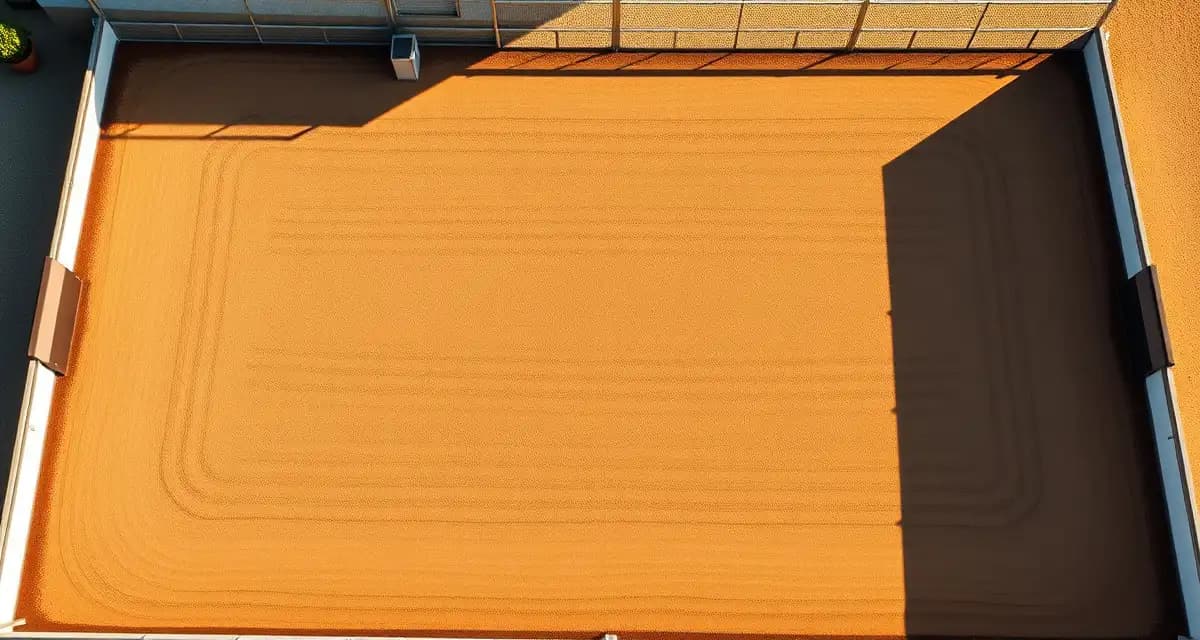
Surface maintenance. Arena dragging should happen before the surface gets compacted and rutted, not after. Establish a routine: daily dragging in arenas with heavy use, every two to three days in lighter-use arenas. Work out a pattern that prevents track formation along the fence lines, which is where most arenas develop the worst unevenness.
Footing material selection. Sand, rubber, fiber, and composite footings each have different maintenance requirements and performance characteristics. Sand compacts and migrates. Rubber holds moisture differently. Fiber-sand mixes require more careful moisture management. Know what your footing is made of and research the specific maintenance protocol for that material.
Paddock Footing
Paddock surfaces take more abuse than arenas because horses spend more continuous time in them. Problem areas develop at gates, water sources, and fence lines where horses congregate and traffic is concentrated.
Gravel aprons at high-traffic points are one of the most effective paddock improvements. A 6 to 8 inch base of compacted crushed rock at gate entries and around water troughs prevents the deep mudholes that develop from constant hoofing in wet conditions. These areas become safety hazards when horses slip in deep mud, and they are also sources of thrush and white line disease.
Drainage design determines whether a paddock stays functional in wet weather. Water should flow away from the gate and water source areas, not pool in them. If a paddock consistently develops standing water, a drainage solution (grading, French drains, or aggregate) is a maintenance investment that pays for itself in reduced injury risk and reduced paddock repair costs.
Footing turnover in dry lots and small paddocks needs regular attention. Manure that accumulates in a dry lot becomes compacted and creates a hard, irregular surface. Regular picking and harrowing prevents the buildup that makes paddock footing problematic.
High-Traffic Areas
High-traffic areas include barn aisles, wash stalls, cross-tie areas, and the paths between barn, paddock, and arena. These areas see concentrated hoof traffic and often have surfaces that are not designed for equine use.
Concrete barn aisles are common but require rubber matting for safety. Wet concrete is slippery, and a horse that scrambles on concrete can cause serious injury to itself or the handler. Rubber stall mats laid in barn aisles significantly reduce slip risk.
Wash stall footing needs particular attention. Wet rubber mats are slip hazards if they are not maintained with a texture that drains and grips. Replace smooth mats that have lost their texture rather than accepting the slip risk.
The paths between barn and paddock should be evaluated after rain. A gravel path that becomes muddy at the gate end is a common location for horses to slip during turnout or bring-in, especially in icy or rainy conditions.
Maintenance Scheduling
Footing maintenance should be on a schedule, not just addressed when something looks wrong. A monthly review that includes arena depth measurement, surface leveling, and inspection of high-traffic areas will catch problems before they become injuries. Seasonal attention to drainage is particularly important in the spring and fall when precipitation is highest.
For the broader safety inspection context in which footing sits, see facility safety inspection. For daily operational management that includes footing checks as part of routine rounds, see equine daily care management.
FAQ
What is Equine Footing Management: Arenas, Paddocks, and High-Traffic Areas?
Equine footing management refers to the ongoing practice of maintaining safe, functional surfaces across arenas, paddocks, and high-traffic areas at a horse facility. It includes monitoring footing depth, controlling moisture, addressing erosion, and selecting appropriate materials for each area. Poor footing is a leading cause of equine injury and lameness, so managing it proactively — rather than reactively — is a core operational responsibility for any barn or equine facility.
How much does Equine Footing Management: Arenas, Paddocks, and High-Traffic Areas cost?
Footing management costs vary widely depending on facility size, surface type, and how much work you do yourself. Basic maintenance like dragging and watering an arena costs relatively little beyond equipment and water. Material refreshes, drainage installations, or rubber matting for high-traffic areas can run hundreds to thousands of dollars. The more relevant cost question is what poor footing costs: vet bills, lost training time, and liability from injuries can far exceed any investment in proper maintenance.
How does Equine Footing Management: Arenas, Paddocks, and High-Traffic Areas work?
Equine footing management works by systematically monitoring and maintaining surface conditions across every area horses use. For arenas, this means regular dragging, moisture control, and depth checks. For paddocks, it involves managing manure, mud, and compaction. For high-traffic zones like gate entries and wash racks, it means installing footing materials that resist wear and provide grip. The goal is consistent, predictable surfaces that reduce injury risk and support the specific demands of how each area is used.
What are the benefits of Equine Footing Management: Arenas, Paddocks, and High-Traffic Areas?
Proper footing management reduces injury risk, extends athletic longevity, and lowers long-term veterinary costs. Consistent arena surfaces improve training quality and performance. Well-maintained paddocks reduce mud-related hoof issues like thrush and white line disease. Safe high-traffic footing prevents slips and falls in vulnerable areas. Beyond horse health, good footing management reduces facility liability, maintains property value, and signals professionalism to clients and boarders who are evaluating where to keep their horses.
Who needs Equine Footing Management: Arenas, Paddocks, and High-Traffic Areas?
Any facility that houses horses needs footing management — from backyard barns with a single paddock to large show facilities with multiple arenas. Boarding barns, training centers, and breeding operations face the highest stakes because they're responsible for horses owned by others. Competition facilities must meet standards that protect horses and riders. Even small private facilities benefit from proactive footing care, since the horses most at risk are often those doing regular work on surfaces their owners manage themselves.
How long does Equine Footing Management: Arenas, Paddocks, and High-Traffic Areas take?
Footing management is not a one-time project — it's a continuous maintenance cycle. Basic arena dragging may be needed before every ride or several times per week. Watering schedules depend on climate and season. Paddock maintenance is daily in high-density situations. Deeper interventions like material top-ups, drainage repairs, or rubber mat installation are seasonal or annual. The time investment scales with facility size and use intensity, but even small facilities should budget regular scheduled maintenance rather than waiting for problems to appear.
What should I look for when choosing Equine Footing Management: Arenas, Paddocks, and High-Traffic Areas?
Look for a systematic approach that matches surface requirements to actual use — arena sport, horse density, climate, and drainage conditions all affect what good footing looks like. Prioritize depth consistency over aesthetics: measure with a ruler, not by eye. Evaluate drainage as a foundational issue before choosing surface materials. For high-traffic areas, prioritize grip and durability. A good footing plan includes both routine maintenance schedules and clear triggers for when materials need refreshing or professional intervention.
Is Equine Footing Management: Arenas, Paddocks, and High-Traffic Areas worth it?
Yes. The cost of ignoring footing compounds quickly. A single soft tissue injury from deep arena footing, a slip at a poorly maintained wash rack, or chronic hoof problems from muddy paddocks can generate veterinary bills that dwarf years of maintenance costs. For facilities with boarders or training clients, footing quality directly affects reputation and retention. Proactive management is also far cheaper than emergency remediation. Footing is not glamorous, but it is one of the highest-return investments a horse facility can make.